͏ ͏ ͏ ͏ ͏ ͏ ͏ ͏ ͏ ͏ ͏ ͏ ͏ ͏ ͏ ͏ ͏ ͏ ͏ ͏ ͏ ͏ ͏ ͏ ͏ ͏ ͏ ͏ ͏ ͏ ͏ ͏ ͏ ͏ ͏ ͏ ͏ ͏ ͏ ͏ ͏ ͏ ͏ ͏ ͏ ͏ ͏ ͏ ͏ ͏ ͏ ͏ ͏ ͏ ͏ ͏ ͏ ͏ ͏ ͏ ͏ ͏ ͏ ͏ ͏ ͏ ͏ ͏ ͏ ͏ ͏ ͏ ͏ ͏ ͏ ͏ ͏ ͏ ͏ ͏ ͏ ͏ ͏ ͏ ͏ ͏ ͏ ͏ ͏ ͏ ͏ ͏ ͏ ͏ ͏ ͏ ͏ ͏ ͏ ͏ ͏ ͏ ͏ ͏ ͏ ͏ ͏ ͏ ͏ ͏ ͏ ͏ ͏ ͏ ͏ ͏ ͏ ͏ ͏ ͏ ͏ ͏ ͏ ͏ ͏ ͏ ͏ ͏ ͏ ͏ ͏ ͏ ͏ ͏ ͏ ͏ ͏ ͏ ͏ ͏ ͏ ͏ ͏ ͏ ͏ ͏ ͏ ͏ ͏ ͏
Just a quick note this week — we will be closed Friday and Sunday for Easter so we can all spend time with our families. We will still be here Saturday and Monday, and deliveries will run as scheduled.
Also, we’ve got something new this week — our Tomahawk bundle is now available, and our Farm Share program officially launches today. This is a big one for us.
|
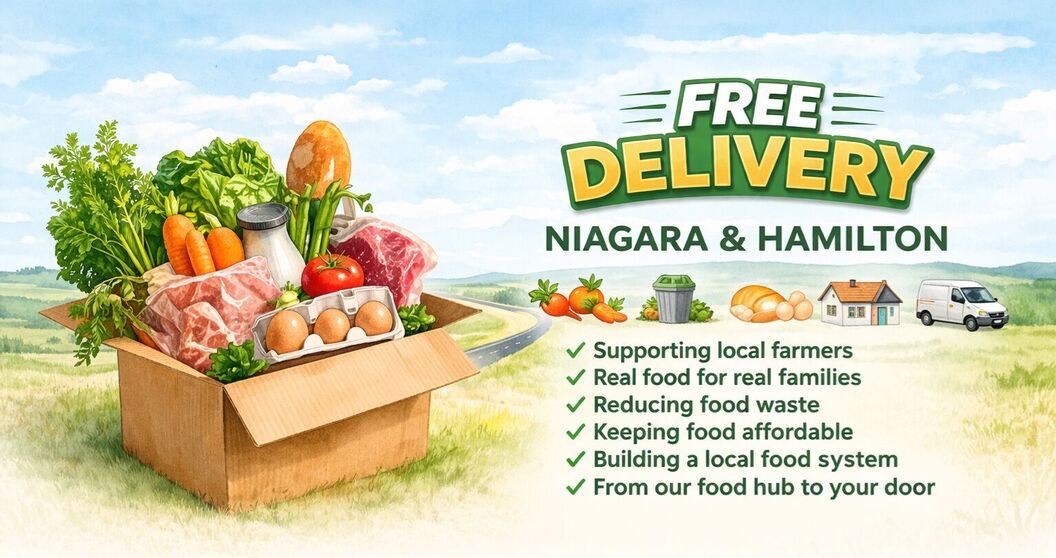
We’ve launched a new Free Local Delivery page on the website. I’m rebuilding the site one page at a time so it finally reflects what this actually is — not just a store, but a local food system. A place where food moves from farms we know, through our hub, and out to families across our region every single week. It’s taken years to build, and now it’s time for the website to catch up to what this has
become.
Check it out, and let me know what you think!
|
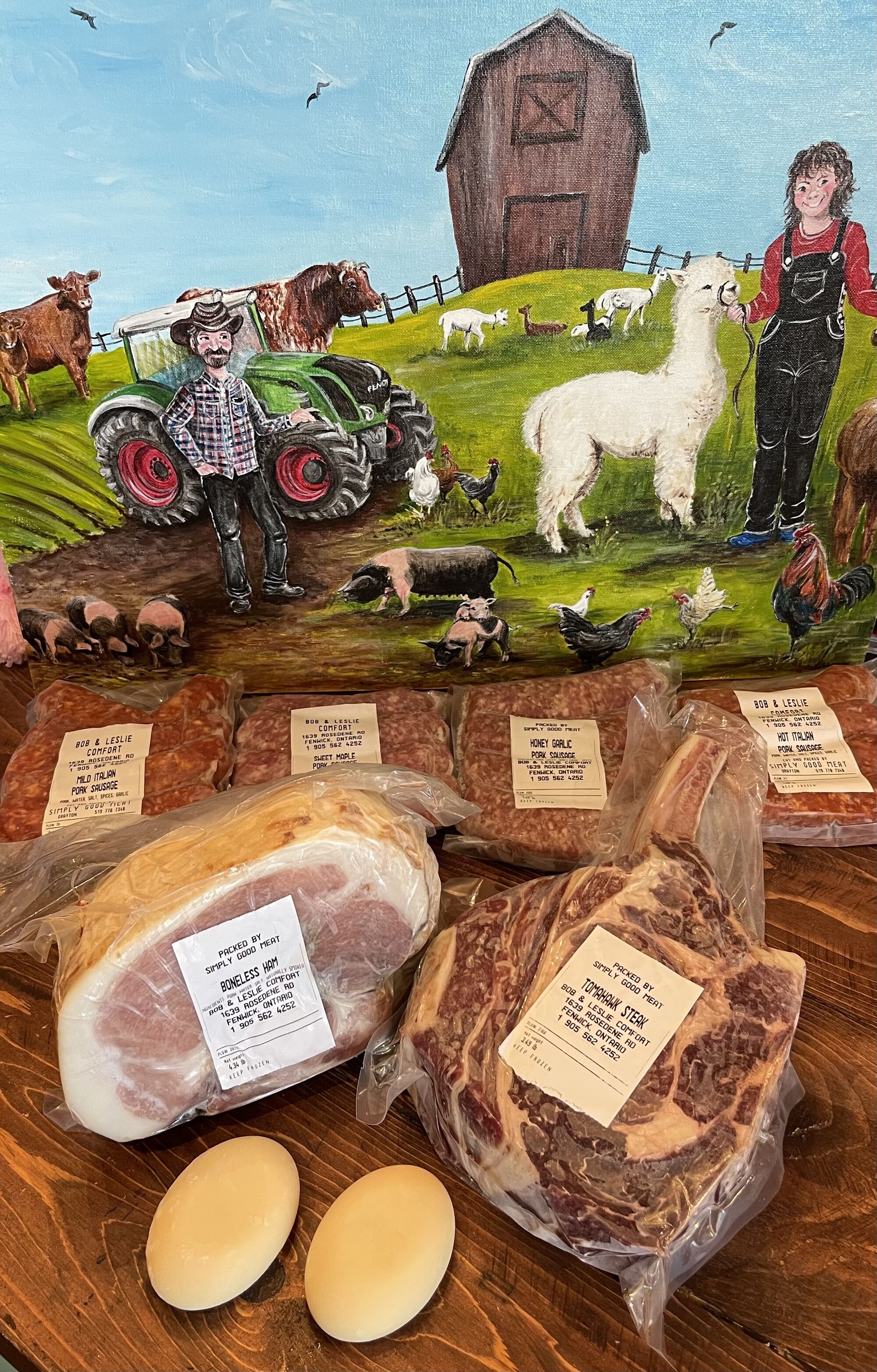
This one is a bit of a special treat for us — we’ve never had tomahawk steaks at the hub before, and we were only able to get a 7 of them. So we built a bundle around it that actually makes sense for the freezer too. Plus Leslie threw in 2 tallow soap, AND it's $42 off!
|
Our 2026, 12 Week Farm Share is now open.
This program helps farmers plan, plant, and raise food knowing there are families here committed to eating local — and it helps make sure your family has real food on the table each week.
|
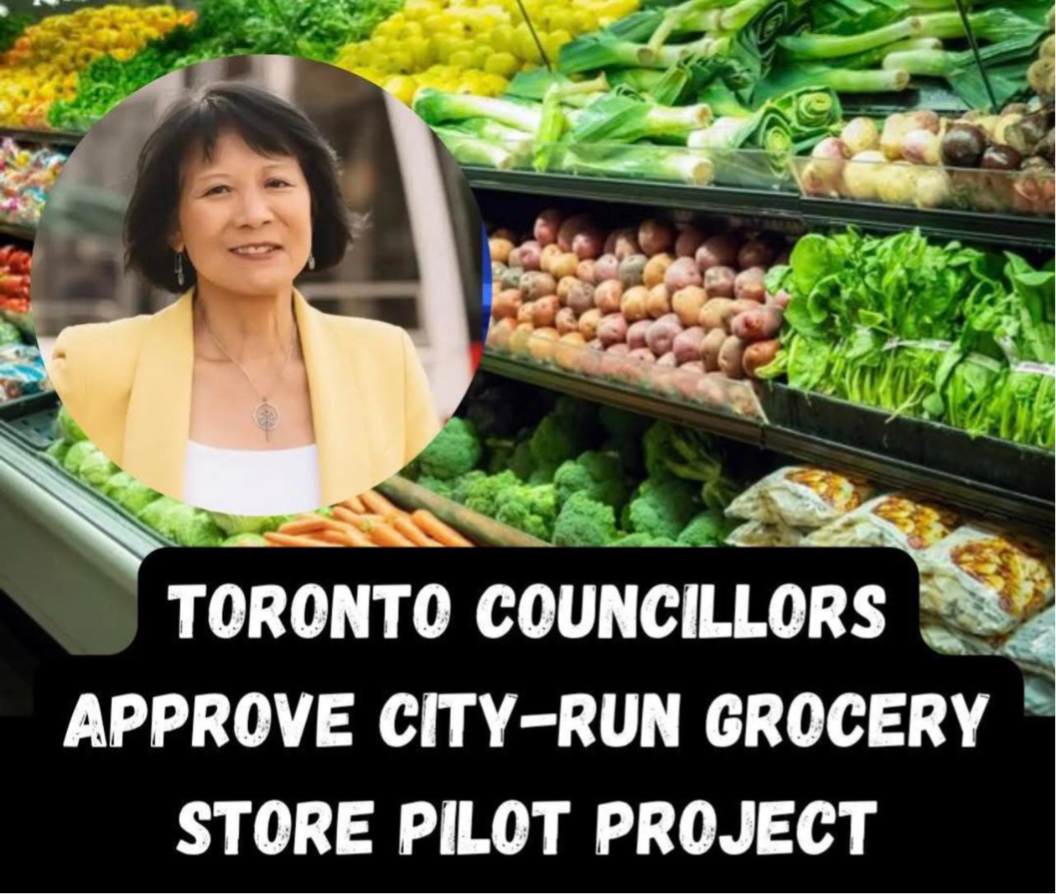
I’ve been seeing a lot of posts lately about city-run grocery stores, nonprofit grocery stores, and even what some places are calling “no-pay” or “free” grocery store and it’s getting a lot of mixed reviews — some people think it’s a great idea, some people are very against it.
But I don’t think most of the people who are in support of it actually understand the long-term ramifications of it.
And I say that because I’ve been in these conversations for a long time. I’ve worked with nonprofits on food security. I’ve worked with municipalities. I’ve sat in meetings and discussions about food insecurity, homelessness, mental health, and how communities are going to deal with the rising cost of living. I’ve been around these conversations for over a decade now, and there was a very clear point in
time where I remember thinking:
We need to be very careful, because this could backfire.
Not because people don’t need help — they do.
Not because food insecurity isn’t real — it is.
But because of how we choose to solve the problem matters.
Because these systems don’t exist outside of the economy. They exist inside the economy.
And when you change one part of an economy, you change everything.
Food Is Not Free — Someone Always Pays
When you hear terms like:
• Free food
• No-profit food
• Subsidized food
• City-run grocery stores
• Nonprofit grocery stores
It sounds like the goal is to make food cheaper.
But food already has an entire system behind it:
• Farmers grow it
• Processors process it
• Distributors move it
• Retailers sell it
Every step employs people.
Every step supports a business.
Every step pays taxes.
Every step keeps money moving in the local economy.
When you replace that system with a “no-profit” model, you don’t remove profit — you move where the profit and power go.
Large suppliers still supply that food.
Large distributors still move that food.
Large centralized buyers still decide what gets purchased and at what price.
So while it looks like a “cheap food” solution, what it often becomes is a centralized food purchasing system, and that slowly removes:
• Small grocers
• Small processors
• Small distributors
• Small farms
And once those are gone, they don’t come back.
Small Business Is Not Just A Store — Small Business IS The Economy
People sometimes think small businesses are just a nice part of a community — like they’re optional.
They are not optional.
Small businesses ARE the economy.
Small businesses:
• Employ local people
• Buy from local suppliers
• Use local accountants
• Use local mechanics
• Use local trades
• Sponsor local sports teams
• Donate to local fundraisers
• Pay local property tax
• Keep money circulating locally
When you spend money at a small business, that money moves around your community multiple times.
When you spend money in a centralized system, that money leaves your community almost immediately.
Now think about small farms specifically.
Small farms are already under pressure from:
• Land prices
• Feed costs
• Fuel costs
• Processing shortages
• Regulations built for large-scale operations
• Imported food undercutting prices
• Grocery chains controlling shelf space
And now imagine small farms trying to compete not just with grocery chains…
but with government-backed or institution-backed food stores that don’t have to make a profit and can operate at a loss.
You don’t have to be an economist to see where that goes.
The Pattern That’s Already Happening
This pattern has been predicted - by me!
1. Cost of living rises
2. People can’t afford food
3. Food banks expand
4. Nonprofits start food programs
5. Government then declares emergency
6. Government funds food programs
7. Government opens food stores
8. Centralized purchasing begins
9. Small retailers and small farms disappear
10. Food becomes centralized
And once food is centralized, whoever controls the system controls the food supply.
That should matter to everyone — regardless of politics — because food is not optional.
Why I Chose A For-Profit Social Enterprise Model
This is exactly why I made the decision I did.
I realized that if small farms and small food businesses didn’t build our own system, we would eventually be replaced by a centralized one — whether corporate or institutional.
So instead of becoming a nonprofit, I became a for-profit social enterprise.
That means:
• We still care about affordability
• We still run voucher programs
• We still support families
• We still work with community groups
• We still donate food
• We still build community programs
But we do it while staying inside the real economy.
Because the real solution is not free food.
The real solution is:
• More local farms
• More local processors
• More local food hubs
• More local distribution
• More local retail
• More people earning locally
• More money circulating locally
That’s how food becomes affordable without destroying the people who produce it.
Final Thought
Cheap food sounds good.
But cheap food that destroys your local farms, local businesses, and local economy is not cheap food.
It’s just food with a hidden cost.
And that hidden cost shows up later as:
• Lost jobs
• Empty main streets
• Fewer farms
• More dependence
• Less local control
• Communities that can no longer feed themselves
This isn’t just about food.
It’s about whether our communities will still be able to feed themselves in the future — or whether we become completely dependent on systems we don’t control.
|
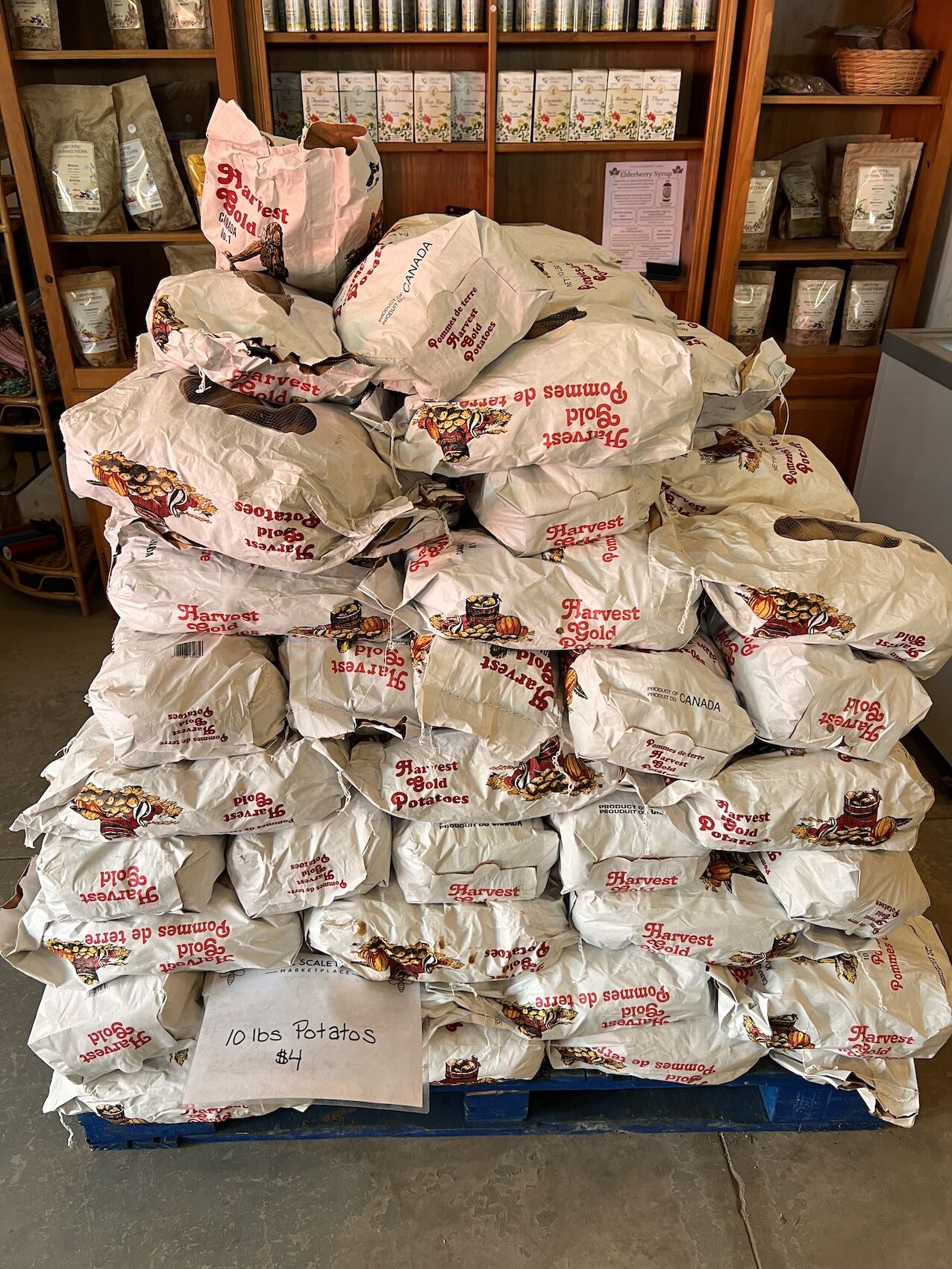
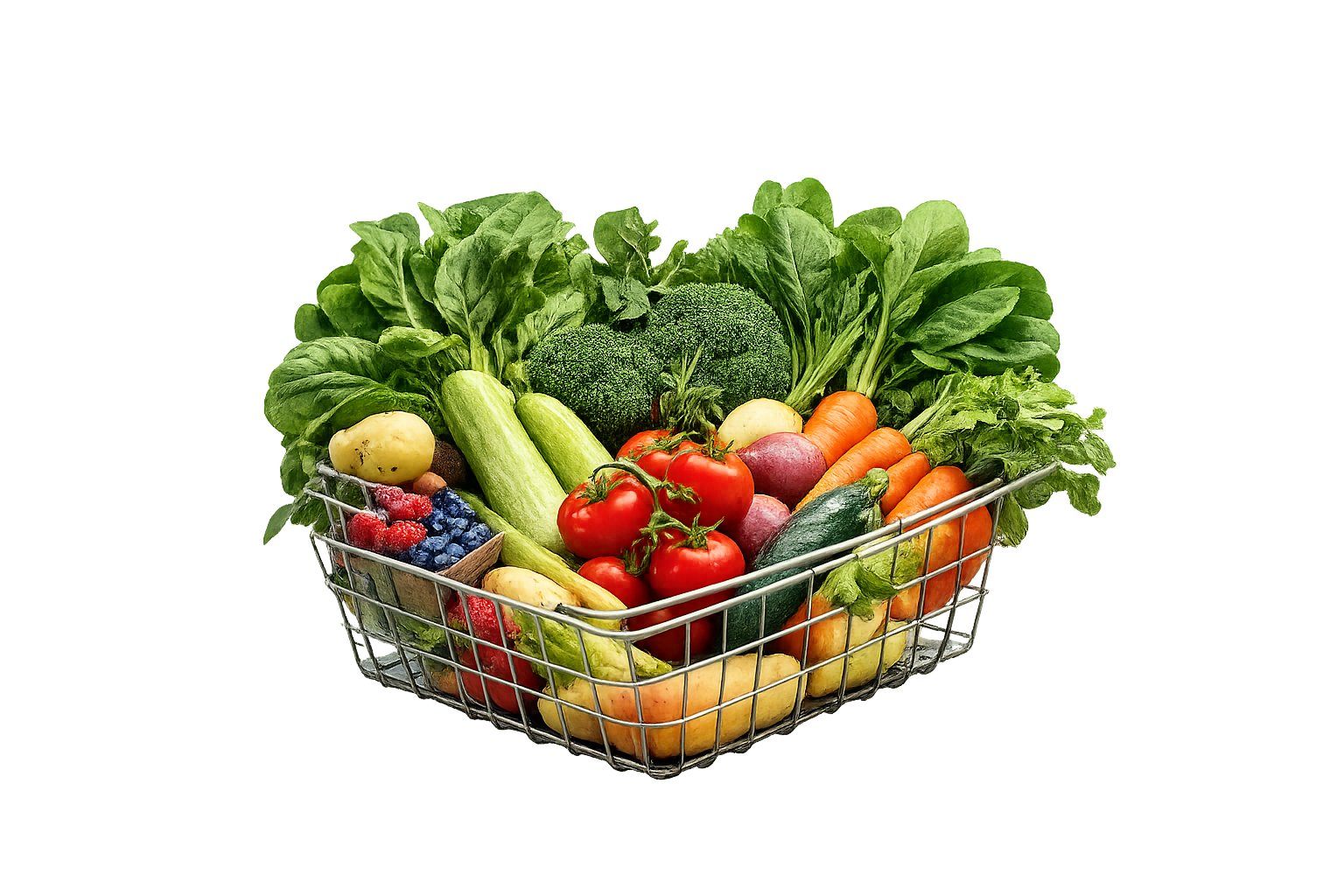
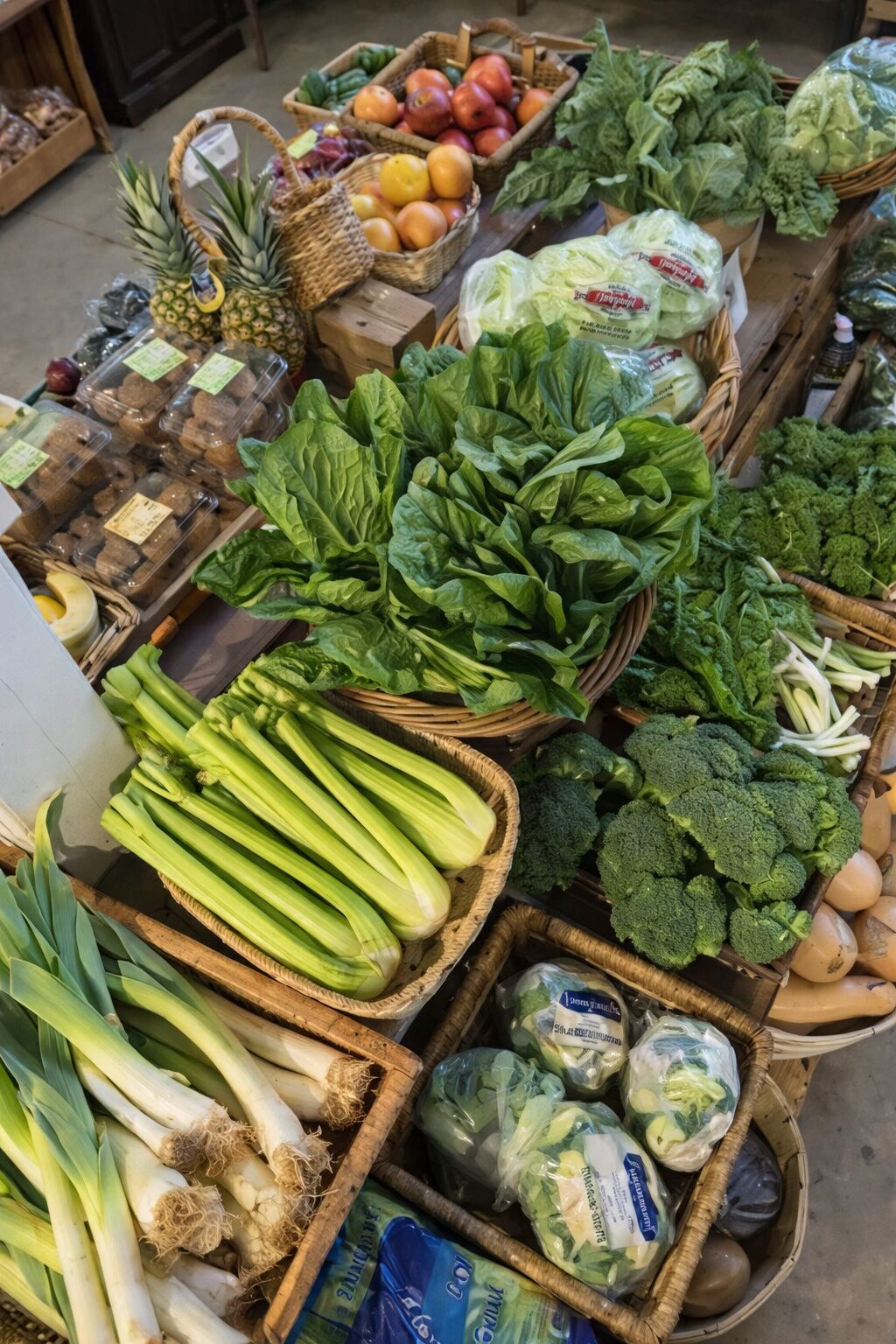
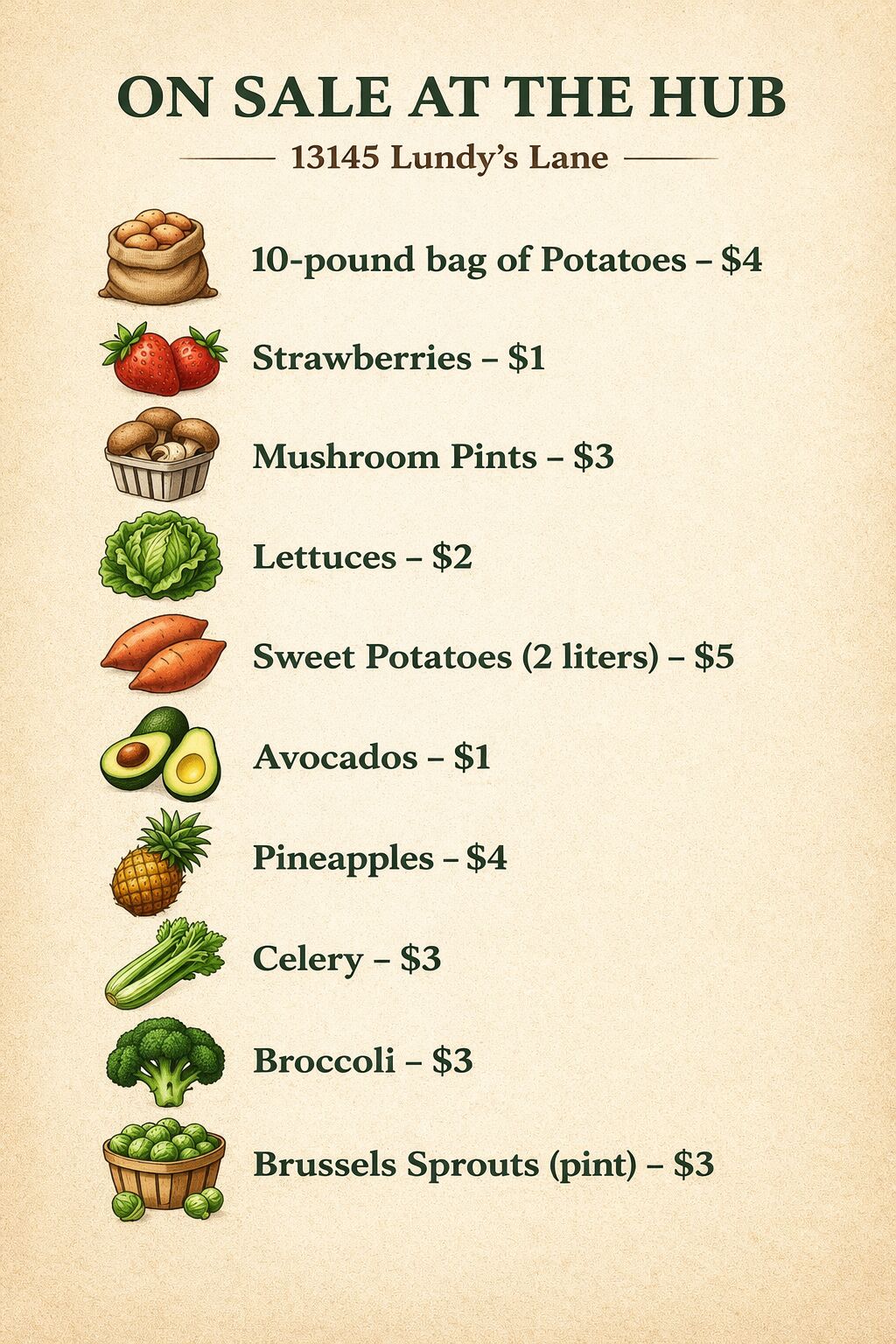
One of the easiest ways to shop here is our pick & pack line. Grab a half bushel basket for $30 and fill it yourself with whatever you’ll actually use.
We’ve got another load coming in from Simcoe today too, so we’re making room, moving product, and putting a lot of items on sale.
|
Everyone is welcome. Monday to Friday 9-5pm, Saturday's 9-4pm and Sunday's 10-4pm. 13145 Lundy's Lane
|
|
|
|
This email was sent because you've subscribed on our site or made a purchase.
|
|
|
|
|
|
|
|