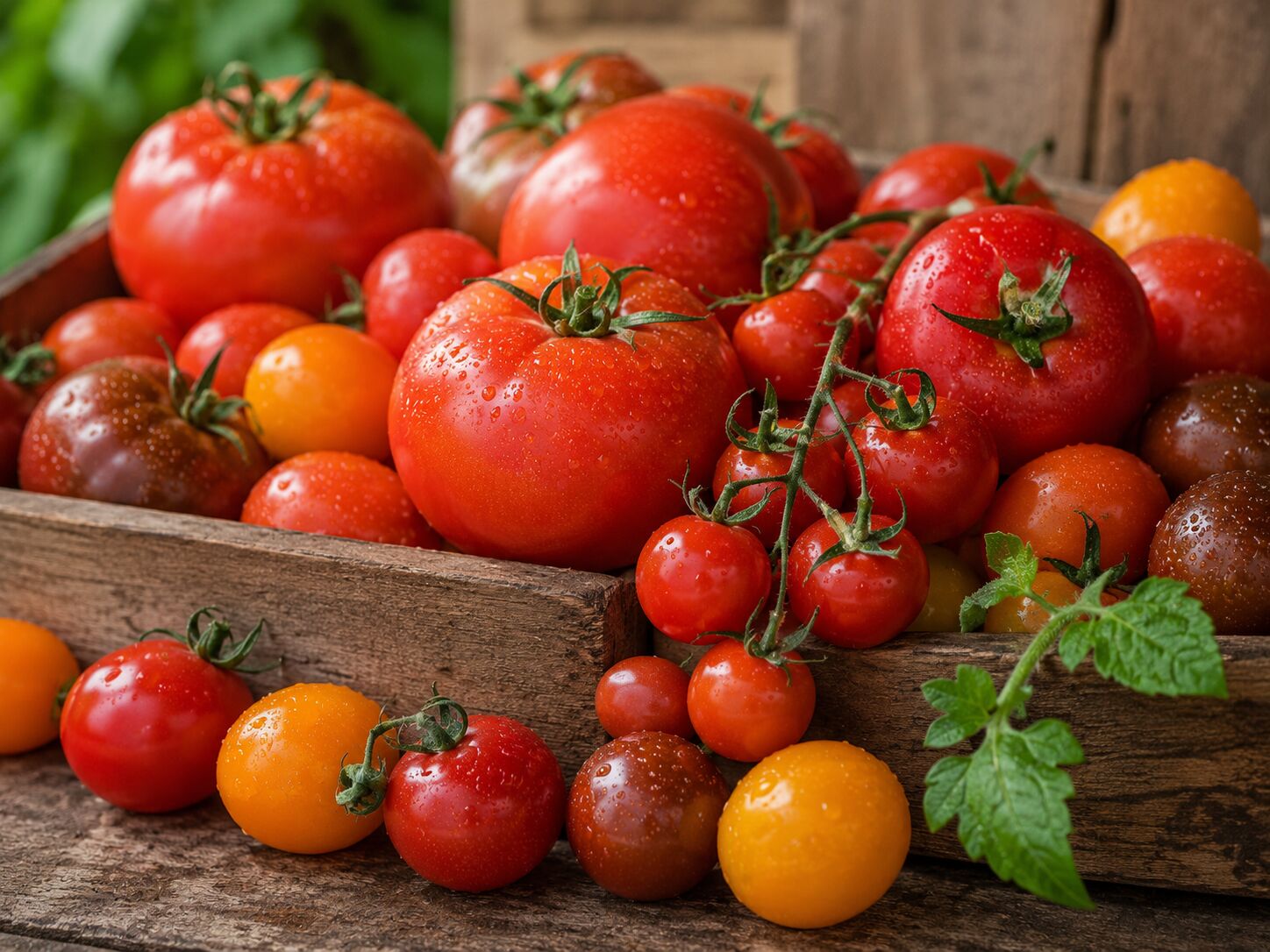
Why are tomatoes so expensive right now? What’s happening with tomatoes right now is actually a really good example of how disconnected people have become from food systems. Most people assume:
“Leamington has massive greenhouses, they should be cheap.”
“Ontario grows tomatoes year-round.”
So why are tomatoes still expensive in April and May? But greenhouse tomatoes are not the same thing as “cheap unlimited tomatoes.” The reality is greenhouse tomatoes are tied into a massive commodity-style market now. A lot of Ontario greenhouse production, especially out of Leamington, is built around North American distribution systems, contracts, energy costs, labour costs, export markets, and wholesale pricing. And yes — Leamington is absolutely the centre of it. It’s basically the greenhouse capital of North America. Thousands of acres under glass. Tomatoes, peppers, cucumbers. Some of the major greenhouse growers include: And Niagara absolutely has greenhouse production too, although historically Niagara has been heavier in flowers, nursery crops, and mixed horticulture compared to Essex/Leamington’s giant vegetable greenhouse concentration.
What’s important to understand though is this: Greenhouse tomatoes even in April and May are still expensive because: - heating costs are enormous through winter and early spring
- natural gas and electricity costs are high
- supplemental lighting costs money
- labor costs increased
- packaging and transportation increased
- greenhouse operations are carrying debt on extremely expensive infrastructure
- the market price is set continent-wide, not locally
So even if the tomato was grown in Ontario, the price is still influenced by: - Mexico
- Florida
- U.S. demand
- fuel
- weather events
- disease pressure
- commodity shortages
This year especially, tomato prices jumped because there were production issues in both Florida and Mexico at the same time. So Ontario greenhouse growers suddenly become part of a shortage market. That means:
If tomatoes are short across North America, Ontario growers are not going to sell tomatoes “cheap because they’re local.” They’re going to receive the market price. That’s the part people don’t fully understand about food systems anymore. “Local” does not automatically mean disconnected from global commodity pricing. A greenhouse tomato in Leamington can literally be priced against tomatoes moving through Mexico and the U.S. distribution system on the same day. And greenhouse tomatoes themselves are incredibly capital-intensive. People picture a greenhouse and think:
“Sunlight and water.” But modern greenhouse production is: - climate computers
- irrigation systems
- biological controls
- CO₂ injection
- labor teams
- packaging lines
- artificial lighting
- massive heating systems
- year-round logistics
It’s industrial agriculture under glass. And honestly, one of the reasons prices feel shocking to people right now is because food was artificially cheap for a very long time. North America built a food system around: - cheap fuel
- global imports
- scale
- temporary labour structures
- centralized distribution
- low-margin grocery wars
Now all the cracks are showing at once.
The interesting conversation is actually:
Why do we expect fresh tomatoes in April in Canada to be cheap at all? That’s probably the bigger philosophical question underneath this whole thing. Because historically, tomatoes were seasonal. Now consumers expect perfect tomatoes 12 months a year regardless of climate, and the system required to make that happen is enormous...
|