The Small Scale Farms Ecosystem
Small Scale Farms is becoming an ecosystem built around a simple idea:
We already have more resources around us than we realize. The challenge is connecting people, food, knowledge, work, community investment and resources in better ways.
Each part has a different job, but they’re designed to work together.
FOOD HUB
Keeps food moving.
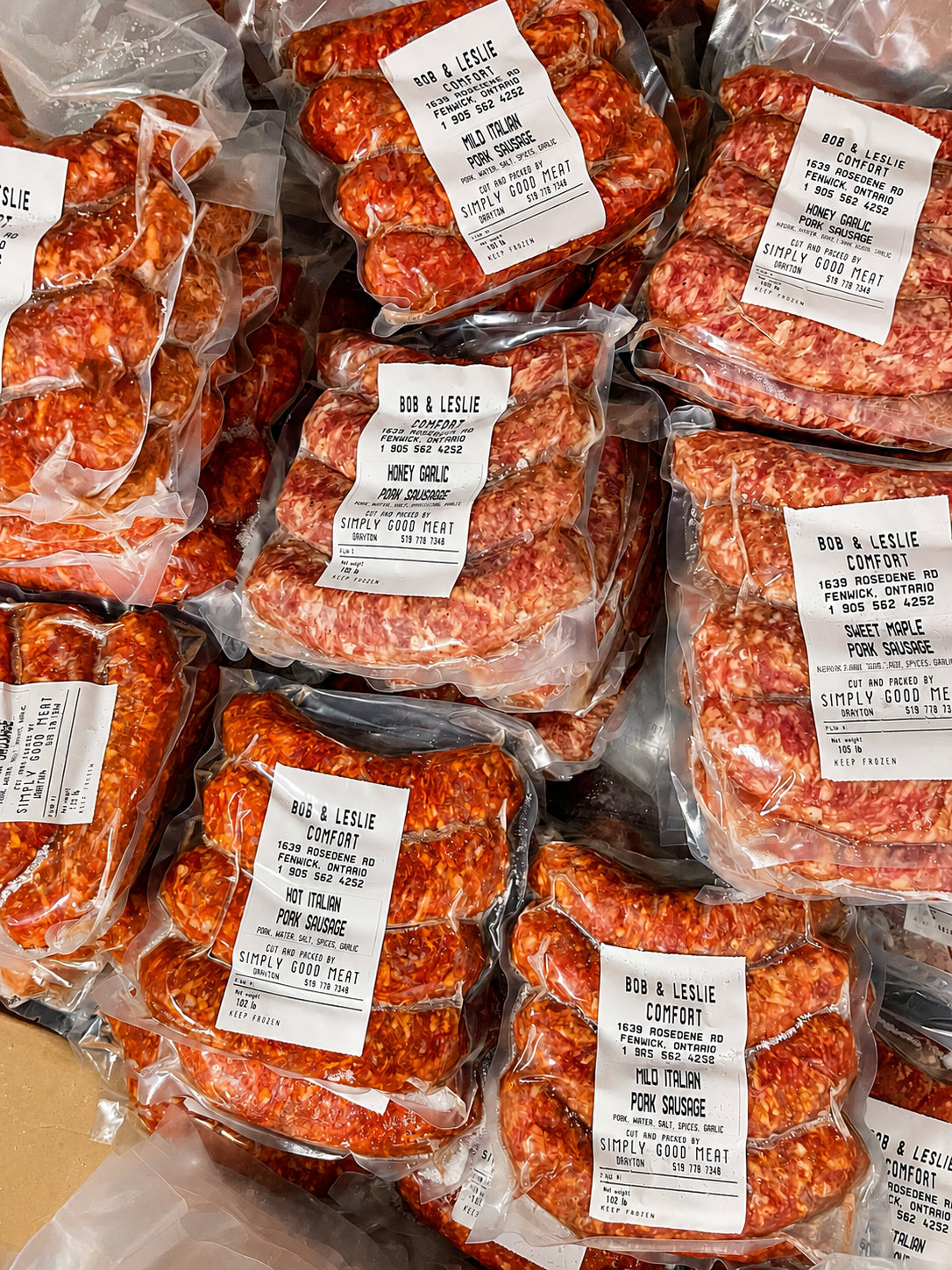
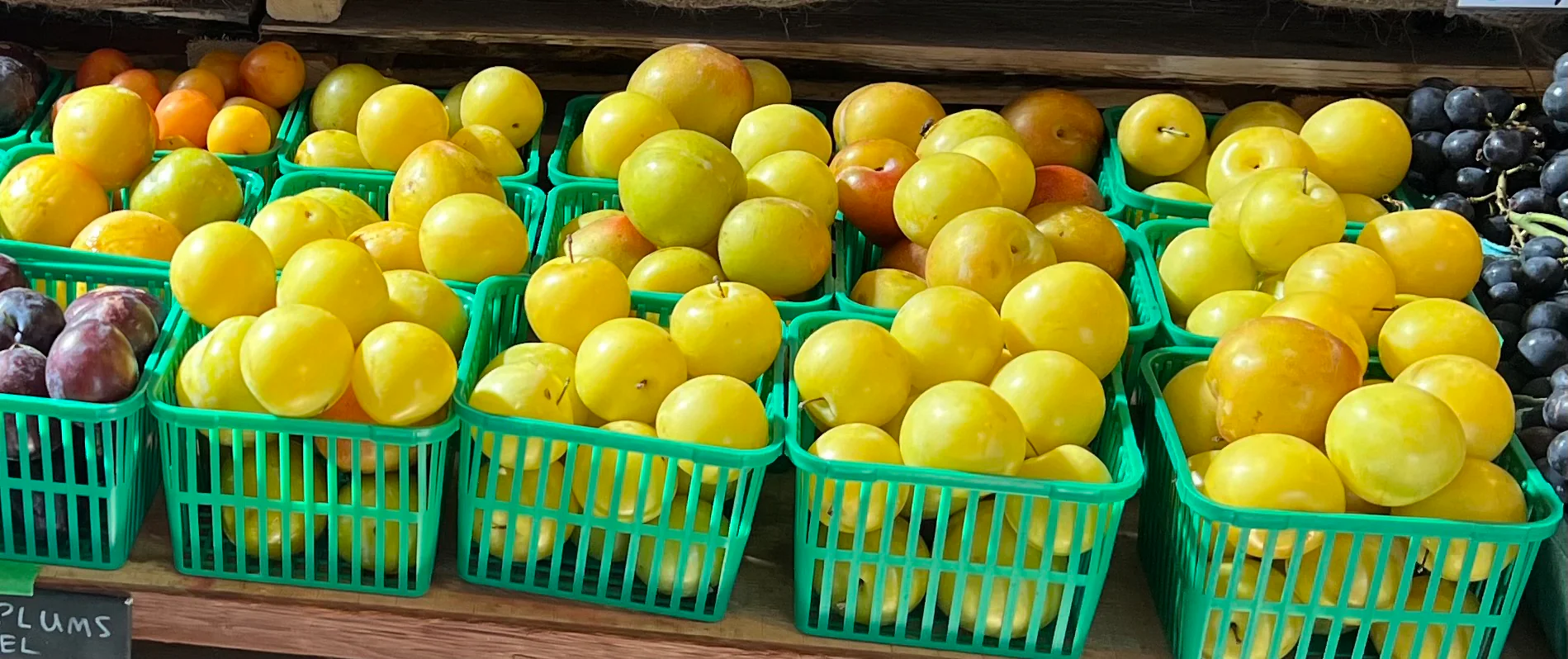
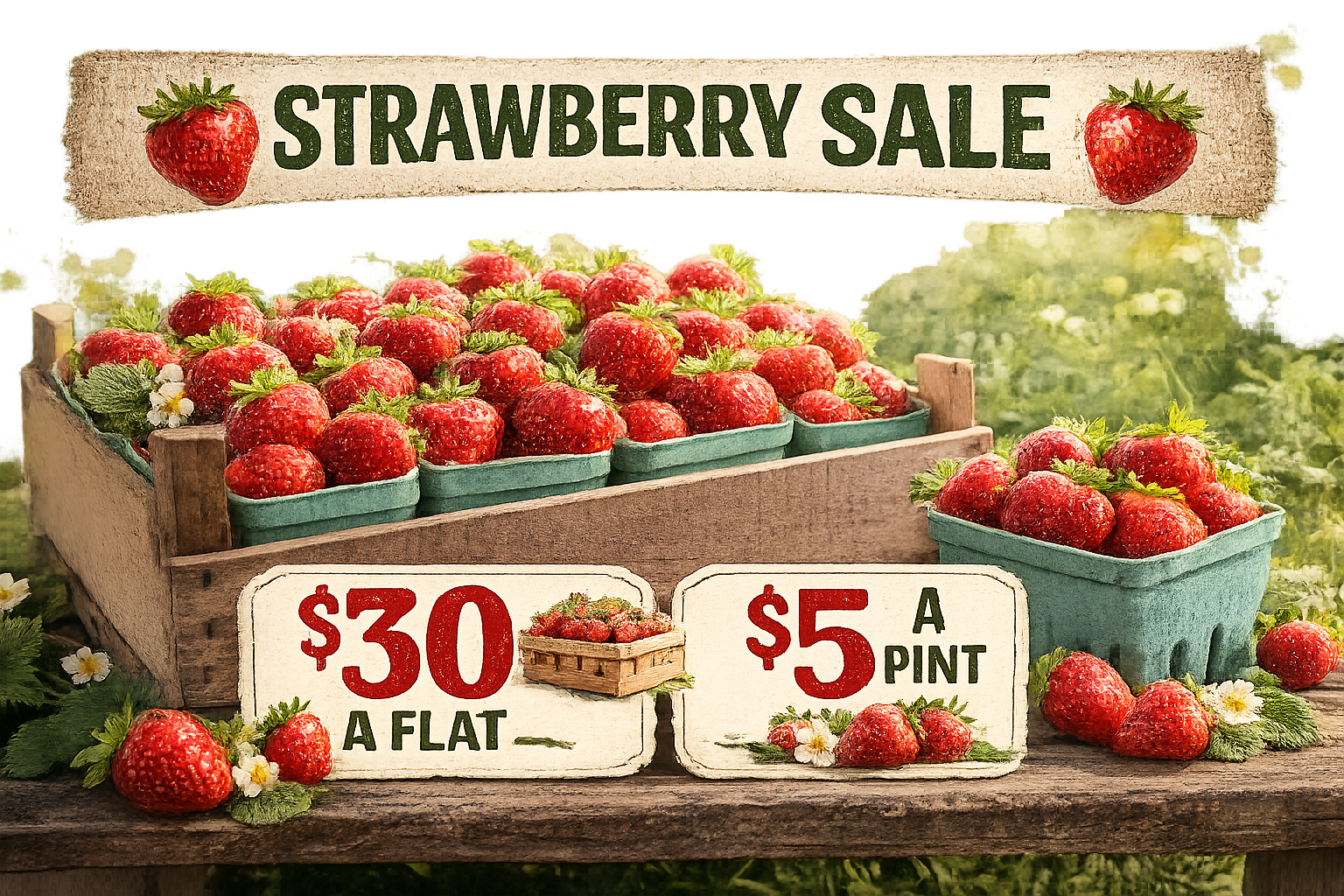
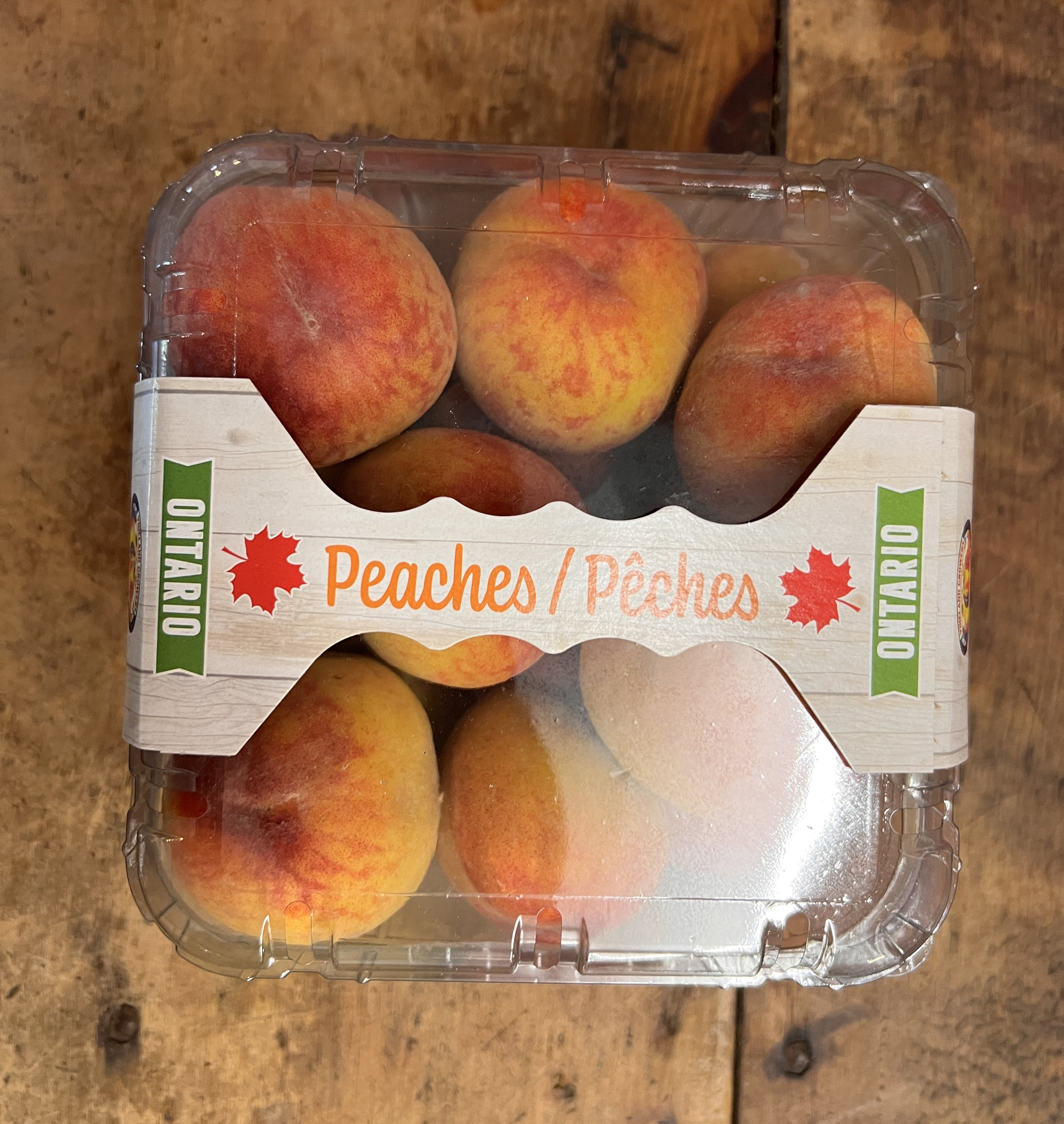
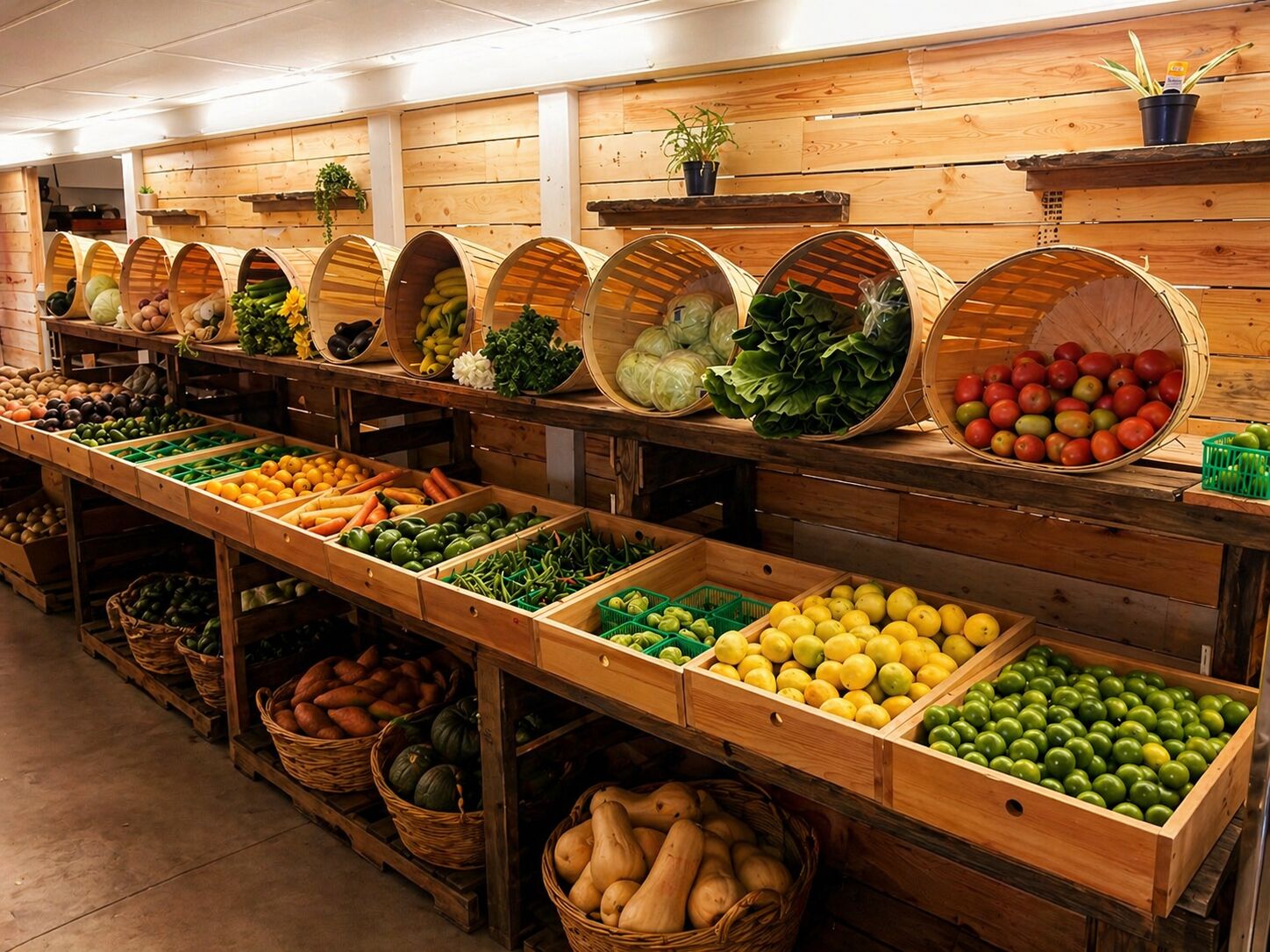
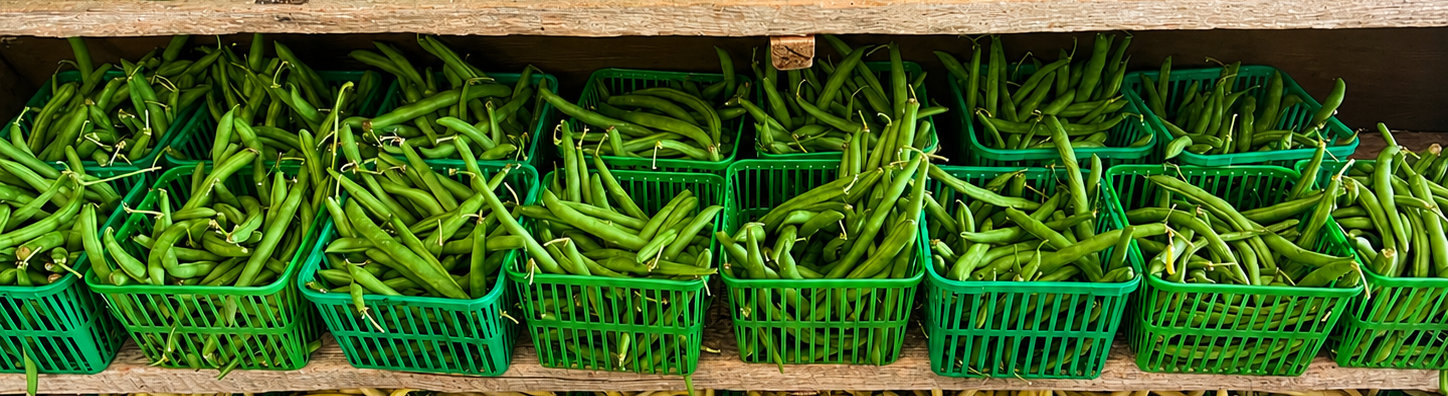
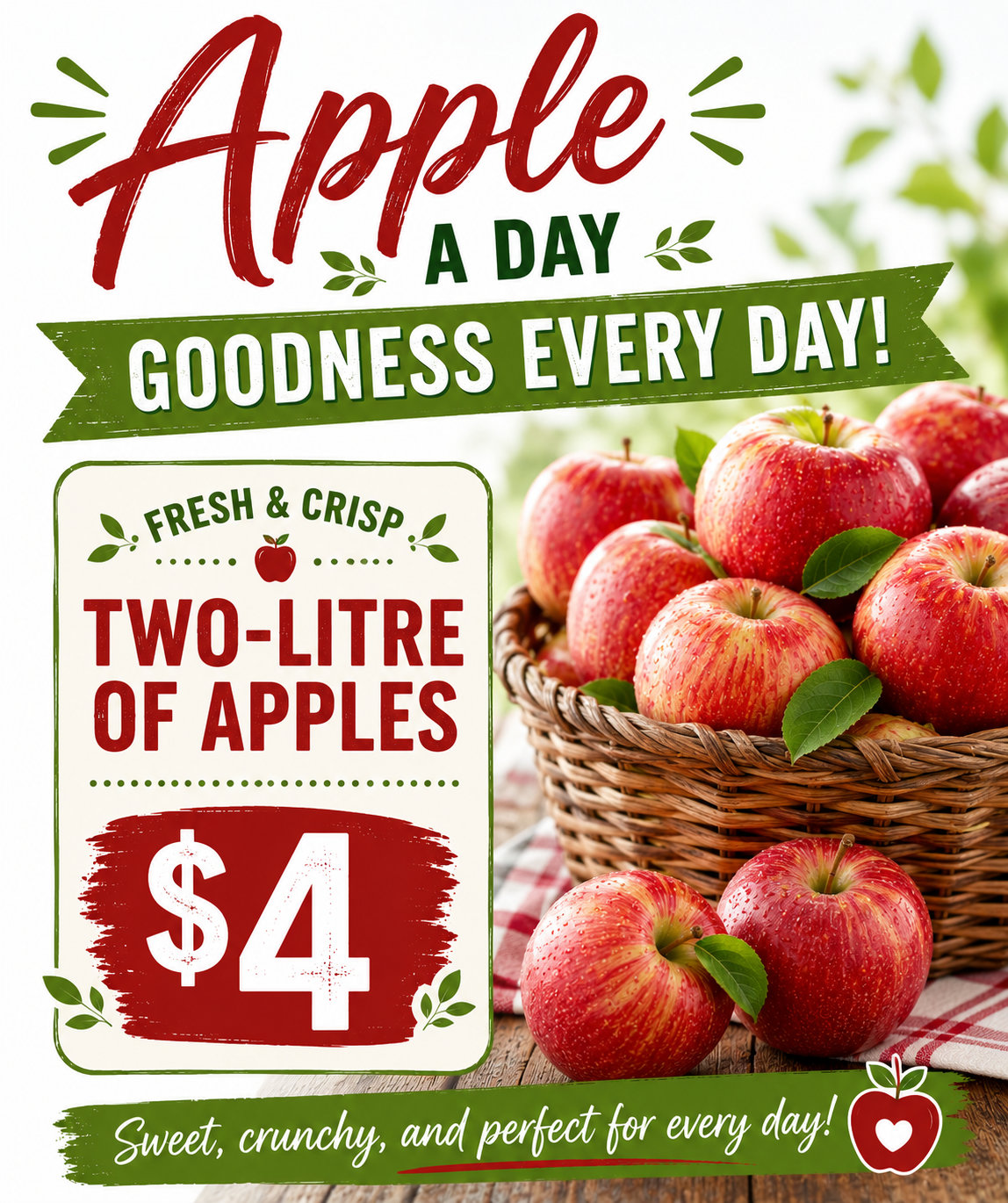
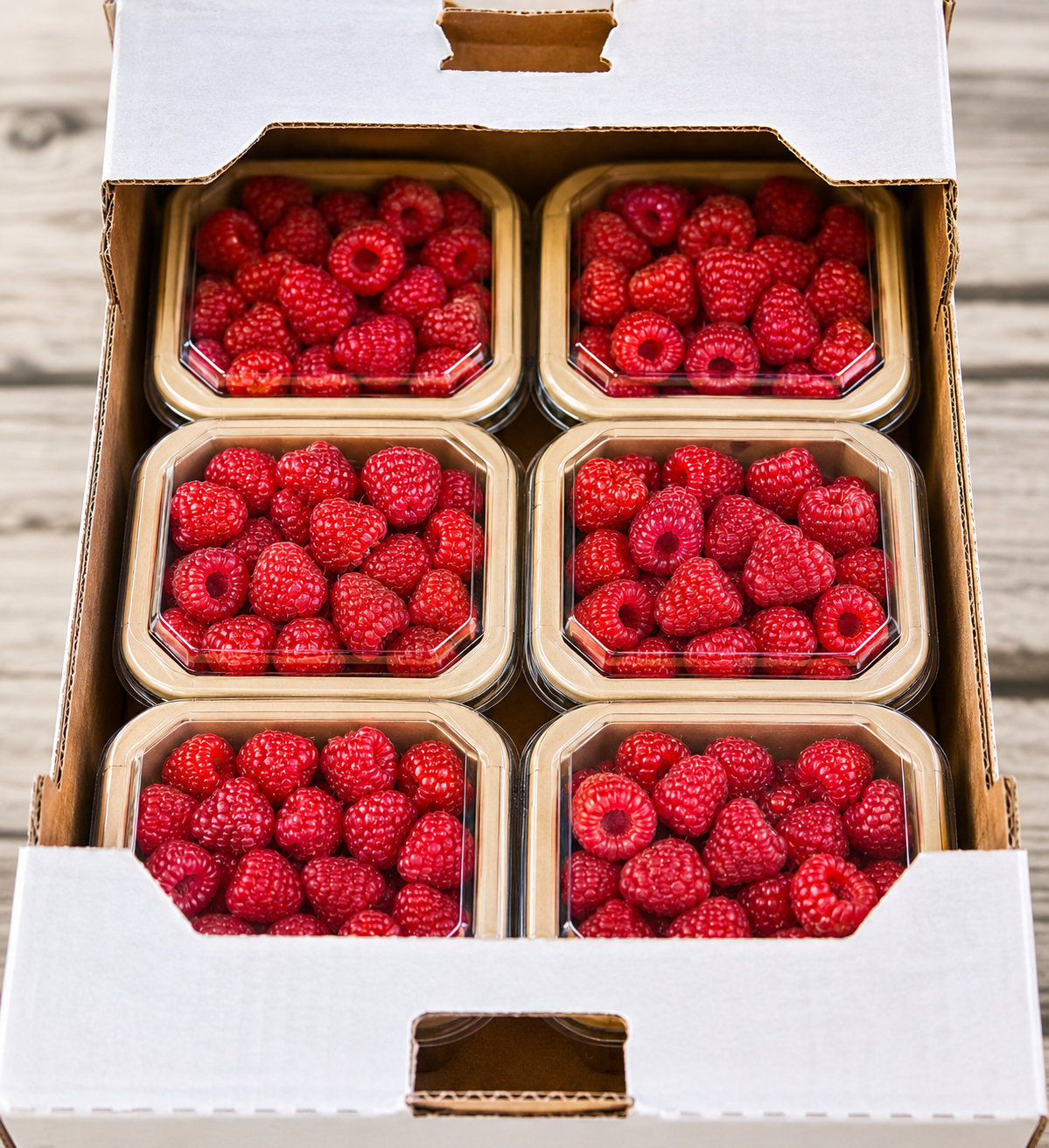
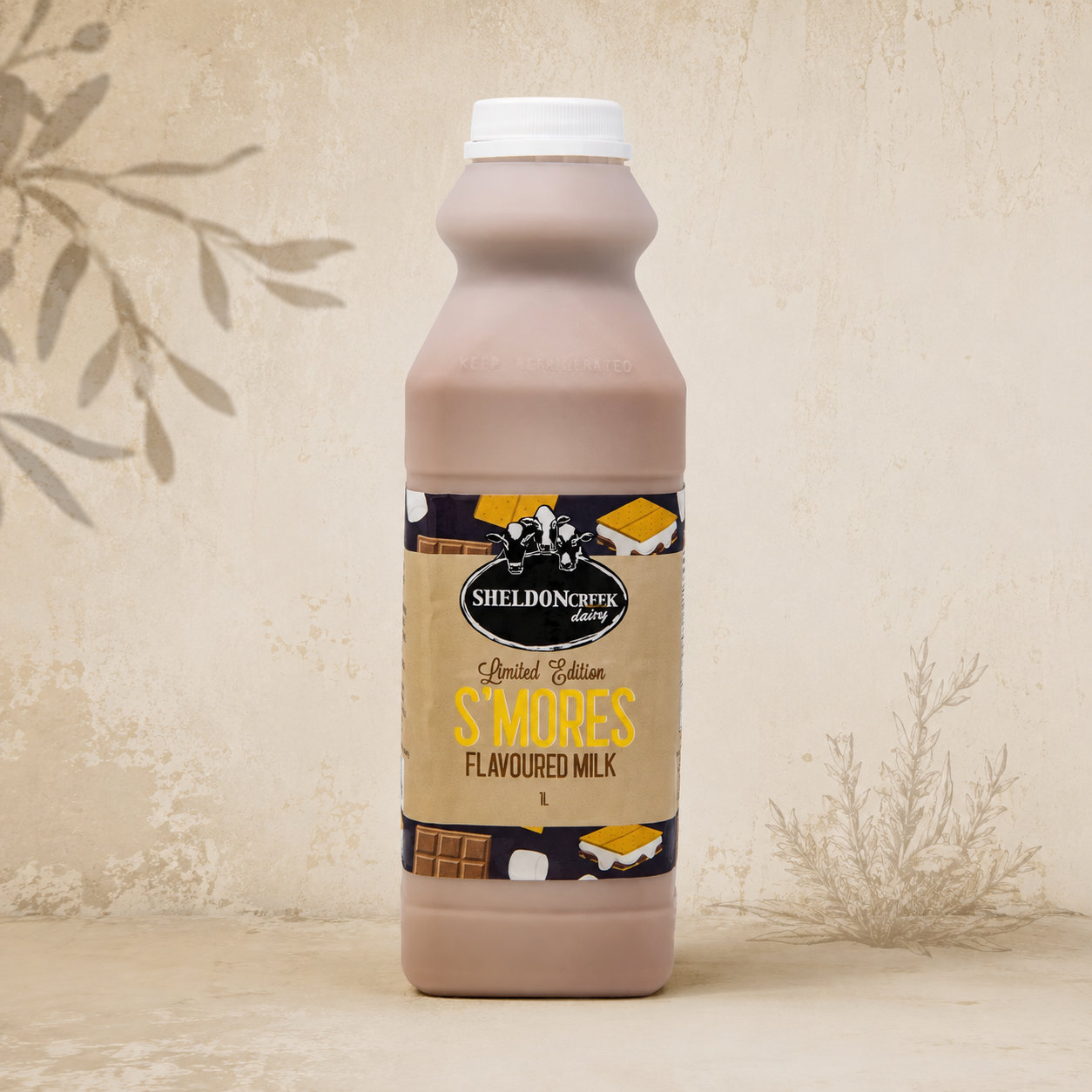
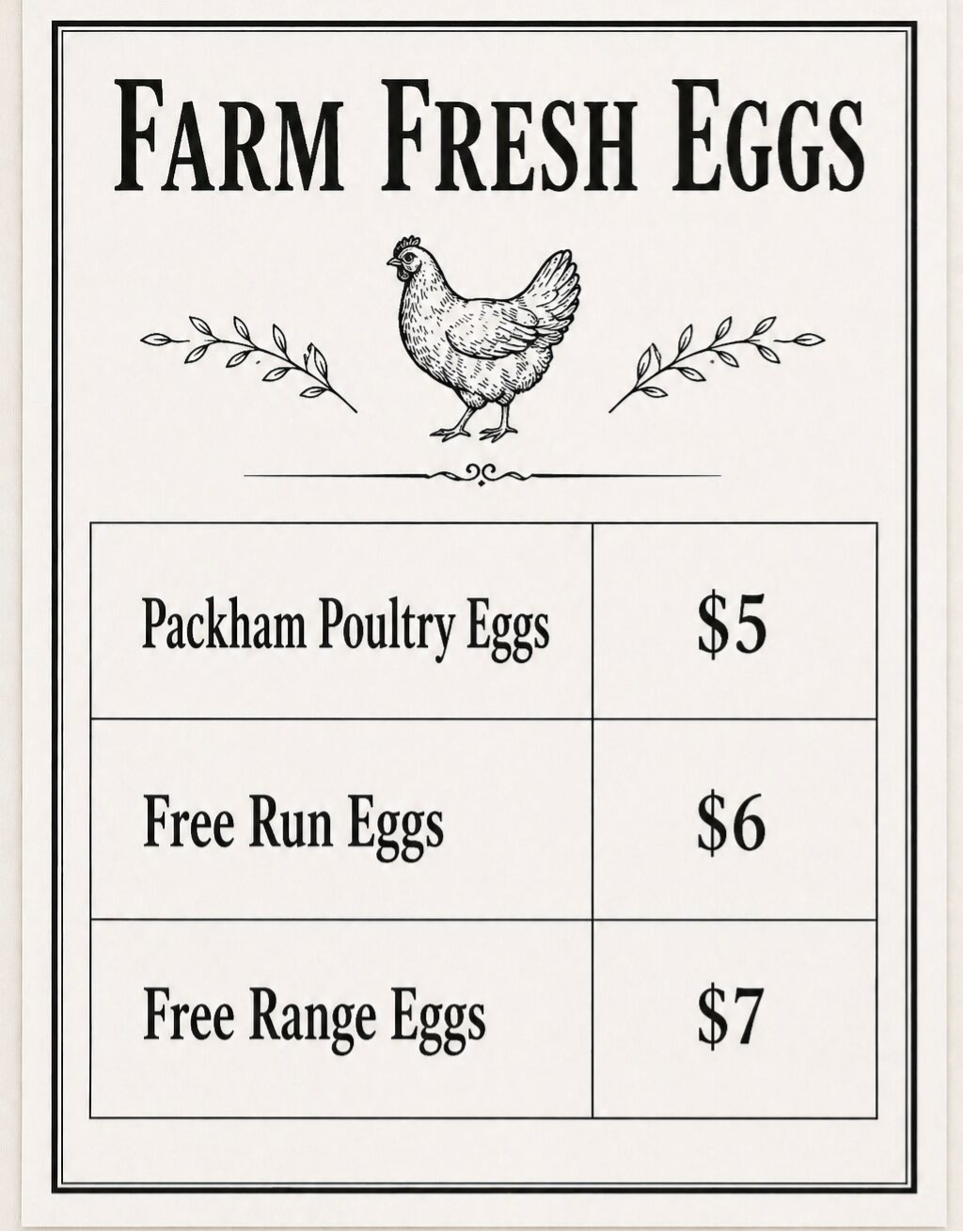
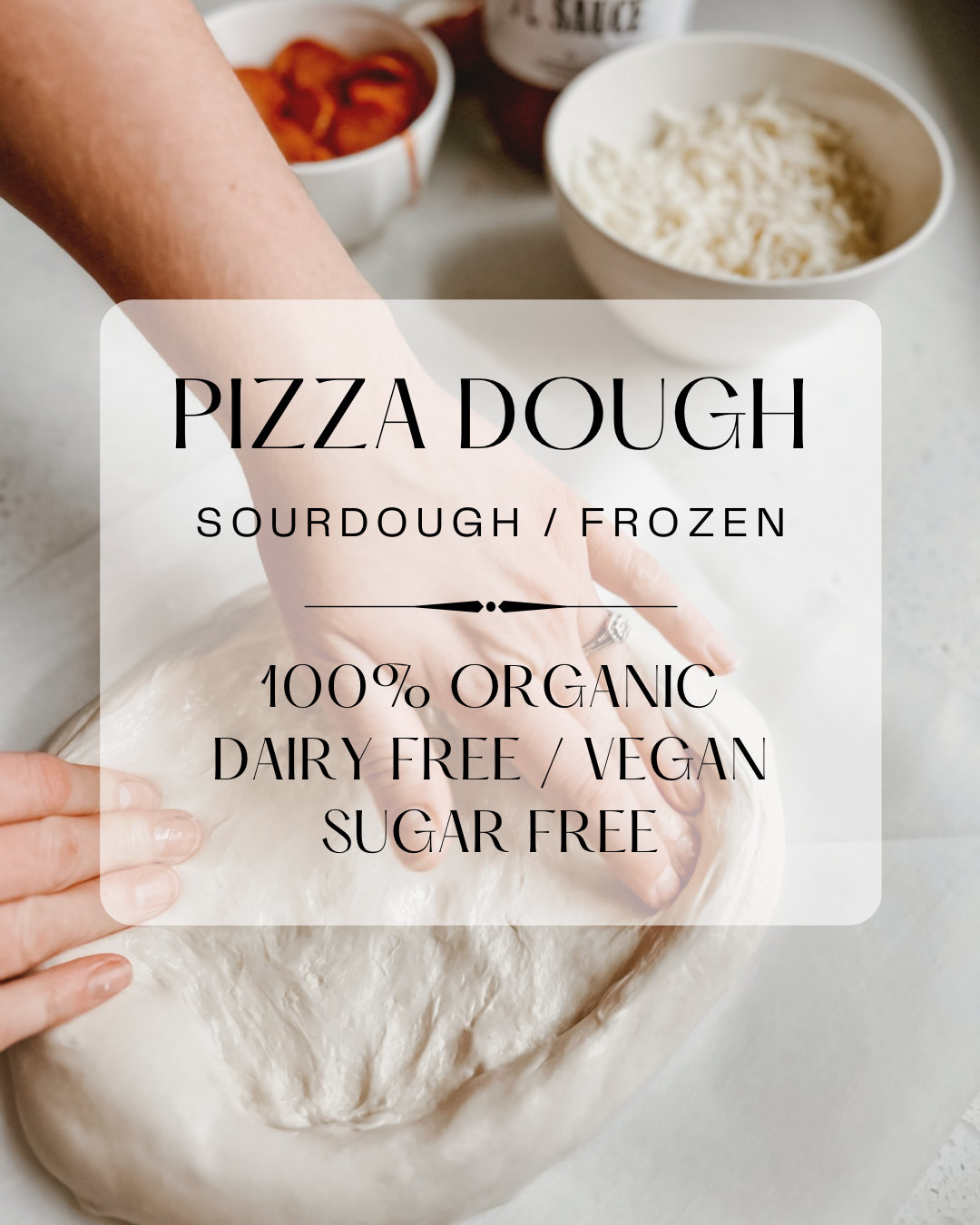
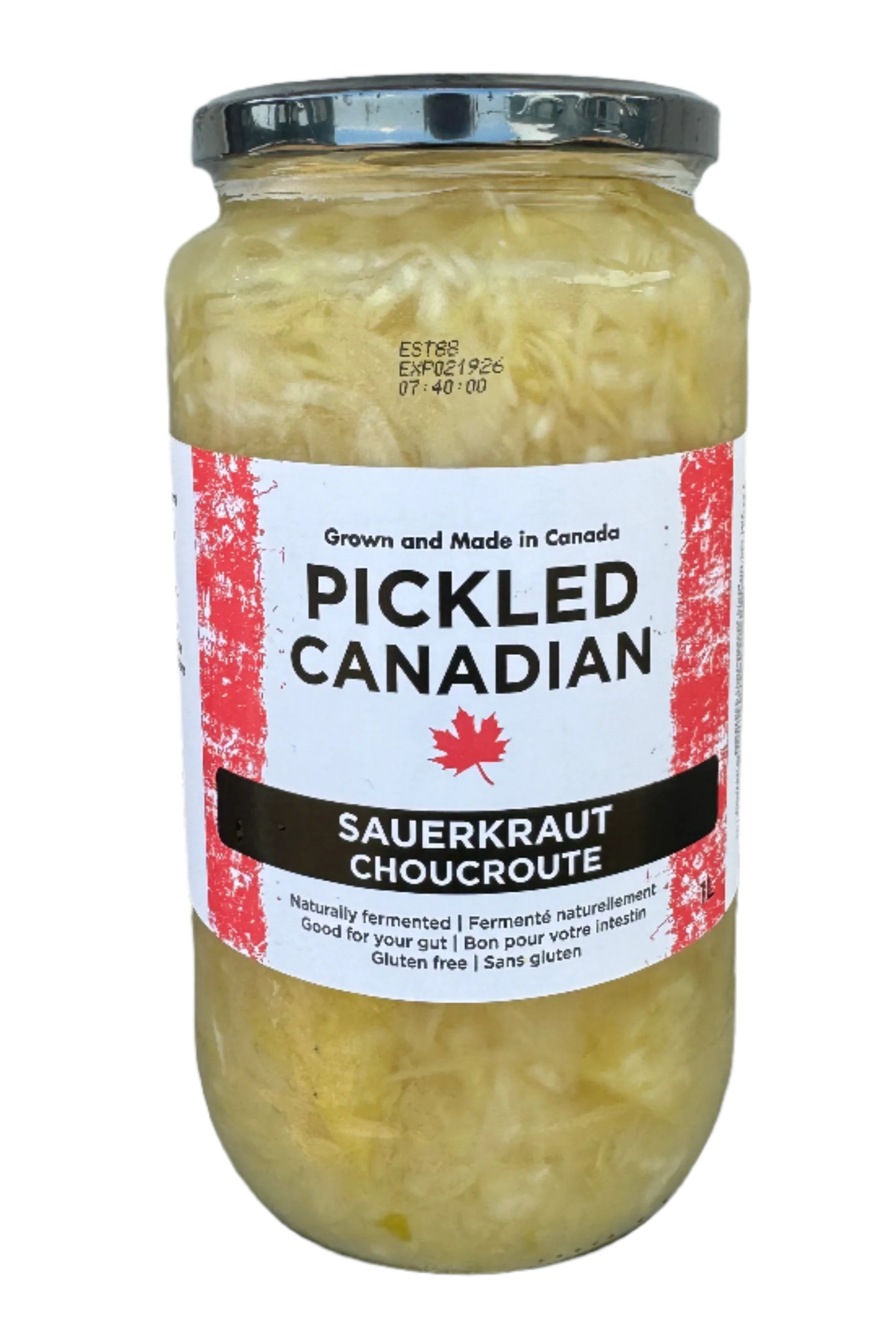
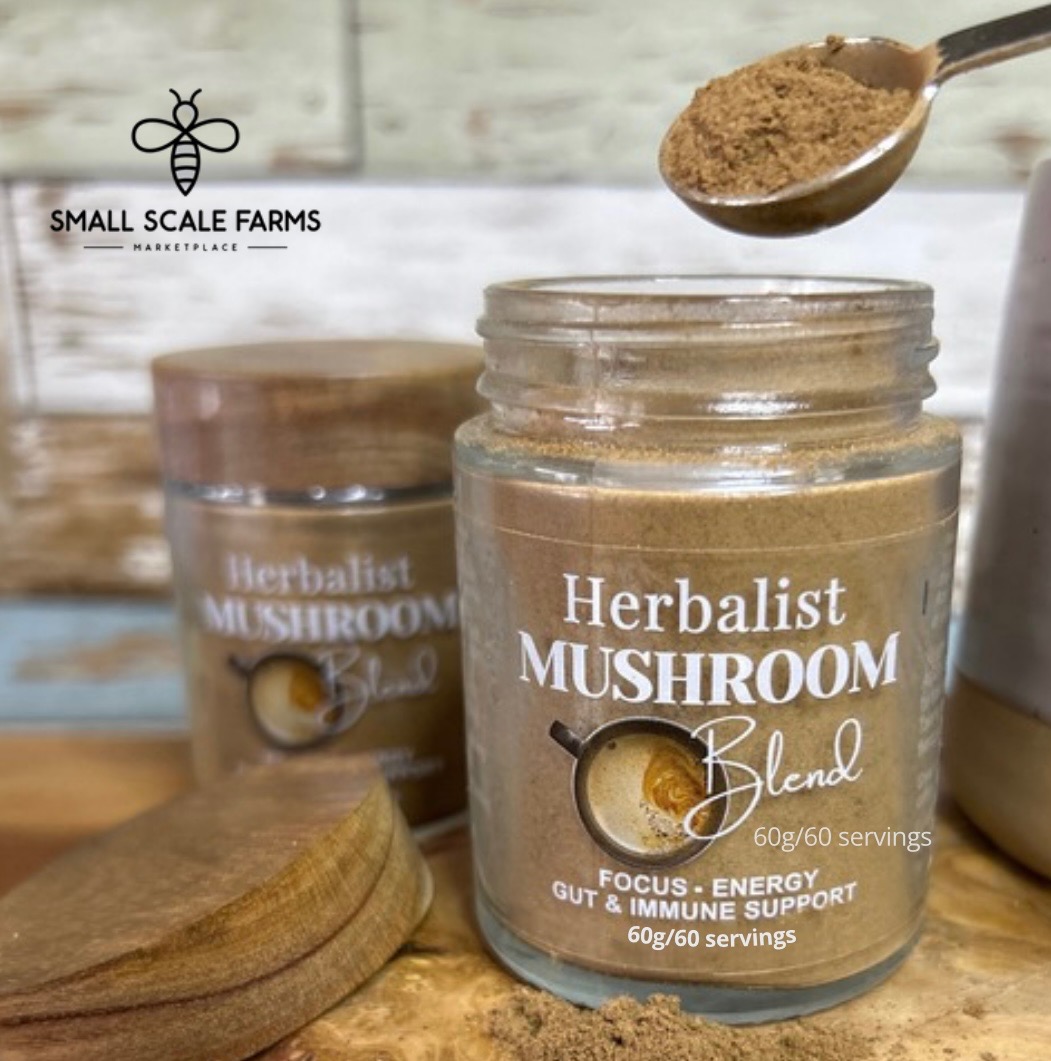
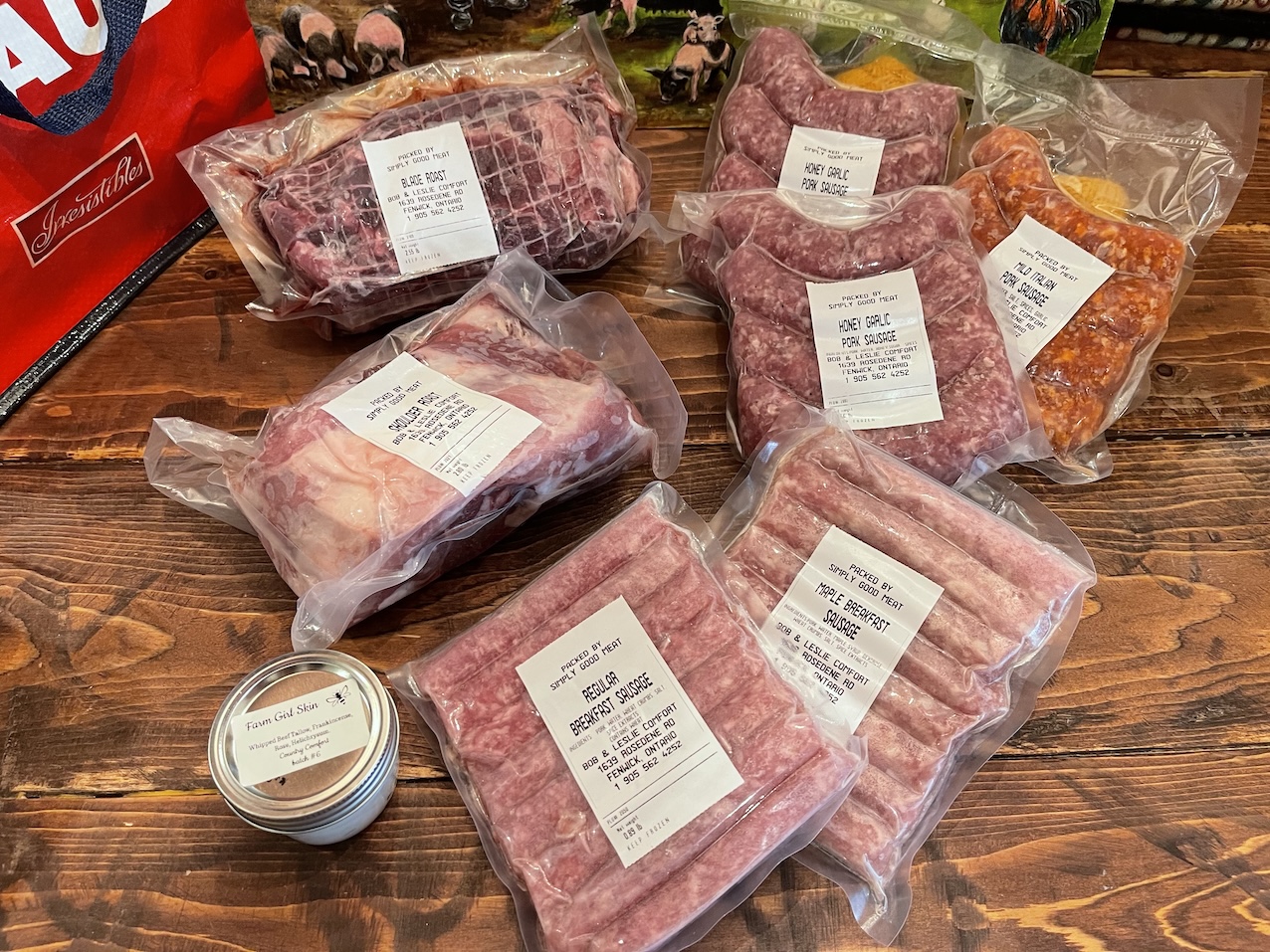
The Food Hub creates another pathway between farmers, producers, suppliers and households. It’s where local food can be sold, surplus redirected and rescued food made accessible outside the conventional grocery system.
The bigger vision isn’t one giant centralized operation. Food Hubs could eventually exist in other communities as independently owned, locally operated hubs connected through the larger ecosystem — creating both local food infrastructure and opportunities for entrepreneurship.
FOOD RESCUE
Captures food value before it’s lost.
Perishable food has an incredibly short window. Something can be worth full price one day and considered waste shortly afterward — even though it’s still perfectly usable food.
Food Rescue creates another option: redirect it, drastically reduce the price and find a productive use for what can no longer be sold.
Good food shouldn’t become garbage simply because the traditional system has run out of time to sell it.
RED MAPLE FARM SCHOOL
Builds knowledge and practical skills.
Access to resources is one part of resilience. Knowing what to do with them is another.
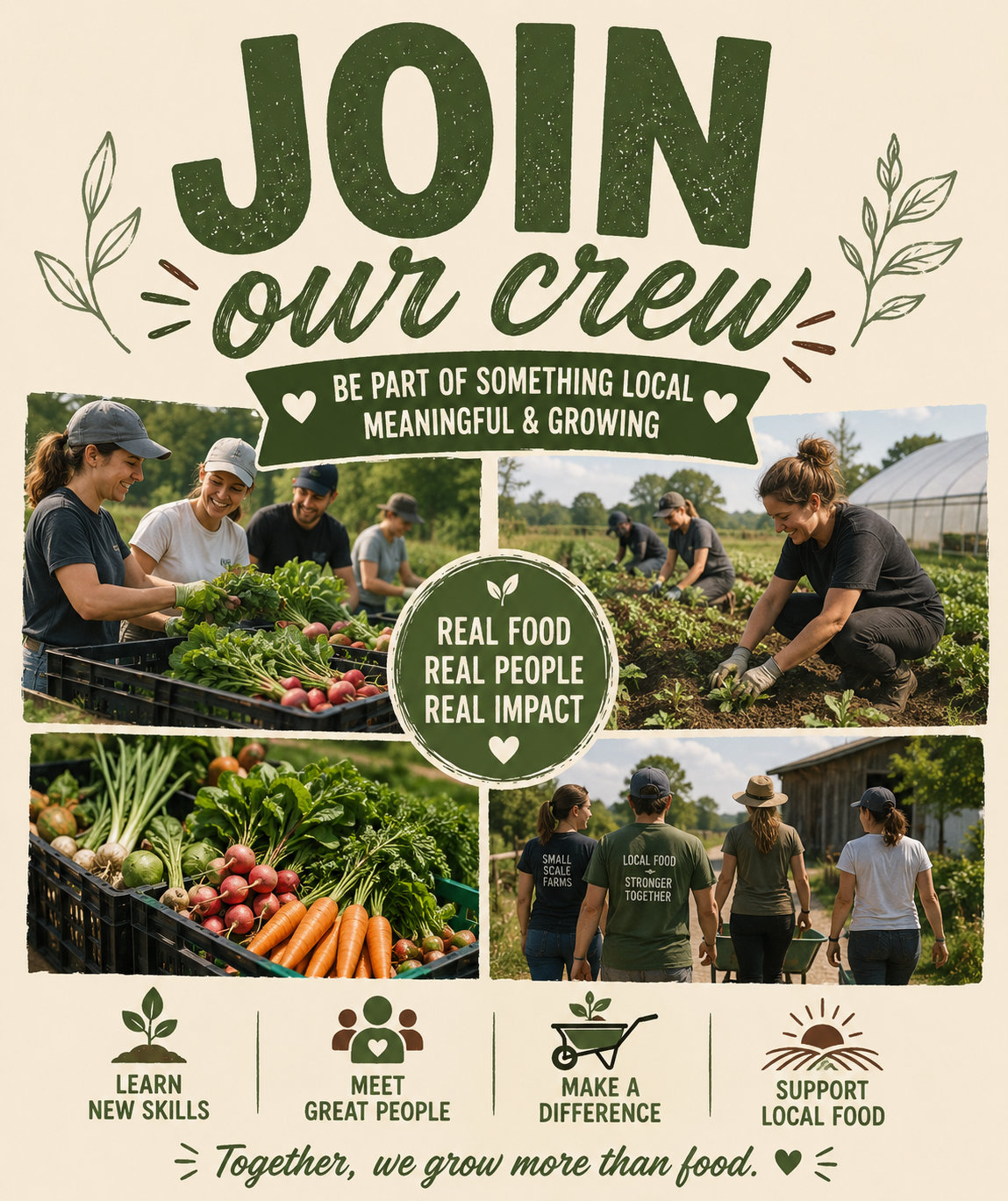
Red Maple Farm School teaches hands-on skills like growing and preserving food, working with animals, understanding bees, medicinal plants and homesteading.
You can buy food. You can learn. You can volunteer. You can participate. And eventually, you can help build.
Resilience isn’t only about what you can afford to buy. It’s about what you know how to do.
FARM CREDITS
Turns participation into purchasing power.
Farm Credits recognize that money isn’t the only thing people have to contribute.
People can contribute time, complete meaningful work and participate in programs to earn credits that circulate back toward food, education and other resources.
Time → Contribution → Farm Credits → Food, Skills & Resources
GIVE TO GROW
Turns everyday purchasing into community support.
Instead of another traditional fundraiser, Give to Grow allows people to purchase things they already need while directing a portion of that economic activity back toward their school, team or community organization.
People need groceries anyway. Why not make those dollars do more?
THE VOUCHER PROGRAM
Turns corporate and community dollars directly into food.
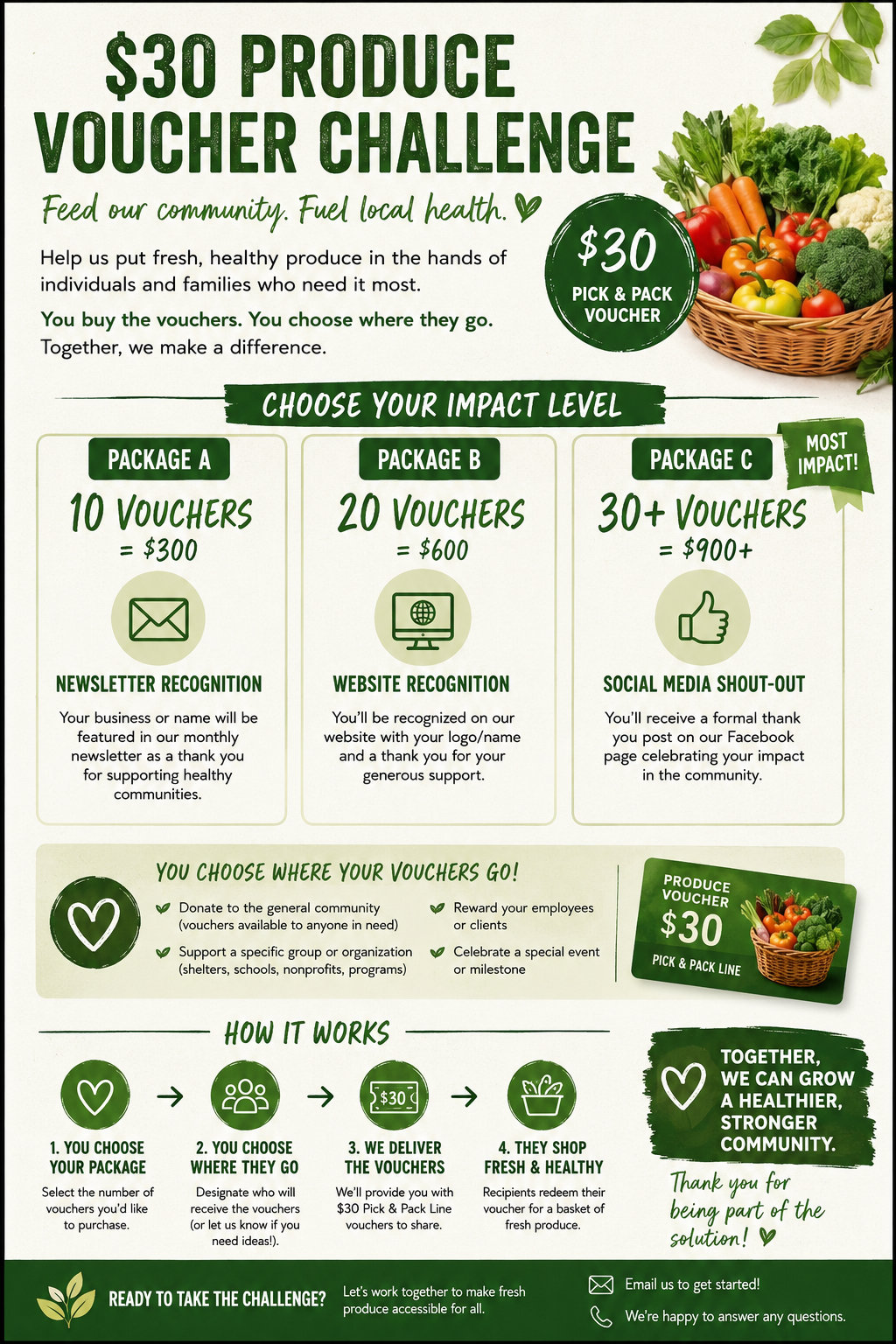
Businesses can purchase food vouchers for employees. Corporations can direct vouchers to charities, schools or community organizations. Individuals can buy one for a neighbour, and businesses can contribute directly to our Voucher Wall.
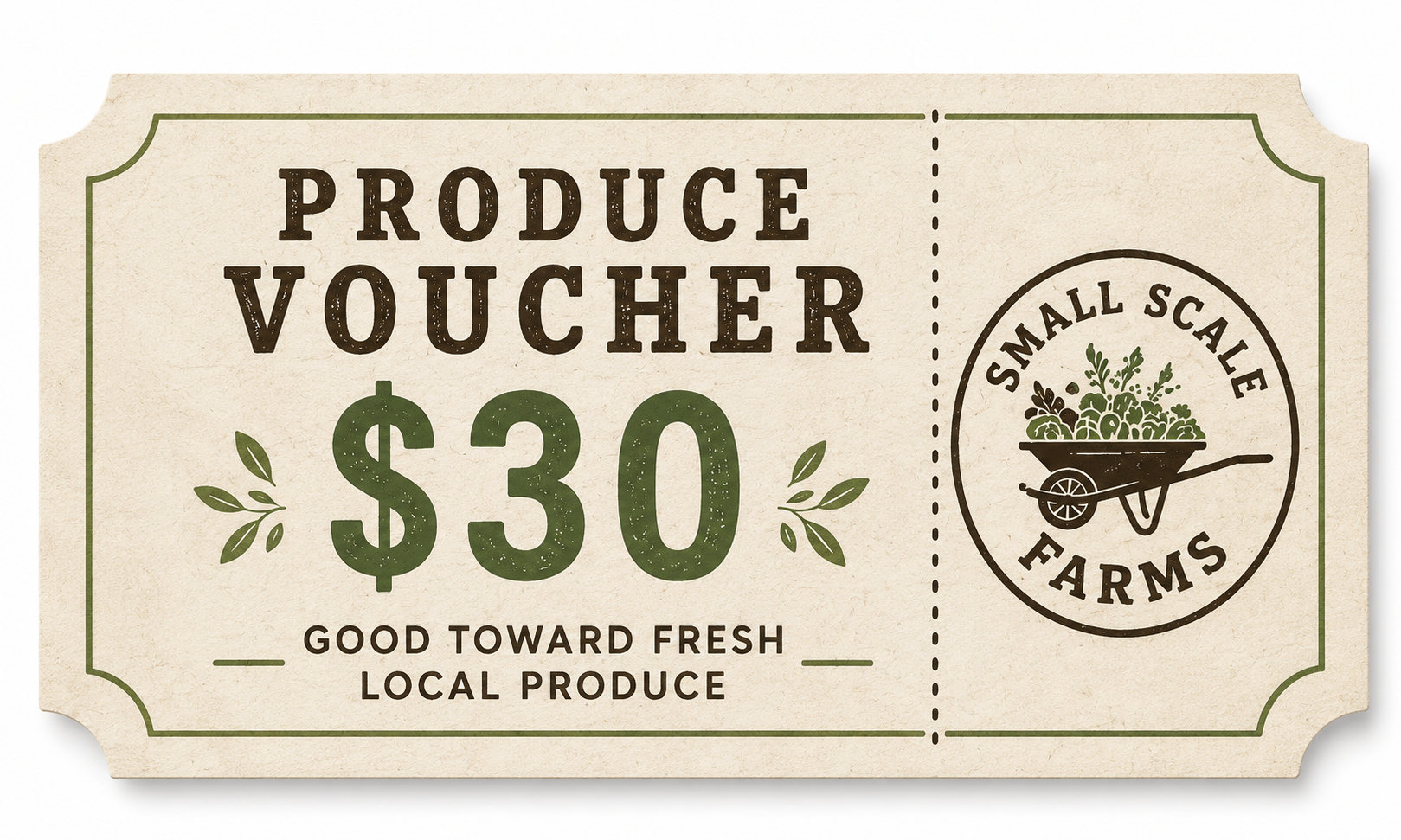
A $30 voucher can become a $30 Pick & Pack basket — and the person receiving it chooses their own food from the same Food Hub as everyone else.
It creates dignity and choice while also supporting the farmers, producers and infrastructure behind the food.
One dollar can do more than one job: support a person, support a farmer and support a local food system.
THE RESILIENCE NETWORK
Turns customers into participants.
The Resilience Network will be the membership and community layer of the ecosystem — giving people opportunities to learn practical skills, participate in workshops and farm experiences, receive ongoing guidance and contribute their time.
It’s about moving beyond simply buying what you need toward becoming more capable and involved in the community around you.
FRIENDLY NEIGHBOURS
Connects people to the neighbourhood around them.
Friendly Neighbours will bring the ecosystem down to the neighbourhood level — helping people understand who and what is around them, what resources exist and how they can participate.
Neighbourhoods can connect through local initiatives, participate in Give to Grow and have a greater voice in where community resources go.
Stronger communities begin with connected neighbours.
REBORN COLLECTIVE
Creates shared ownership in what we’re building.
Reborn Collective will be the mother company and larger ownership structure behind the ecosystem.
The bigger idea is to create an opportunity for people to potentially buy shares and move from:
Customer → Participant → Contributor → Owner
We constantly talk about buying local and supporting local.
But what if people could own local too?
Food Hubs can remain independently owned. Individual programs can have their own structures. But Reborn Collective will connect the larger vision and creates a pathway toward community ownership.
Instead of value continually leaving the communities that create it, the goal is to help more of that value circulate locally and eventually be owned locally.
One Ecosystem
Put it all together:
Food Hub — Keeps food moving. Food Rescue — Captures food value before it’s lost. Red Maple Farm School — Builds practical skills. Farm Credits — Turns participation into purchasing power. Give to Grow — Turns everyday spending into community support. Voucher Program — Turns community and corporate dollars into food. Resilience Network — Turns customers into participants. Friendly Neighbours — Connects neighbourhoods. Reborn Collective — Creates a pathway to shared ownership.
These aren’t separate programs competing for attention.
They’re different parts of the same system.
Food moves through it. Knowledge moves through it. People move through it. Money and resources move through it. Value moves through it. And eventually, ownership can move through it too.
That gives people many different ways to participate:
Shop here. Learn a skill. Rescue food. Contribute your time. Earn Farm Credits. Support your school through Give to Grow. Buy someone a food voucher. Connect your neighbourhood. Operate a Food Hub. Invest in what we’re building.
Different people have different things to contribute — money, time, knowledge, purchasing power, relationships, property, business experience or simply participation.
The ecosystem gives those contributions somewhere to go.
We’re building more ways for people to access what they need, contribute what they have, keep food and resources circulating locally and eventually own a piece of the systems their communities depend on.
We’re not trying to build another version of the system that already exists.
We’re building another way through it — and giving the community a place inside of it.
Grow. Rebuild. Regenerate.
|