I STARTED LOOKING FURTHER INTO BEEF IN NIAGARA. HERE’S WHAT I FOUND. I’ve been digging into our local beef system because I wanted to answer what I thought was a fairly simple question: How many beef farms are actually left in Niagara, and what happens to the cattle they raise? According to Niagara’s 2021 Agriculture Profile, there were approximately 57 farms whose primary classification was “beef cattle ranching and feedlots.” But that does not necessarily mean there were only 57 farms raising beef cattle in Niagara. Agricultural census classifications are based primarily on what type of farming generates the largest portion of a farm’s agricultural activity or revenue. So a Niagara farm could have beef cattle but be classified under something else—for example, oilseed and grain farming, other crop farming, fruit and tree-nut farming, other animal production, or another mixed farming operation—if
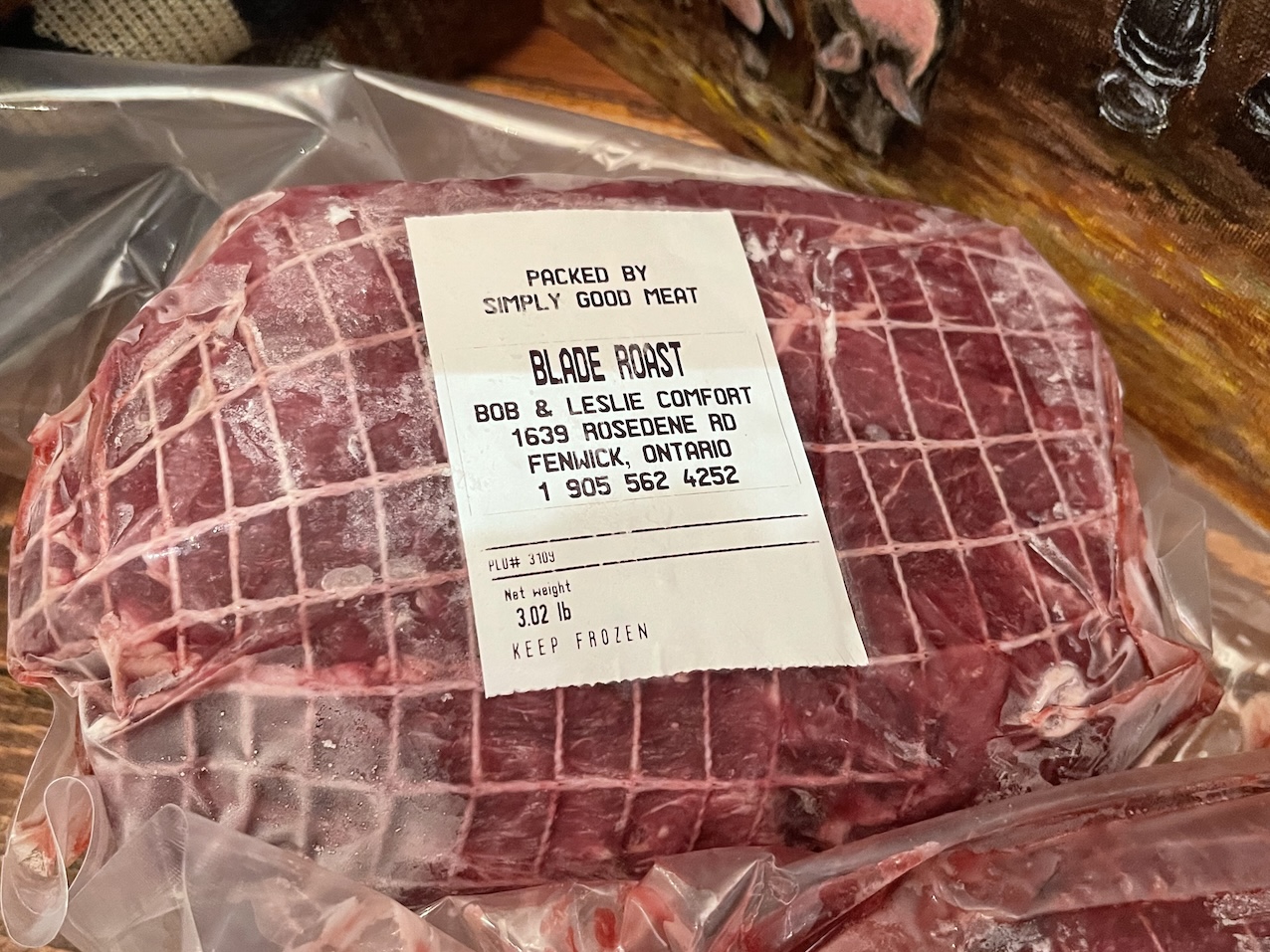
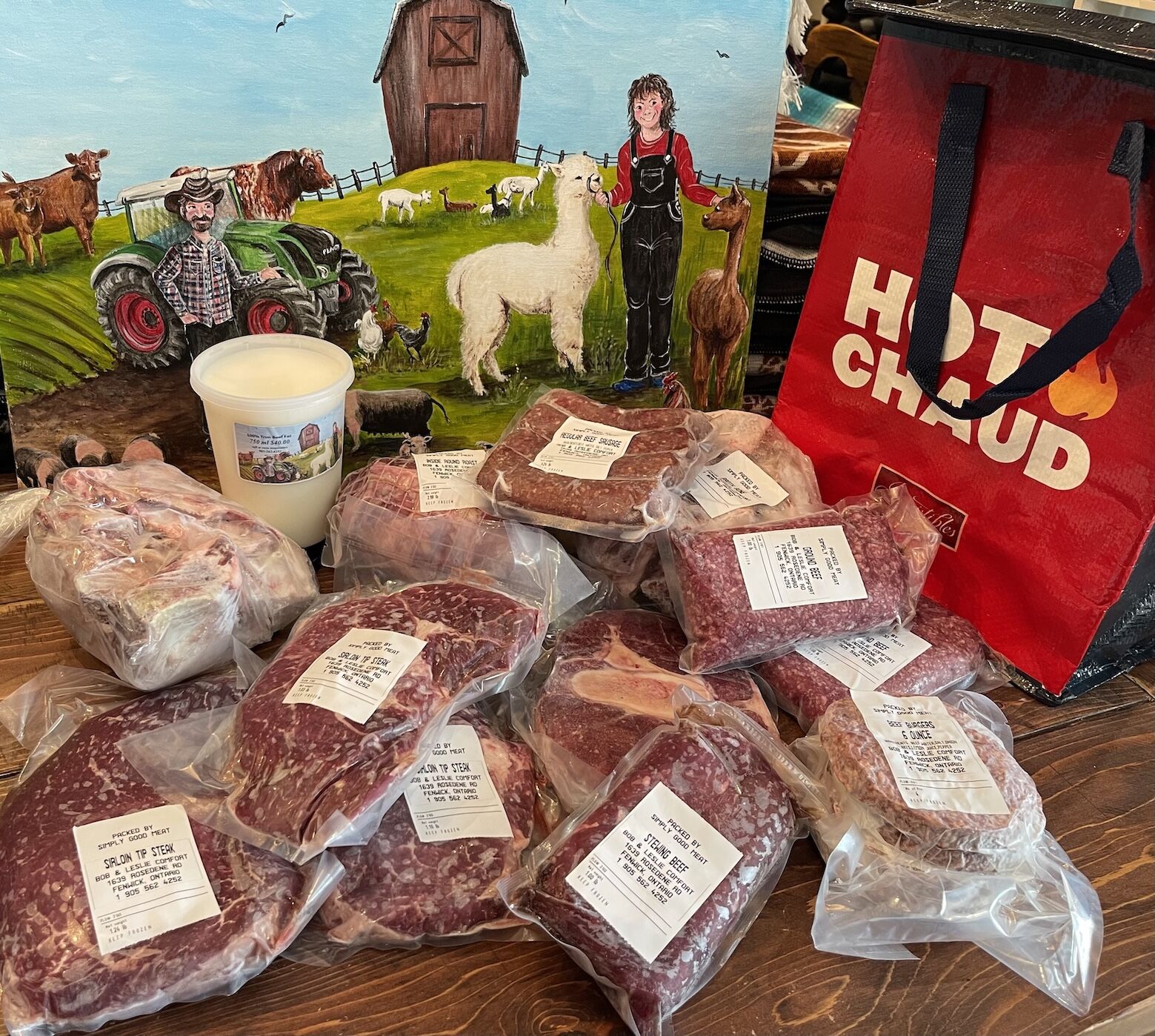
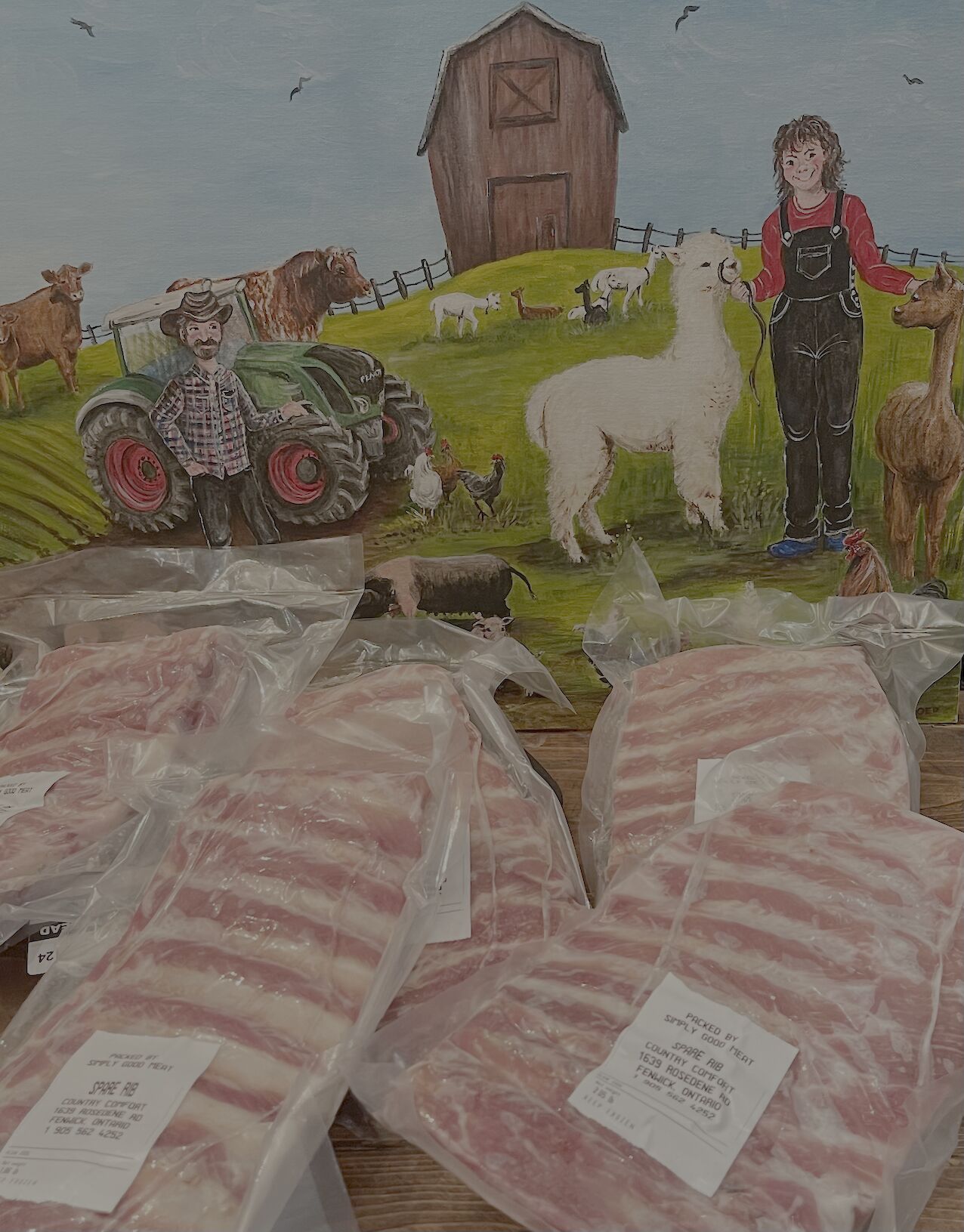
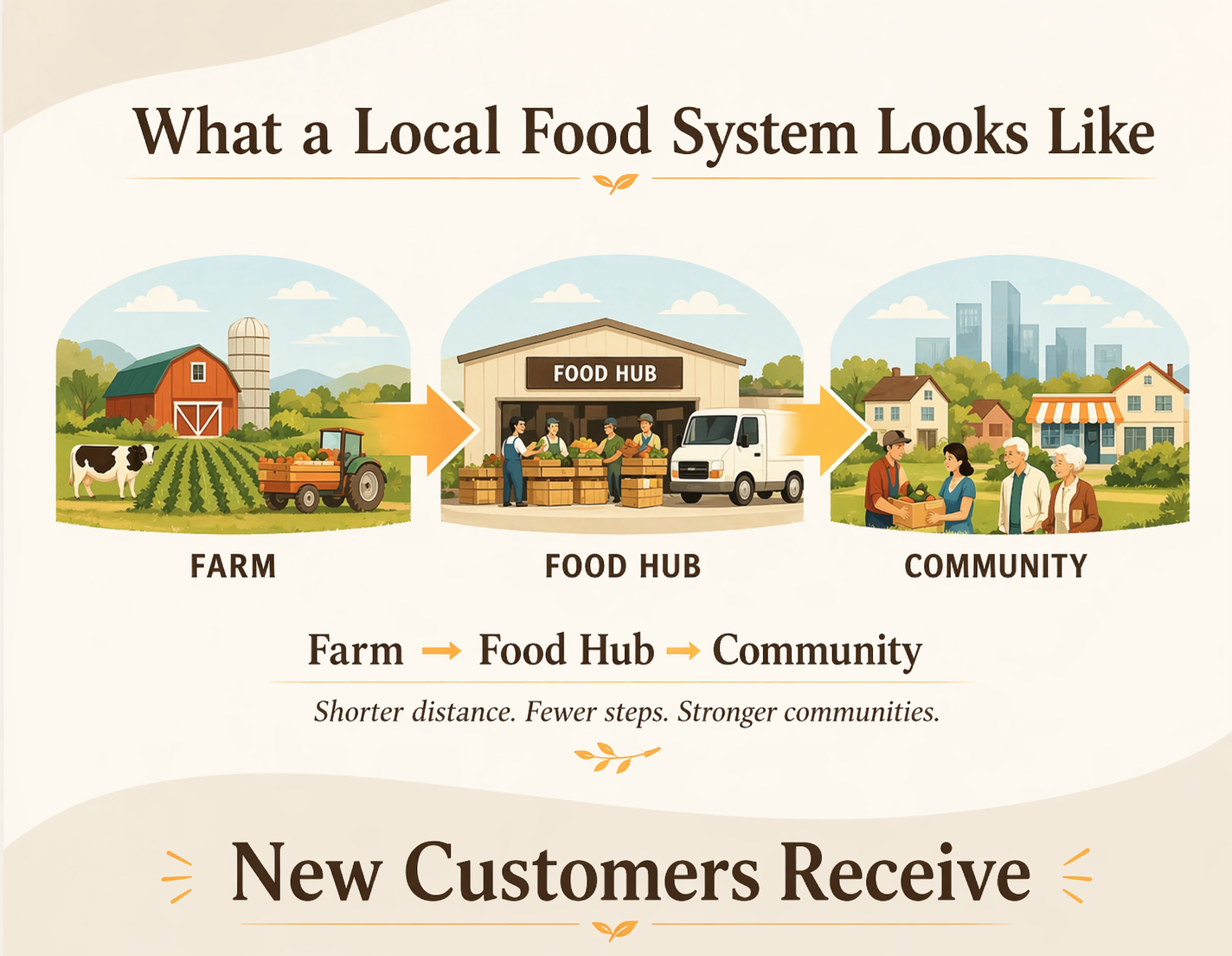
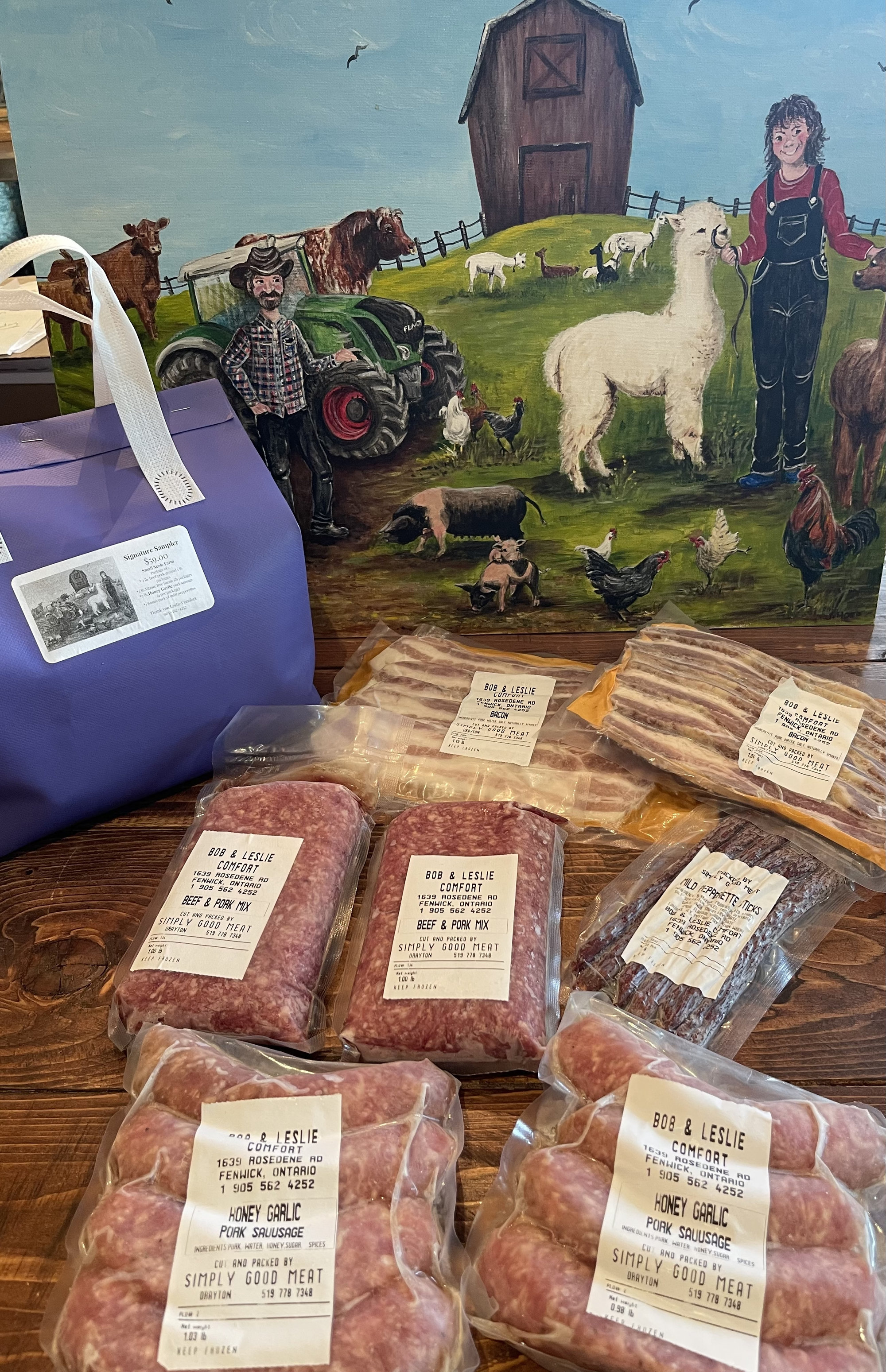
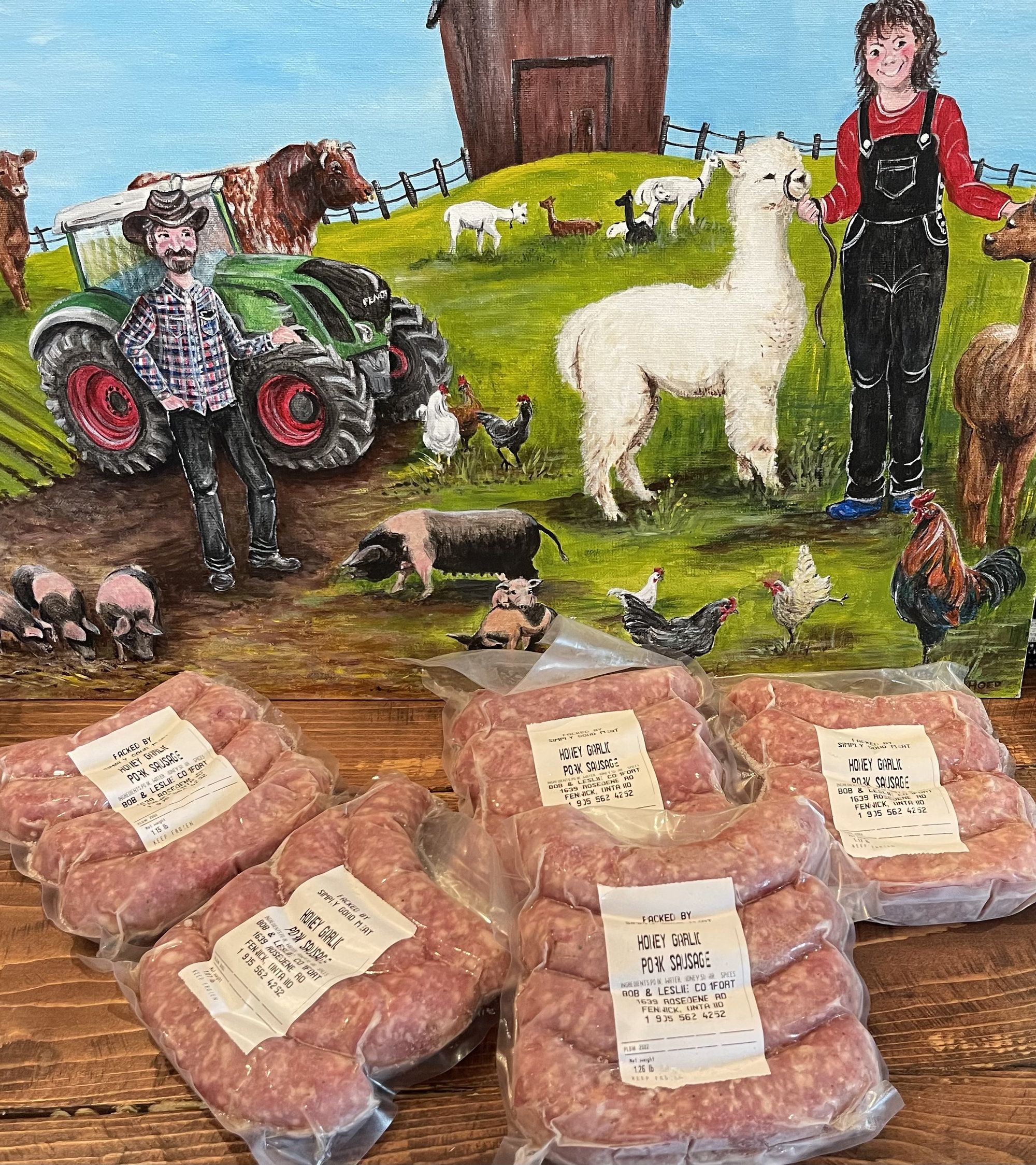
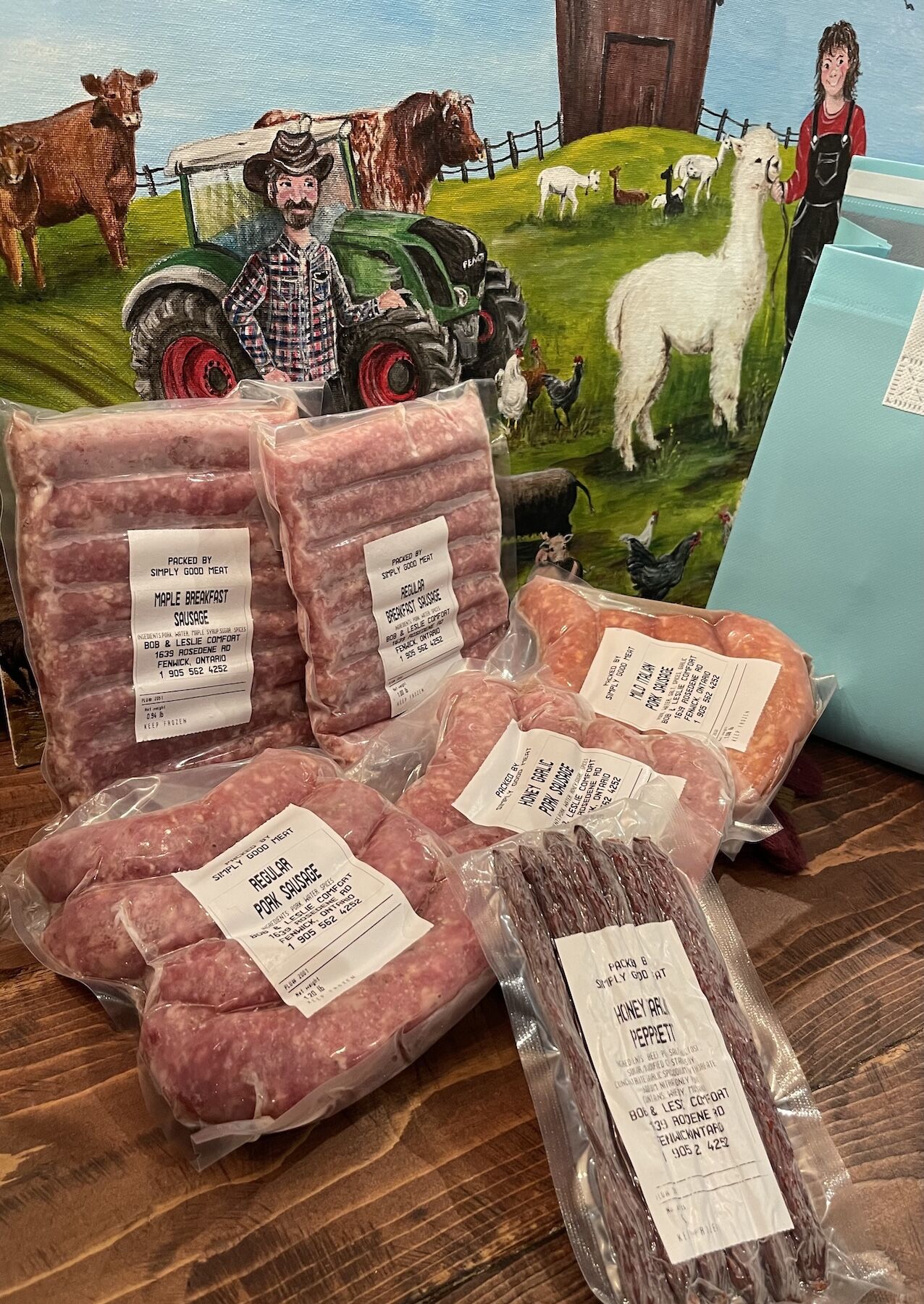
cattle aren’t its principal business. In other words: 57 gives us a starting point. It doesn’t necessarily tell us how many Niagara farms actually have cattle being raised for beef. And the more I looked into it, the more I realized that counting farms is only part of the story. Because not every farmer raising cattle is raising a cow, having it butchered and selling you a steak. Some farmers sell their cattle at livestock auction. And this is where our food system gets really interesting. A Niagara farmer might operate what’s called a cow-calf operation. They maintain a herd of mother cows, breed them, raise their calves—often primarily on pasture—and then sell those calves rather than finishing the animals themselves for beef. Those cattle may go through a livestock auction. So who buys them? It could be another farmer. It could be a backgrounder, who buys younger cattle and continues growing them before they’re ready for the finishing stage. It could be a feedlot operator, who buys cattle and feeds them to finished market weight. There are also cattle dealers and order buyers who purchase animals for other farms, feedlots or buyers. Eventually, finished cattle move into the processing system. And by then, something really interesting has happened. That cow may have been born and raised for the first part of its life right here in Niagara—but the package of beef eventually produced from that animal probably isn’t going to tell you that. The Niagara farmer who bred and raised the calf may never know which grocery store eventually sold the beef. And the person buying the steak may never know there was a Niagara farmer at the beginning of the story. That’s one of the biggest things I’m learning. There are really two very different versions of what we might think of as local beef. One is an incredibly short supply chain: Local farmer → inspected processor → local customer. The other can look more like: Local cow-calf farmer → livestock auction → backgrounder → feedlot → processor → distributor → retailer → customer. Not every animal goes through every one of those steps, but that’s one possible path. The animal can begin its life locally and then disappear into a much larger commodity beef system. And I want to be really clear about something: That doesn’t automatically mean there’s anything wrong with the beef—or with the farmer. In fact, that’s one of the things I’ve learned that I think deserves more attention. A small Niagara cow-calf farmer selling calves at auction could be doing an incredible job. Those cows might be outside on pasture. The farmer might be managing grass carefully, producing their own hay, maintaining healthy animals and caring deeply about their land. An auction isn’t a farming practice. It’s a way of selling an animal. But once that animal leaves the original farm, its story becomes much harder for us as consumers to follow. And that’s what interests me. Because somewhere along the way, we’ve become accustomed to buying meat without knowing anything about the animal. We know the price. We know the cut. We know whether it’s on sale. But do we know where the cow lived? What did it eat? Was it grass-fed? Was it grass-finished or grain-finished? Were antibiotics used routinely, only when an animal was medically sick, or not at all? Were added hormones used? Who bred it? Who raised it? Who finished it? Where was it processed? And how many different businesses were involved before that steak reached our plate? It honestly gets rather complicated to answer those questions. For everyone I've asked over the years. There’s another distinction I’ve learned through all of this. When you buy beef directly from a local farmer, farm-raised doesn’t normally mean farm-slaughtered. Meat being sold to the public in Ontario generally has to come through an appropriately inspected slaughter facility. So a farmer can raise an animal from birth, know exactly where it lived and what it ate, send that animal to an inspected abattoir, and then sell that beef directly to local families. That’s still an incredibly short food chain: Farmer → processor → you. And I’m starting to think traceability might matter just as much as geography. I’ve spent years talking about local food. I've developed relationships with people like Bob and Leslie Comfort for a REASON. But what needs to be made clear is the word local alone doesn’t tell us enough. Imagine two cows. One is born ten kilometres from my house. A local farmer raises that calf and eventually sells it at auction. Someone else buys it. It may move somewhere else to grow. Someone else may finish it. Eventually it enters a processing and distribution system and its beef could end up hundreds of kilometres away—or potentially right back in a grocery store near me. Another cow is born ten kilometres from my house. The same farmer raises it throughout its life, knows exactly what it has eaten, sends it to a local inspected processor and brings that beef back to the farm to sell directly to families. Both cows started locally. But those are two very different food stories. And neither story automatically tells us whether the farming itself was good or bad. To know that, we have to ask better questions. How was the animal raised? What did it eat? How was the pasture managed? Were added hormones used? What is the farm’s antibiotic policy? What happens when an animal gets sick? Where was the animal finished? Where was it processed? And maybe most importantly: Can we trace our food back to the people who actually produced it? That’s where I think the local food conversation needs to go next. For years we’ve asked: Where did this come from? I’m beginning to think the better question is: Who raised it, how did they raise it, and what happened to it after it left the farm? I’m going to keep digging into Niagara’s beef system because the more I learn, the more I realize how disconnected we’ve become from something as basic as knowing the story behind our food. Not because I’m looking to create a list of good farmers and bad farmers. Quite the opposite. I want us to know our farmers again. I want to reconnect the person eating the steak with the person who raised the cow. Because knowing something came from Niagara matters. Knowing its whole story matters even more. Maybe that’s what local done right really means.
|