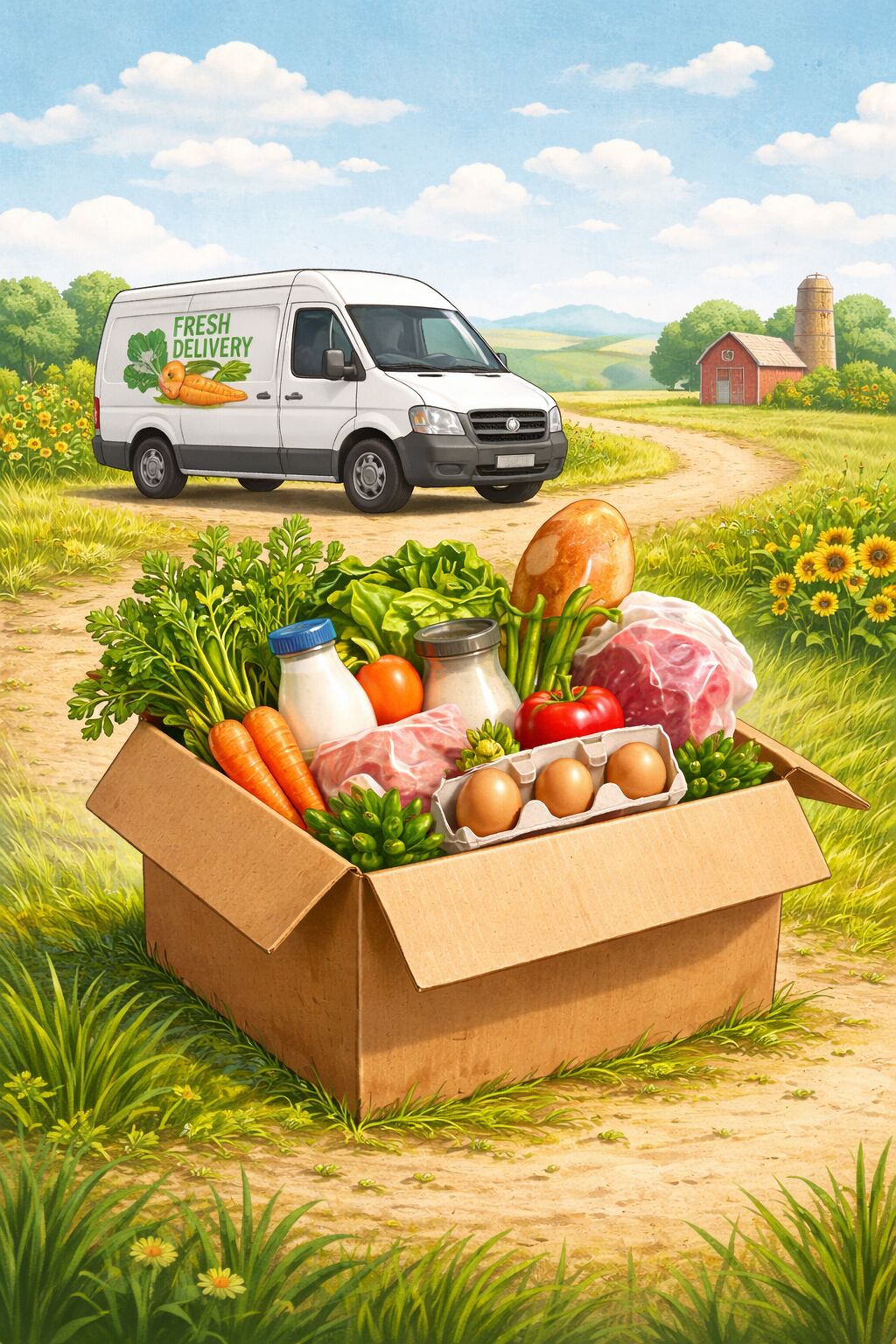
It's easier than ever to order online and have us delivered. The goal has always been real simple - make real food easier to get.
Please note: Everything in this newsletter is available for free delivery, and we update it regularly based on what’s in stock at the hub. Please read all details on free delivery sale page before ordering -
Min $30 order.
New to Small Scale Farms? Enter 10%OFF before you check out and save 10% off your entire order - AND have us delivered for free!
|
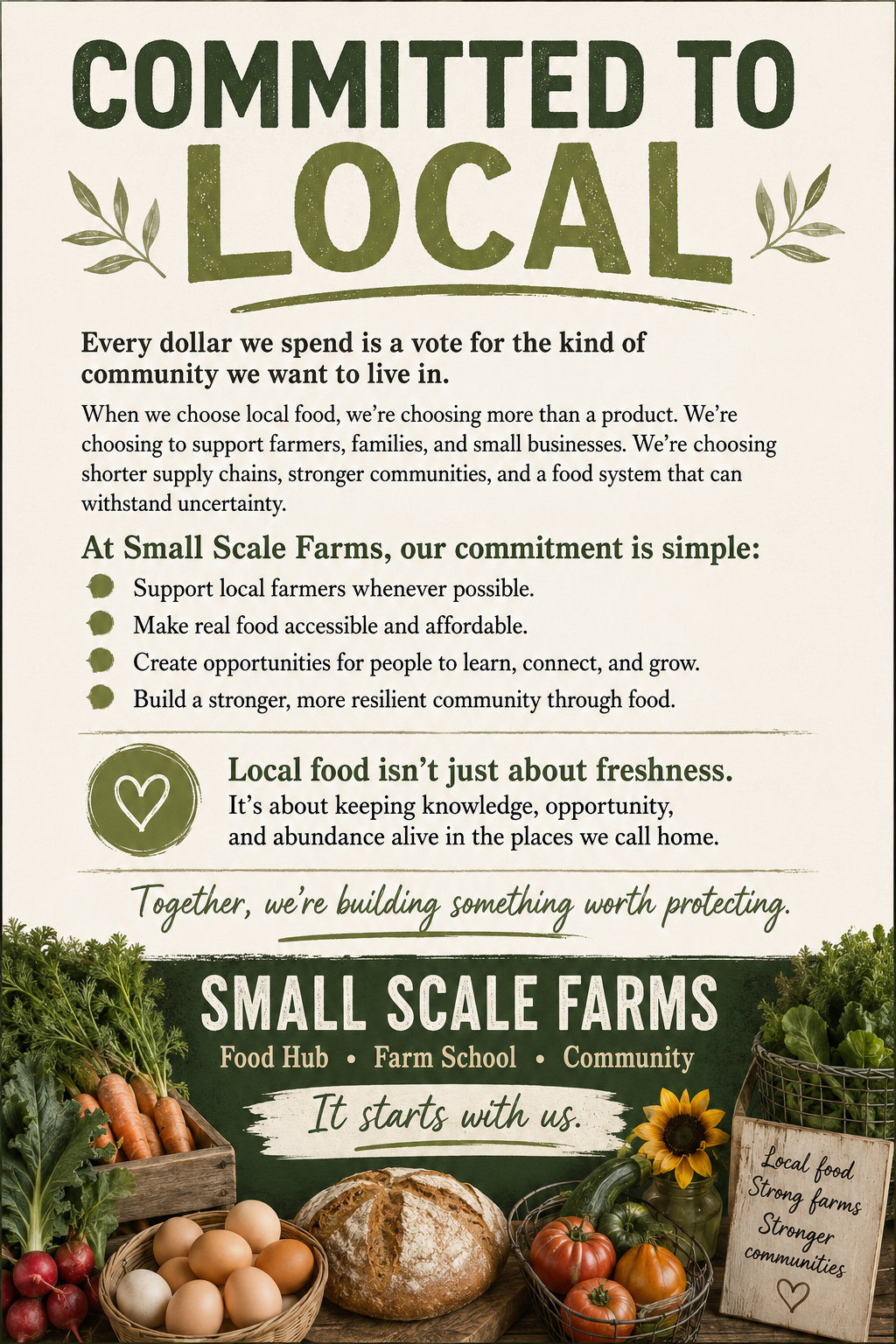
Our mission is to rebuild local systems so people become participants instead of consumers. Food is simply the first doorway...
|
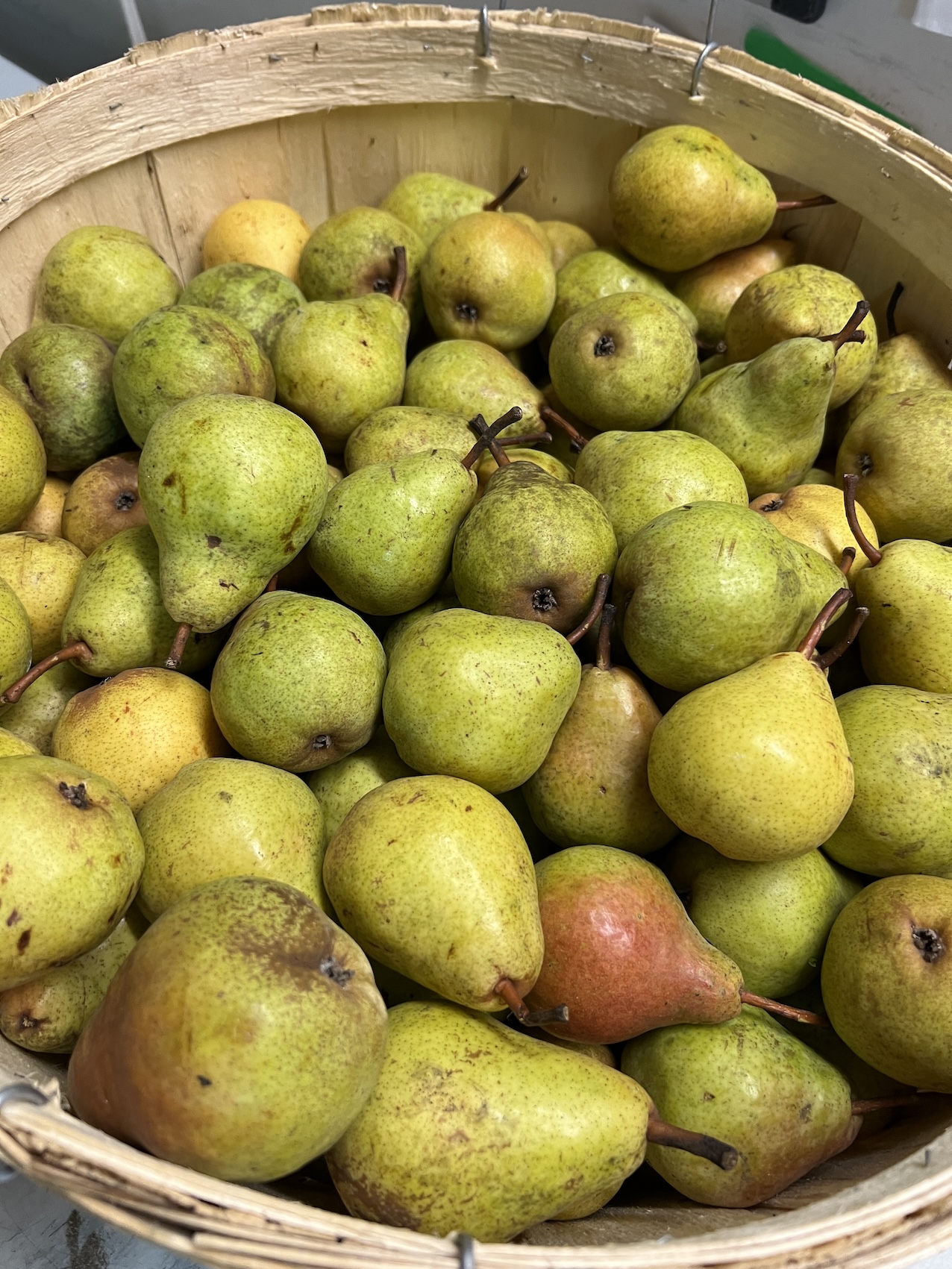
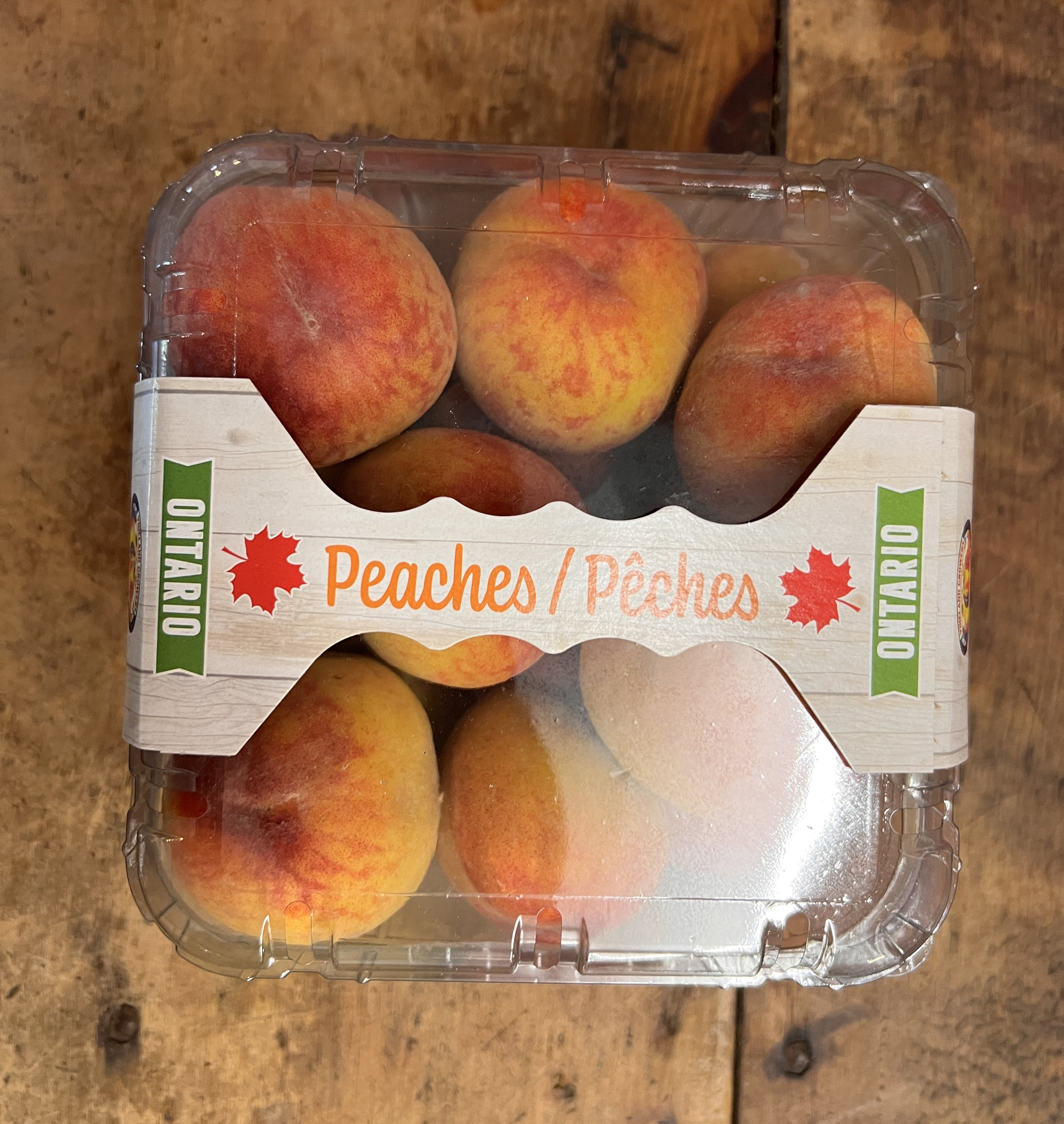
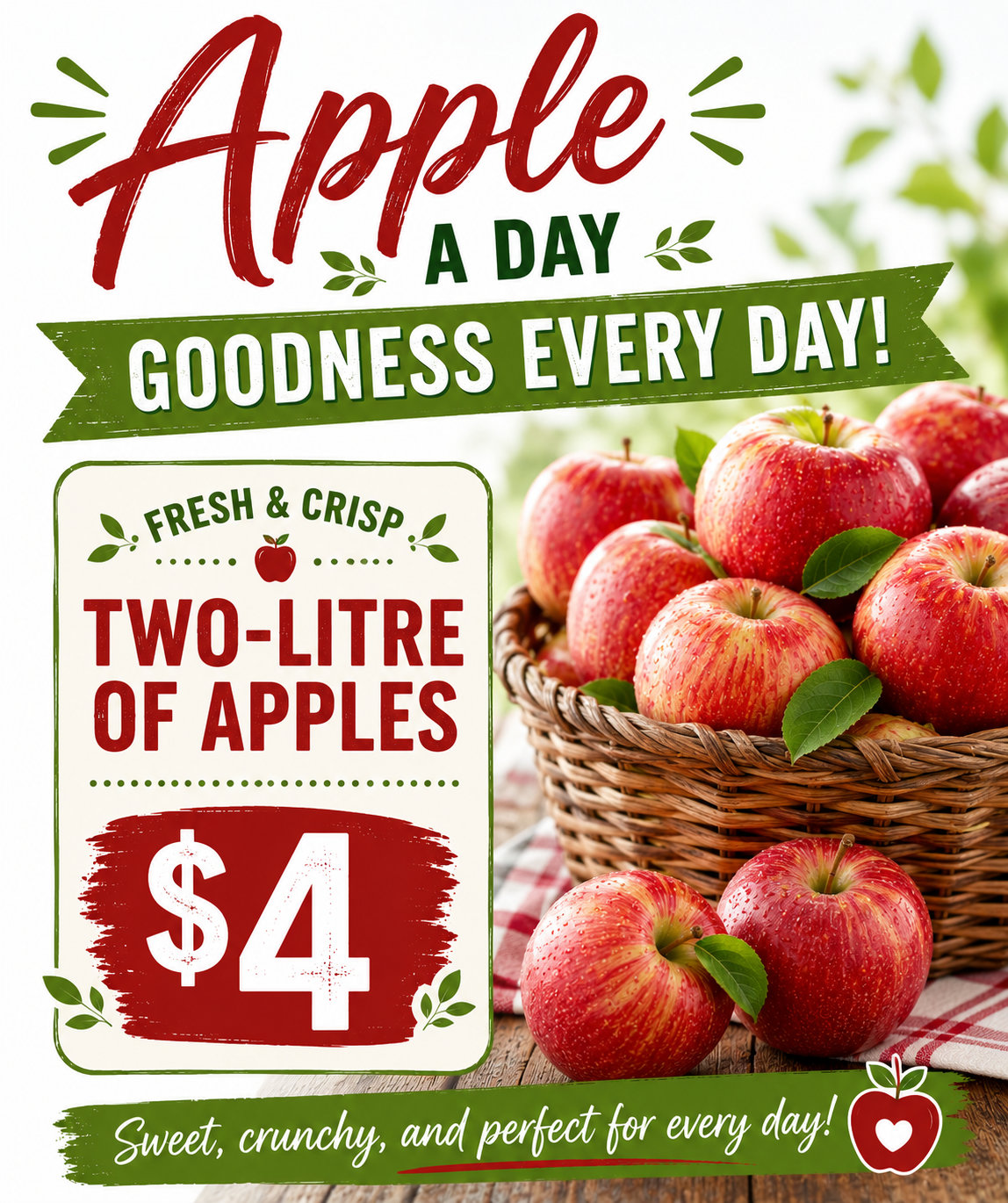
No spray pears! $4 for 2L
There’s something different about fruit that hasn’t been sprayed into perfection. These pears might have a mark or two, they might not all look exactly the same, but that’s kind of the point. They were grown as food, not as a display. No spray, locally grown, and exactly the kind of thing I want more of in my kitchen. This is the stuff I’m choosing more and more — food that still looks like it came
from the earth.
|
We created our Free Delivery page to make it easier and more affordable for local families to access great food while helping more food move through our local food system.
|
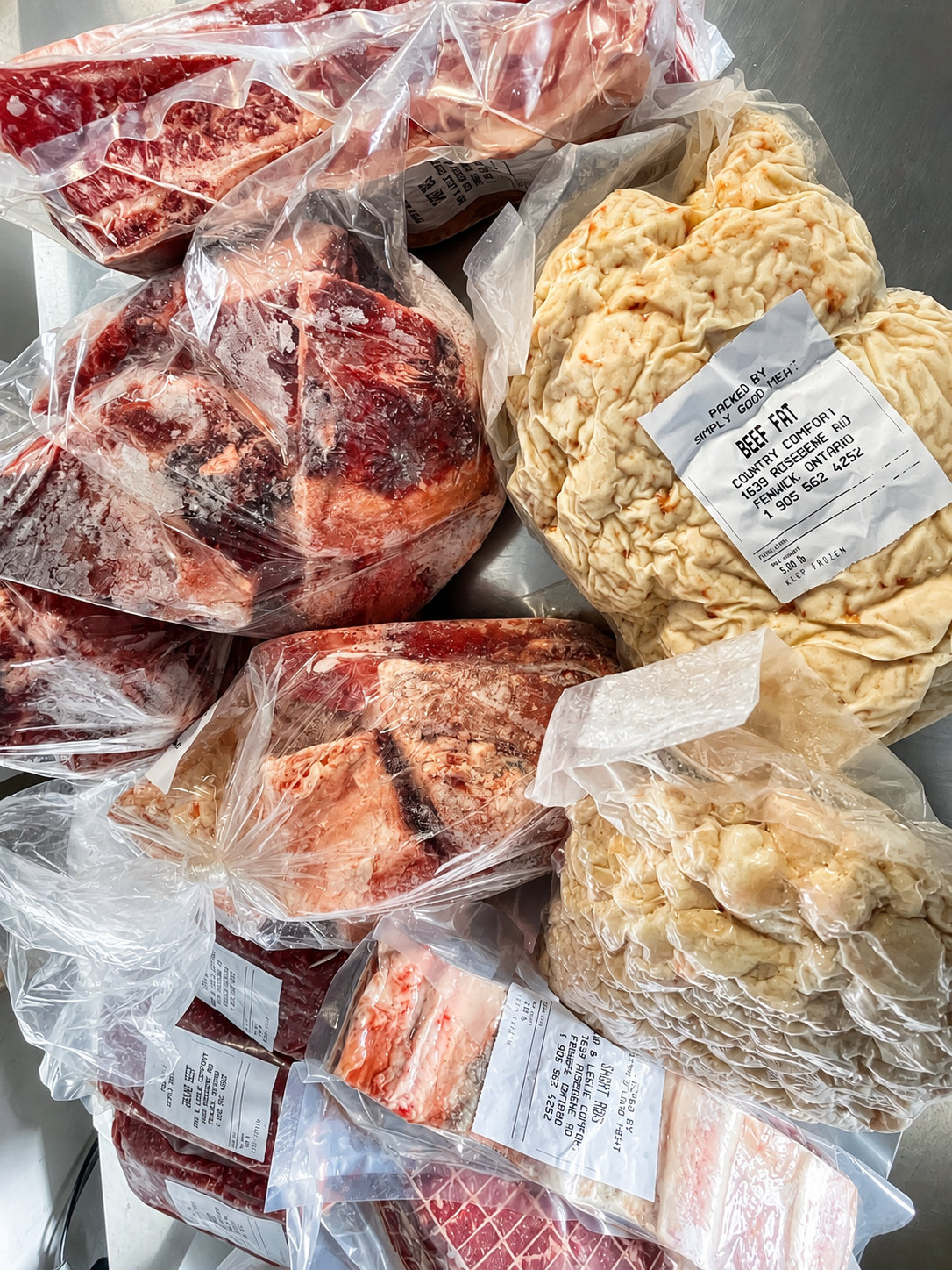
Why I Think We Should Be Cooking With Tallow Again Somewhere along the way, we were convinced that the way our grandparents cooked was outdated. We traded butter and animal fats for bottles of highly processed oils. We stopped saving the fat from the animals we raised and started buying another product from another factory instead. And lately, I’ve been asking myself: Why? Tallow is rendered beef fat. That’s it. For generations, people cooked with animal fats because they were available, useful and valuable. If you raised an animal for food, you didn’t throw perfectly good parts of that animal away and then drive to a store to buy cooking oil. You used what you had. That’s probably what I love most about tallow. When we buy beef from a local farmer, the value of that animal isn’t limited to steaks and roasts. Rendering the fat into tallow means taking something that could otherwise be discarded or undervalued and turning it into something useful in our kitchens. That’s not going backwards. That’s being resourceful. Tallow is also incredibly useful for cooking. It handles high temperatures well and can be used for roasting vegetables, frying potatoes, searing meat and so much more. This isn’t about declaring one fat “good” and everything else “bad.” Tallow is high in saturated fat, and nutrition is more complicated than the arguments we see online. For me, the bigger question is about where our food comes from and how much processing and distance we’ve accepted as normal. If I can know the farmer, use more of the animal, support a local producer and replace another highly processed, globally transported product in my kitchen with something already available within our local food system — why wouldn’t I? Maybe it’s time we became better at using things again. Saving food. Preserving food. Rendering fat. Making broth. Growing something. Cooking from scratch. Maybe Grandma wasn’t behind the times after all. Maybe she understood something we’ve forgotten: Use what you have. Waste less. Know where your food comes from. Keep more of our food - and our money - close to home. It starts with us.
|
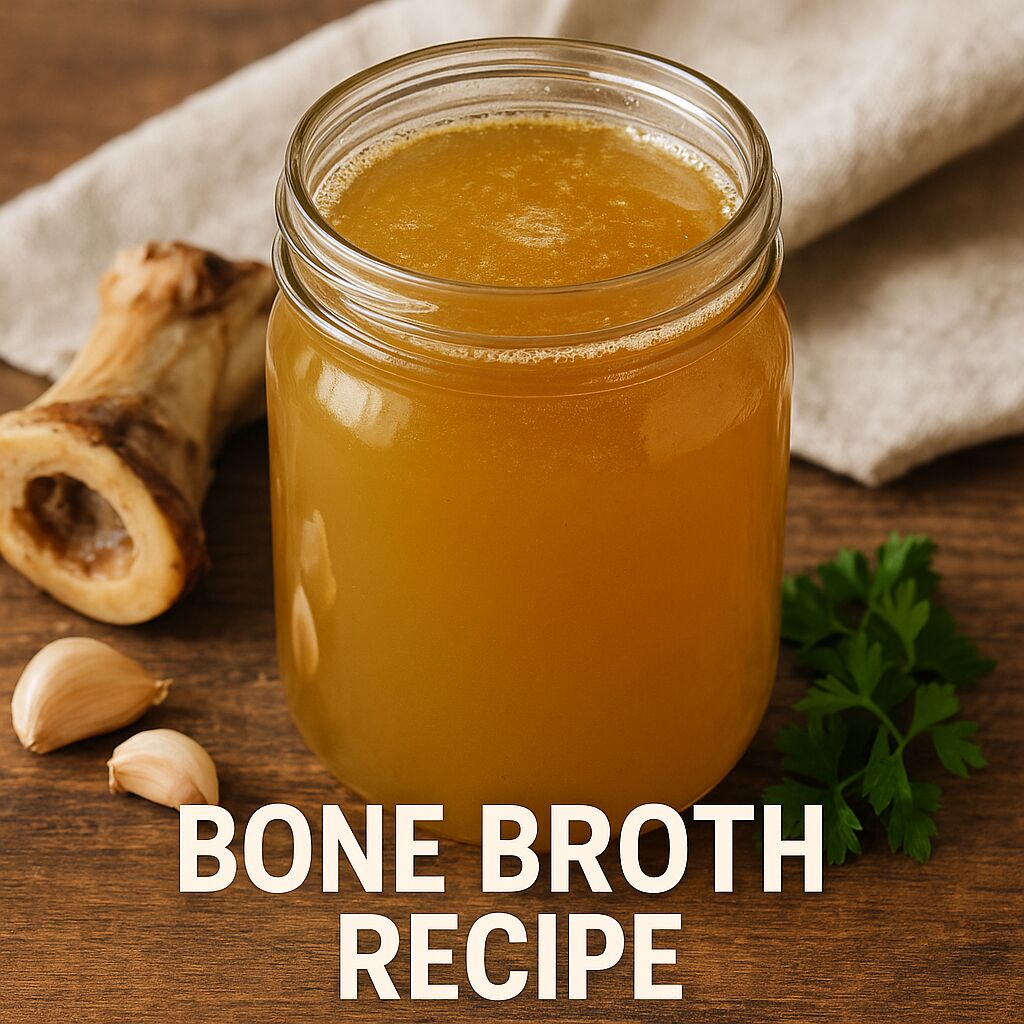
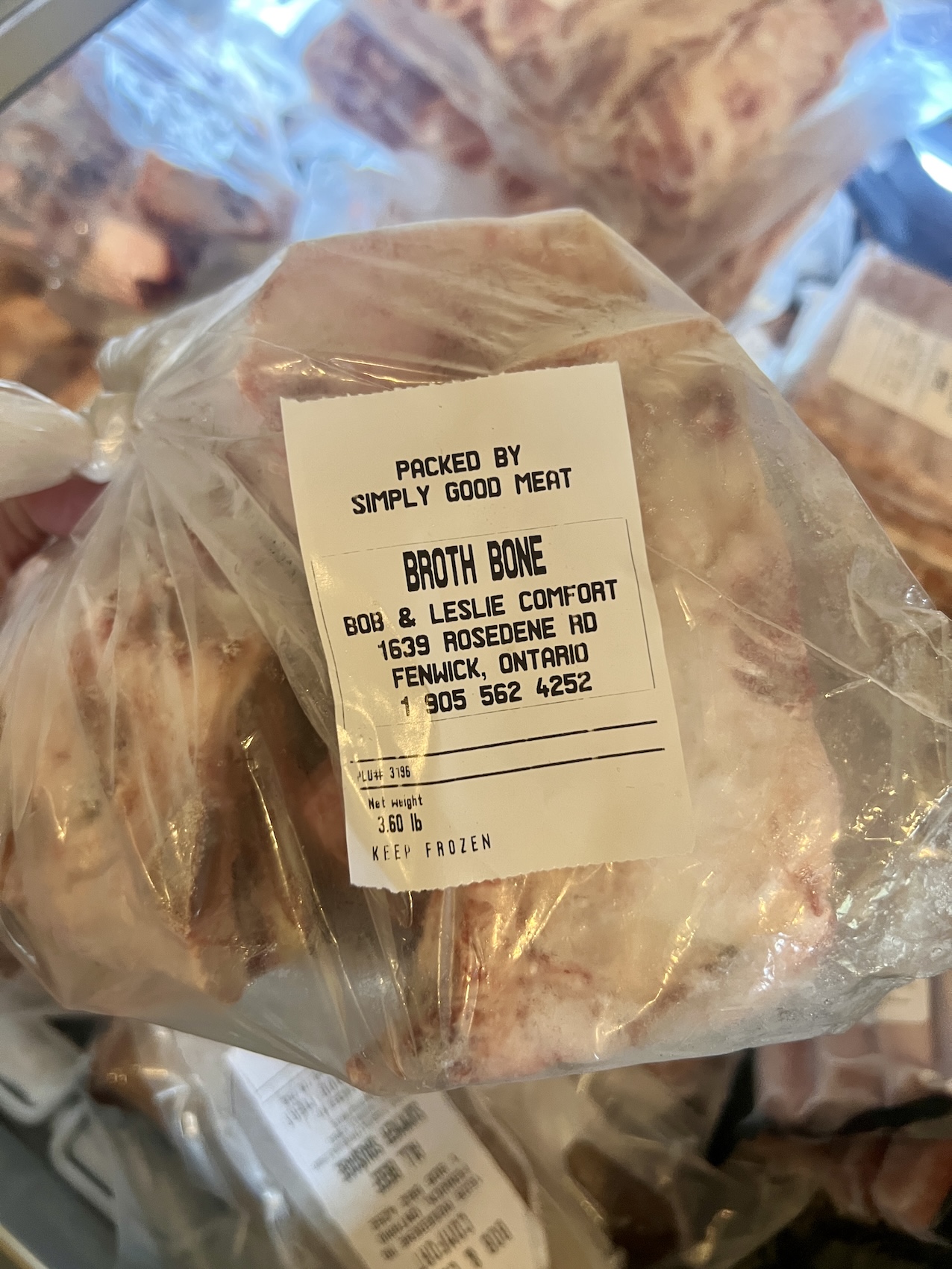
Easy Homemade Bone Broth 🥣 Homemade bone broth is simple — it just needs time! Start by spreading your bones on a baking sheet and roasting them at 425°F for about 30–40 minutes, until nicely browned. Transfer the roasted bones to a large pot or slow cooker. Add an onion, a couple of carrots, celery and a few cloves of garlic. Cover everything with water and add a splash of apple cider vinegar. Bring to a gentle simmer, then cook low and slow for 12–24 hours. Add salt and pepper to taste toward the end. Strain the broth, let it cool and refrigerate or freeze for later. Use it for soups, stews, gravy, sauces, cooking rice or just warm up a mug and enjoy.
Our bones are just $9 right now for 3 lbs. That’s $6 off!
|
|
|
|
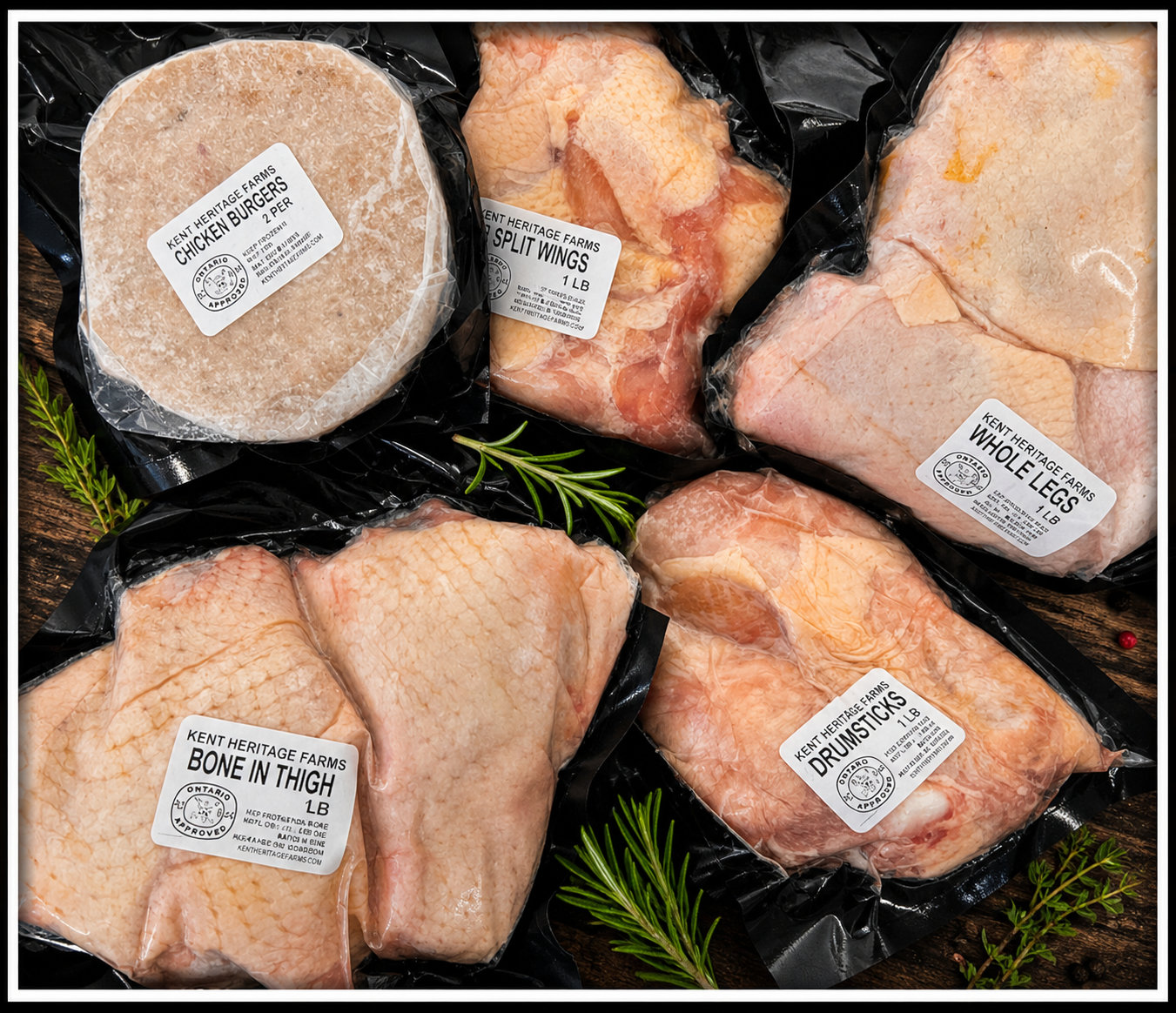
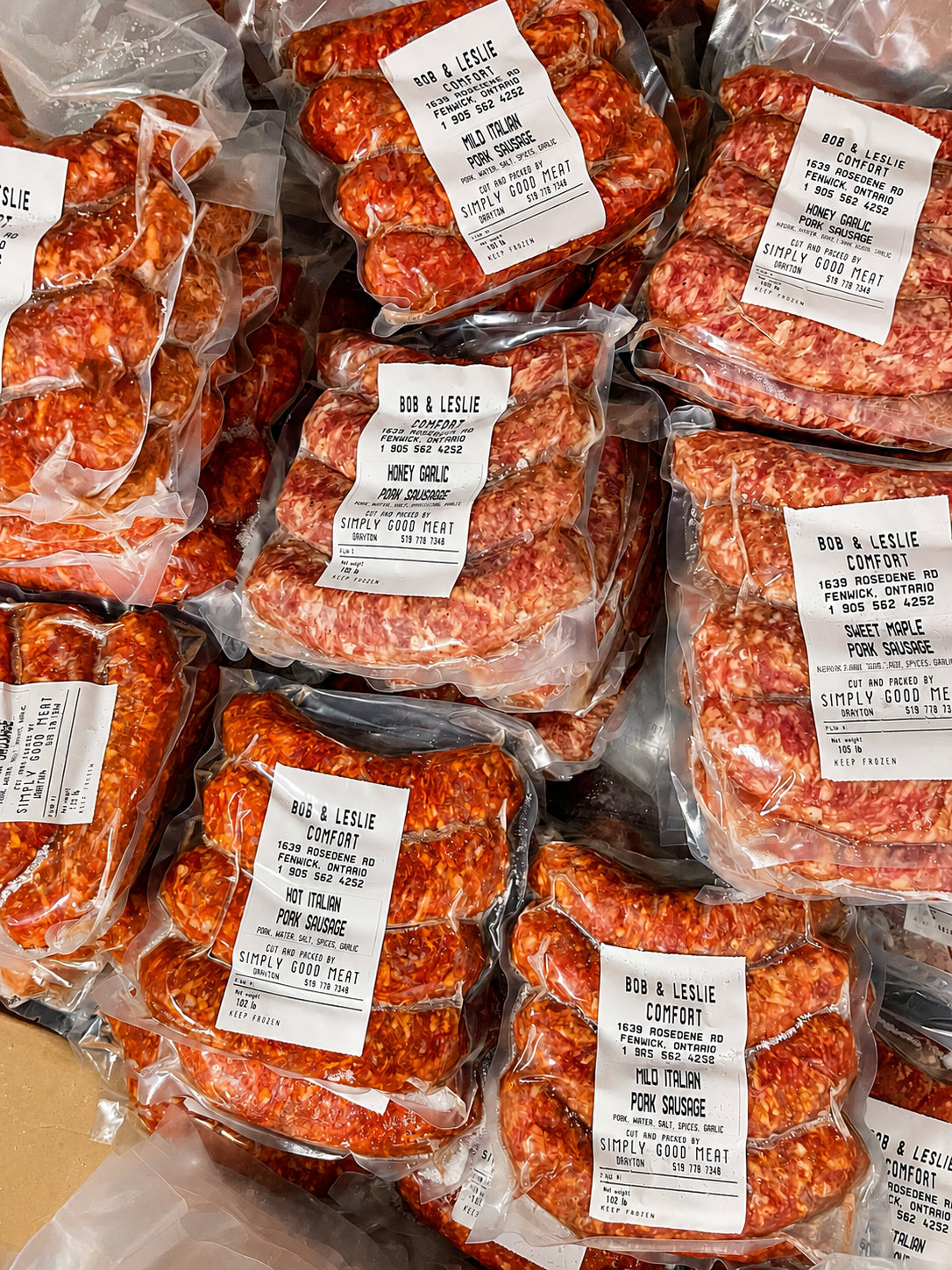
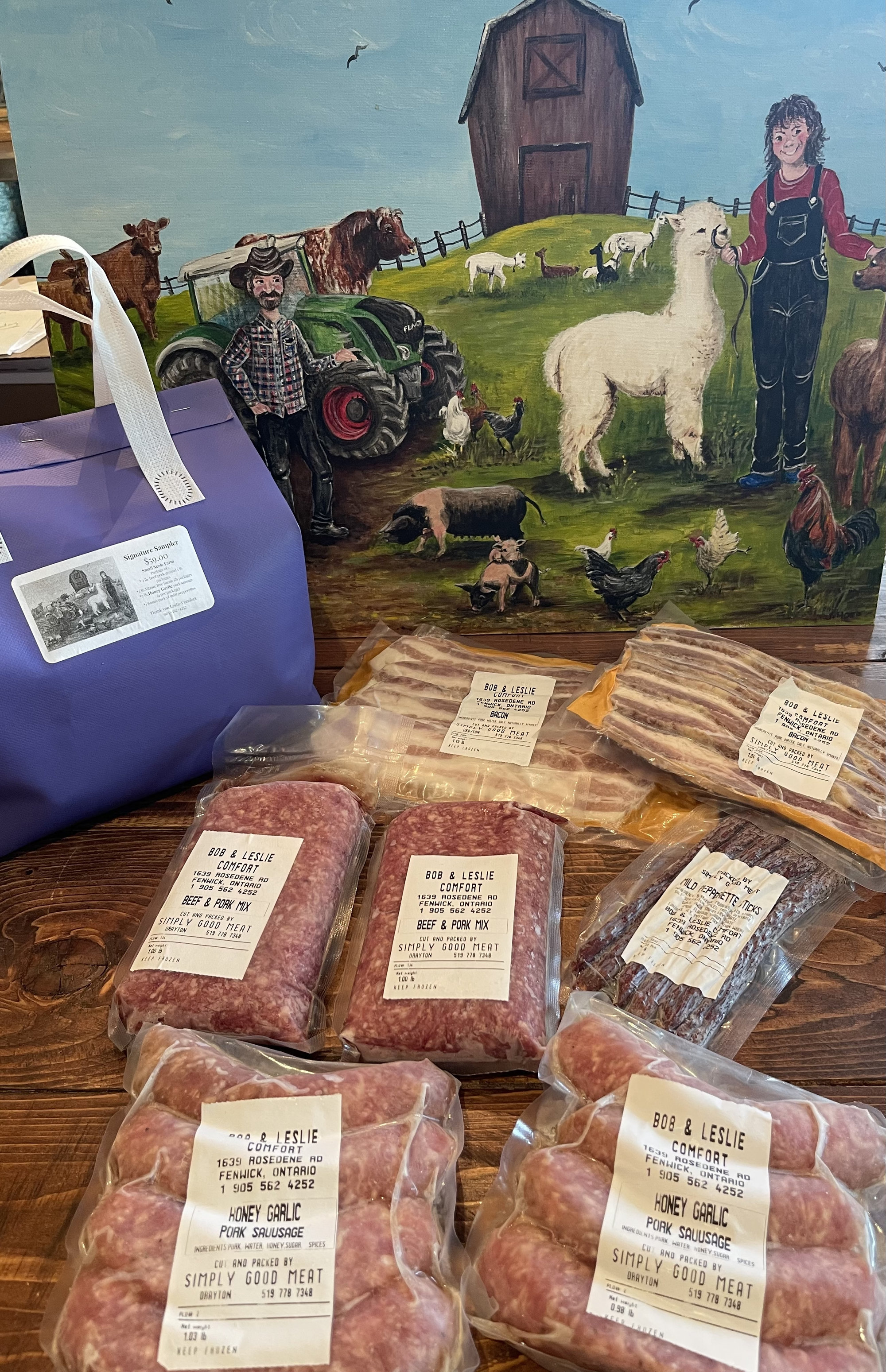
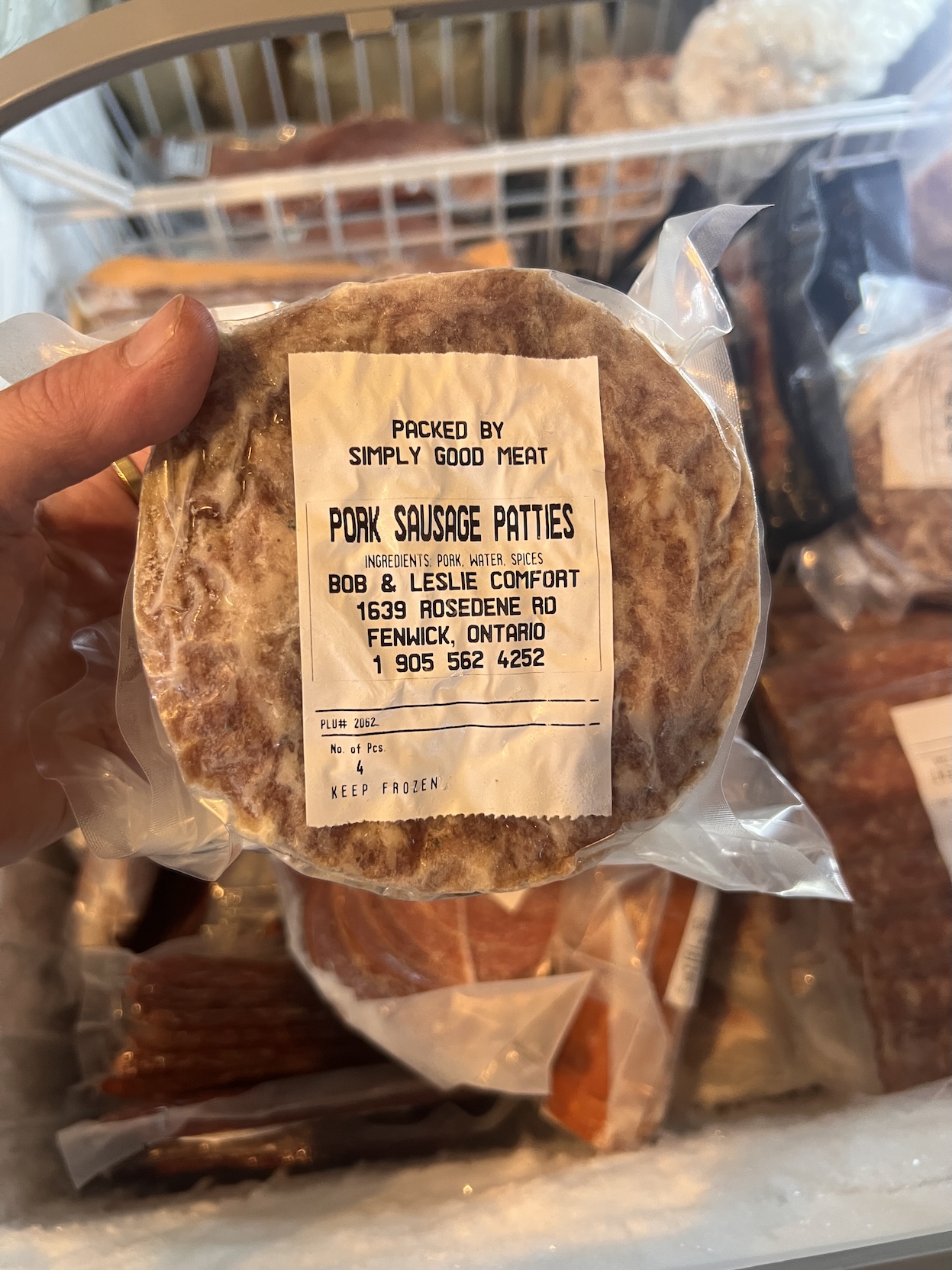
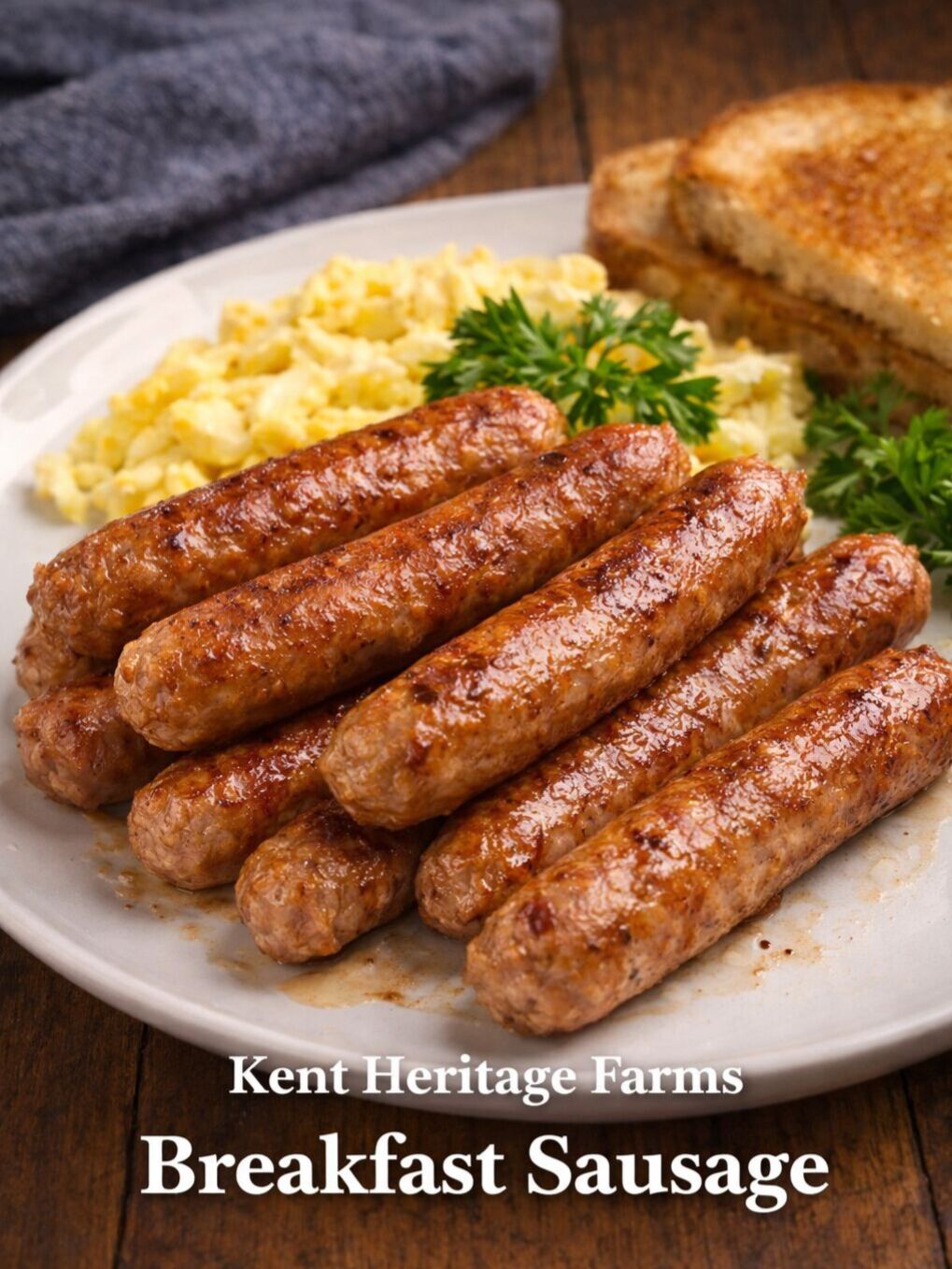
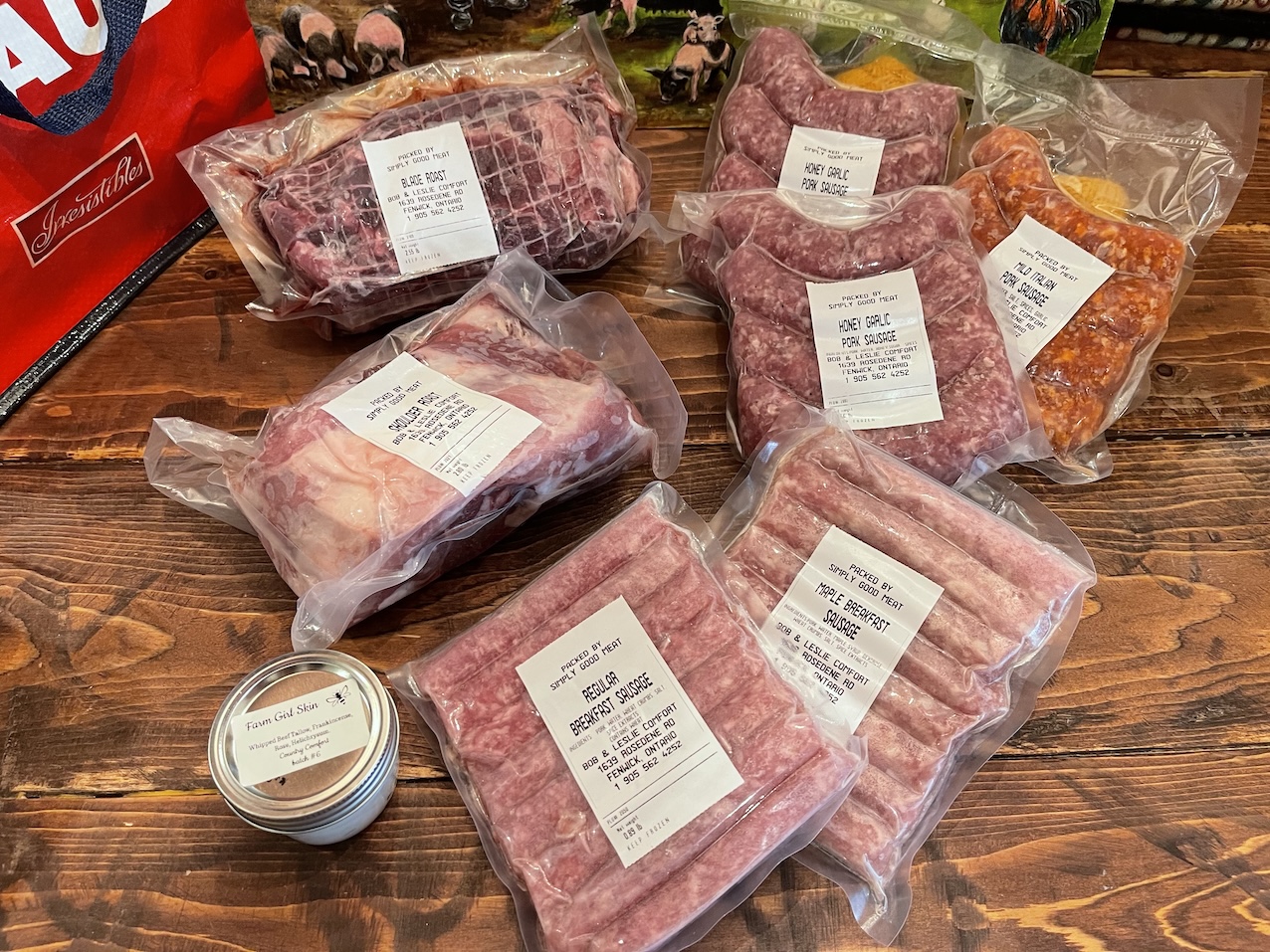
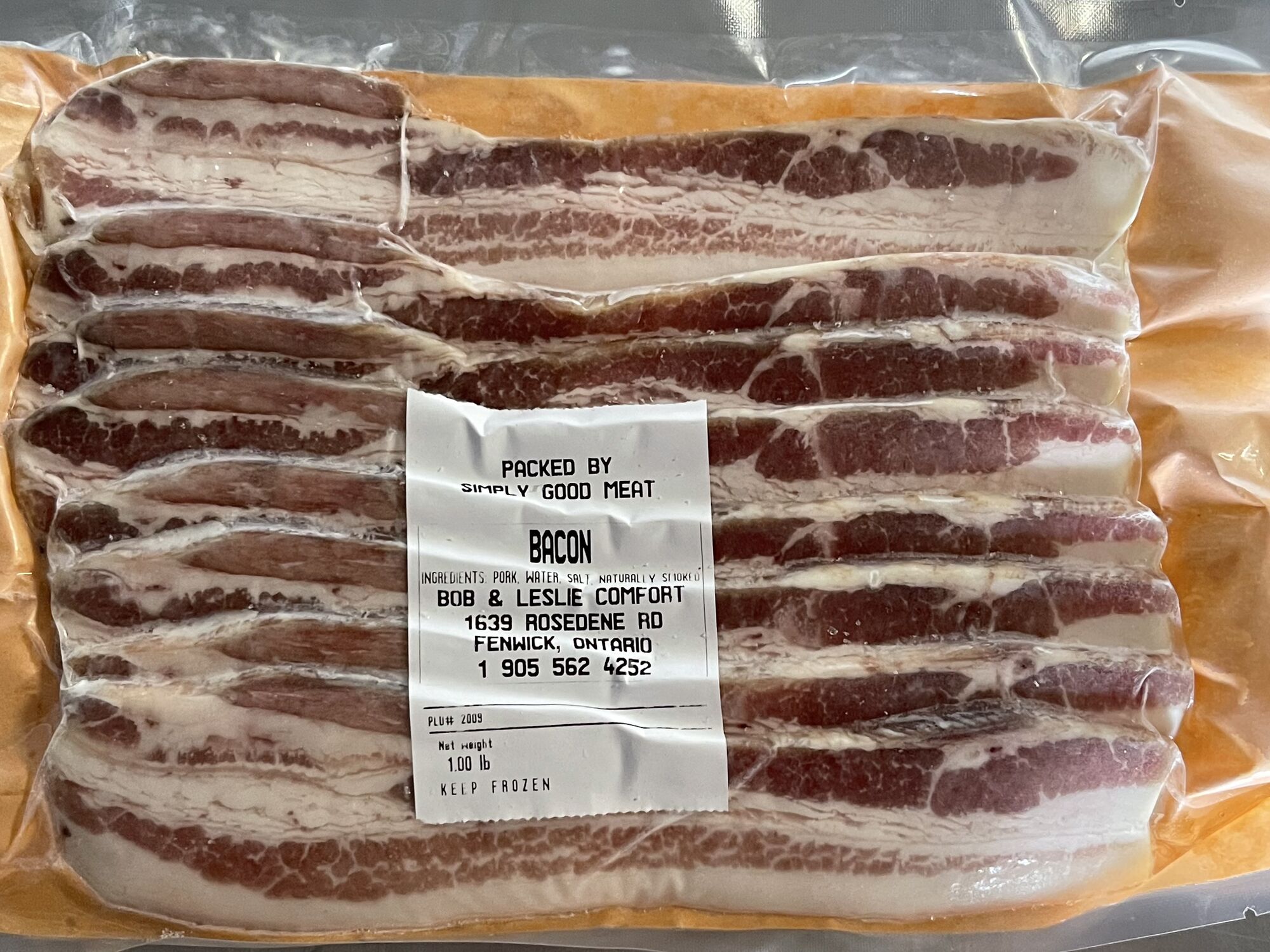
Leslie’s got an abundance of heritage pork sausage that needs to move, so we put together an incredible sausage bundle. As a bonus, she’s throwing in broth bones absolutely free so nothing goes to waste. It’s a great deal, and a great way to stock your freezer.
This is the lowest price we've ever offered sausages from Comfort Farms.
|
|
|
|
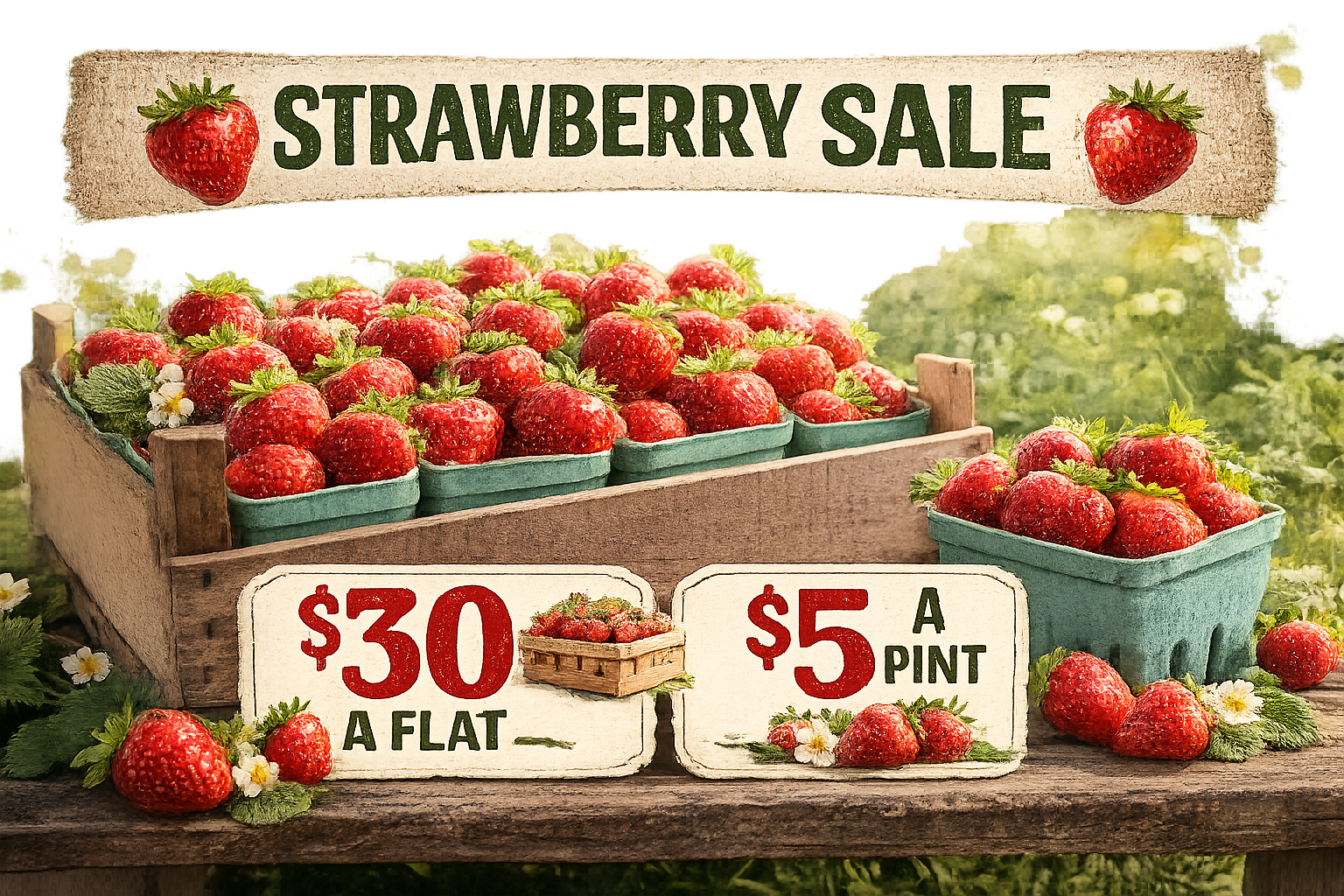
New Strawberries still pouring in and they are so sweet! 🍓
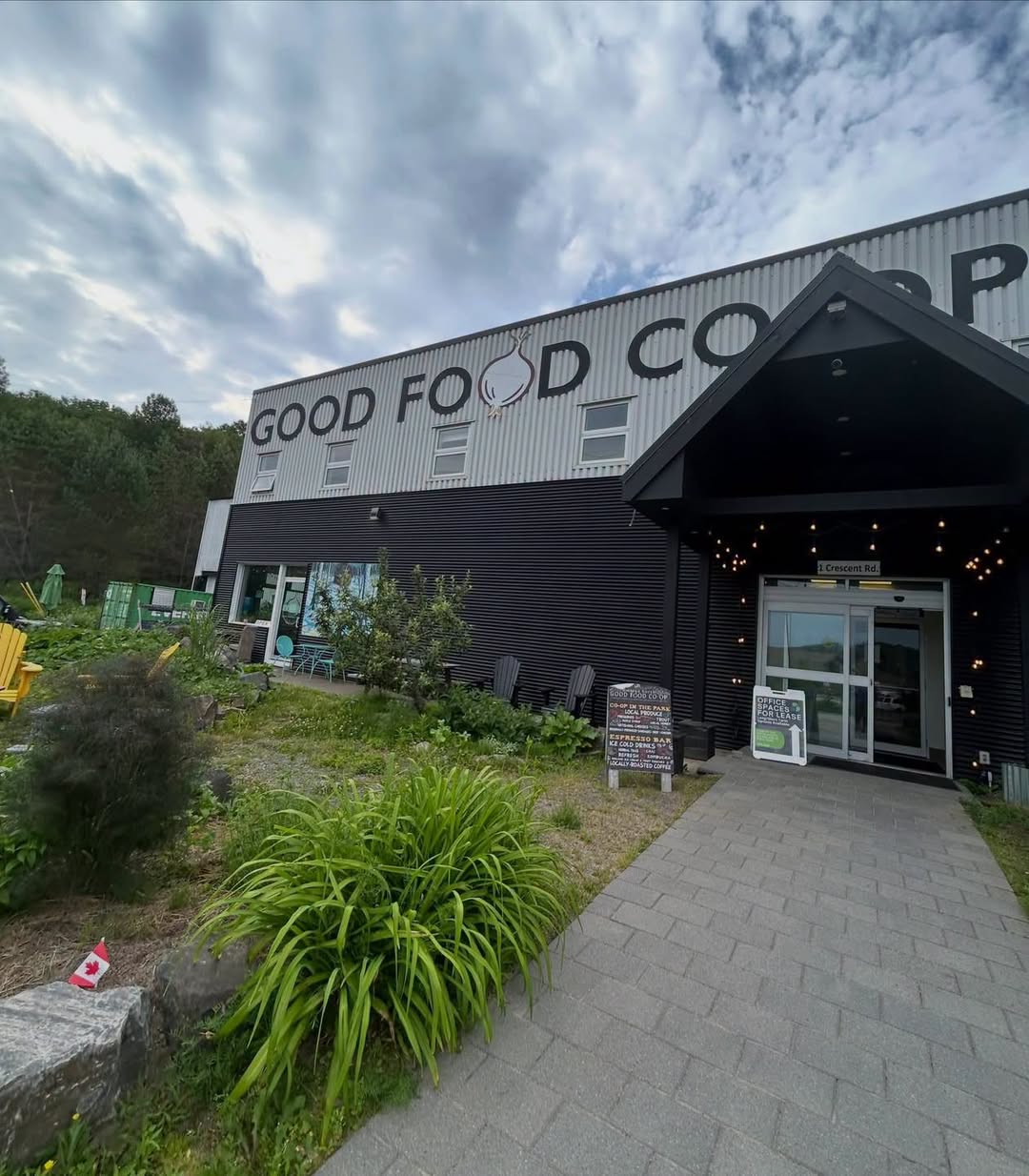
Come for a visit - 13145 Lundy's Lane or have us delivered.
For free!
|
When Local Food Disappears
|
Plus: New Blog on Community at bottom of Newsletter.
|
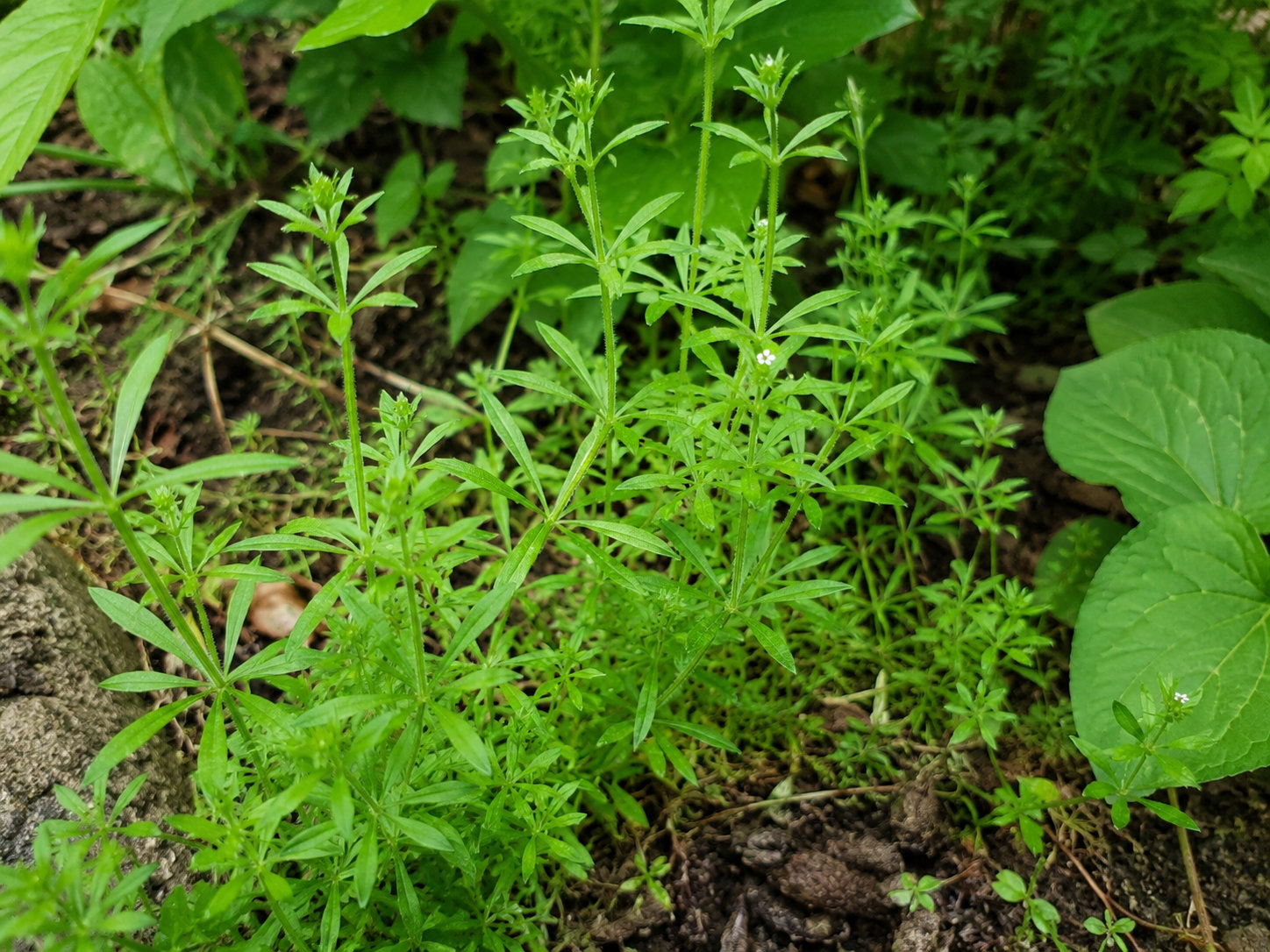
My Latest Rabbit Hole: The Lymphatic System I’ve been researching the lymphatic system lately, particularly what can start changing for women as we get older. Something is up because this past winter I put on weight and it's just not coming off. But more than the number on the scale, I started noticing puffiness. I’m someone who doesn’t usually get a lot of physical symptoms, so when my body does start doing something differently, I pay attention. And, inevitably, I start researching. My last big herbal rabbit hole was wormwood. After getting malaria while travelling in Africa a couple years ago, that particular experiment brought up some pretty significant symptoms and sent me deep into learning about parasites, herbs, and what our bodies may be trying to tell us. Now I’m onto the lymphatic system. The lymphatic system is basically one of the body’s drainage and immune systems. It helps move fluid through the body, supports immune function, and plays a role in clearing out waste. Unlike our bloodstream, it doesn’t have the heart acting as one big pump, so movement, breathing, muscle contraction, hydration, and even simple daily habits matter. And that led me to cleavers. Cleavers is one of those plants most of us have probably walked past a thousand times. It grows wild, grabs onto your clothes, and there’s a pretty good chance it’s growing somewhere on your property or somewhere nearby. Traditionally, cleavers has been used as a lymphatic herb and as a gentle diuretic. In simple terms, it’s one of those basic plants people have used for generations to help encourage fluid movement and support the body’s natural drainage systems. And I love that. I’m not looking for a miracle herb. I’m looking at the simple things we may have forgotten about - plants, movement, food, water, rest - and how they can help support systems in the body that we rarely think about until something starts feeling off. Fresh cleavers can be used while the plant is young and green, but this week I’m going to start a cleavers tea from Organic Connections to see how I feel incorporating it regularly. And to back up a bit, I actually started this whole process with ashwagandha. To me, ashwagandha feels like one of those herbs you reach for when you finally decide: okay, I’m ready to start taking responsibility for my health again. We don’t need to obsess over it, and we certainly don’t need to fear every symptom, but we do need to pay attention. Our bodies are communicating with us constantly, and I think somewhere along the way we became very good at ignoring the quieter messages. For me, the puffiness was enough to make me curious. So this week, I’m learning about lymph. I’m drinking cleavers. I’m moving more. And, as usual, I’m following the rabbit hole to see where it leads...
|
The Best of the Season
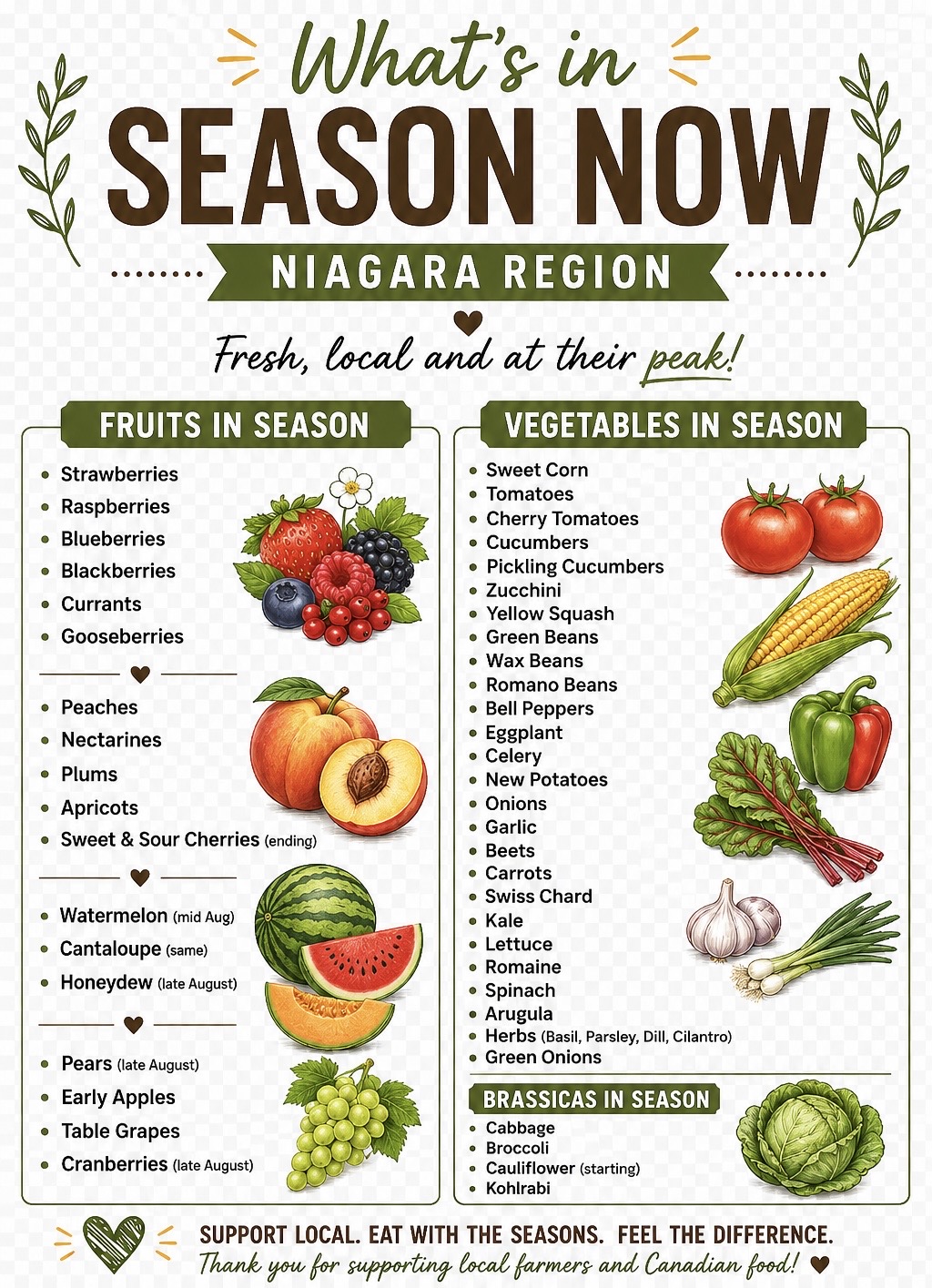
We received our first batch of local apples and are still waiting patiently for the local grapes to start rolling in! 🍎🍇
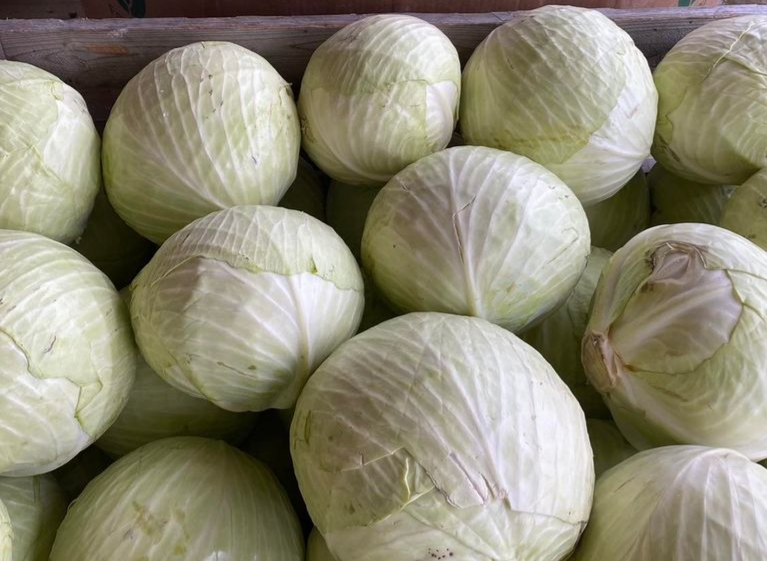
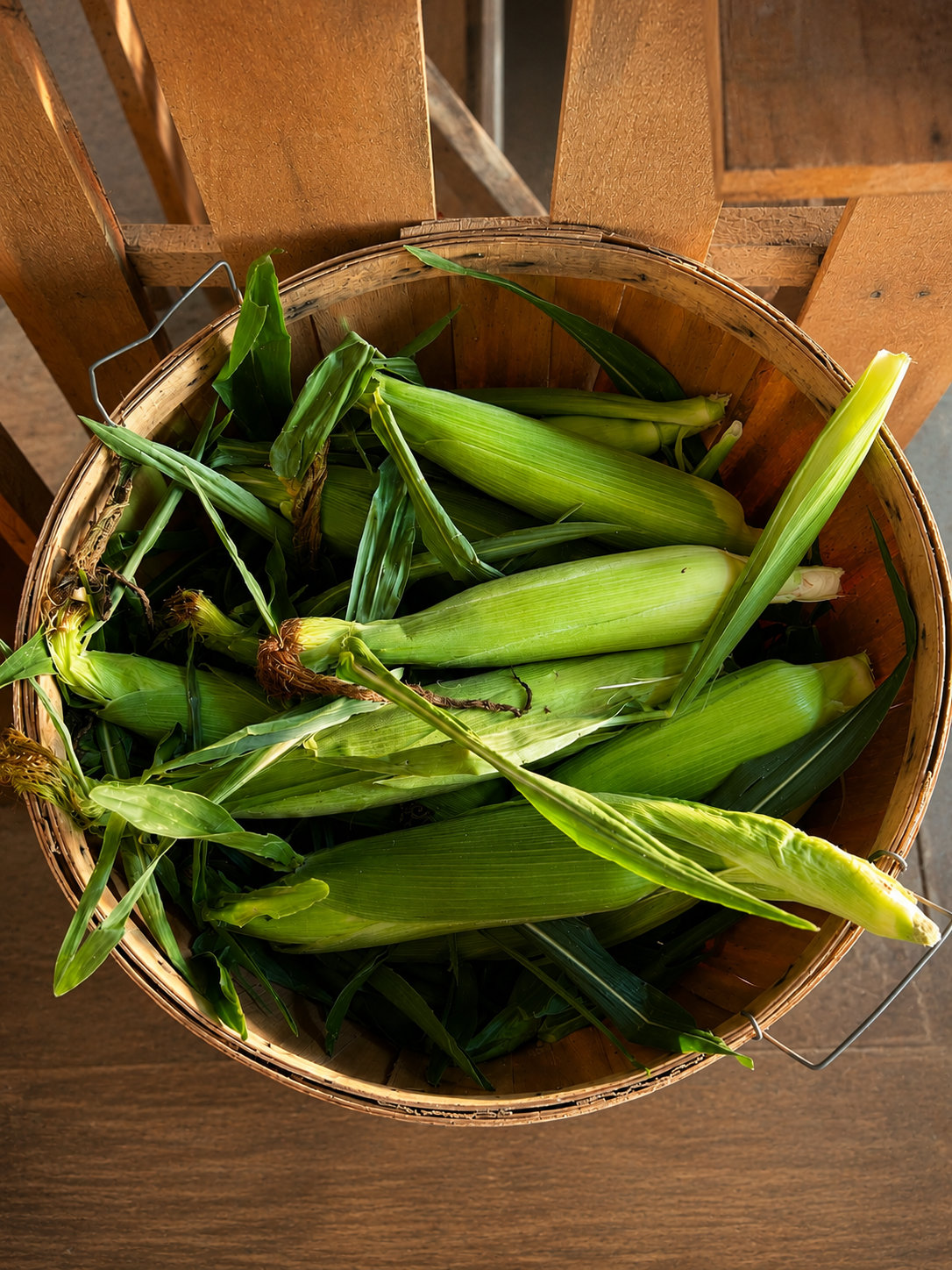
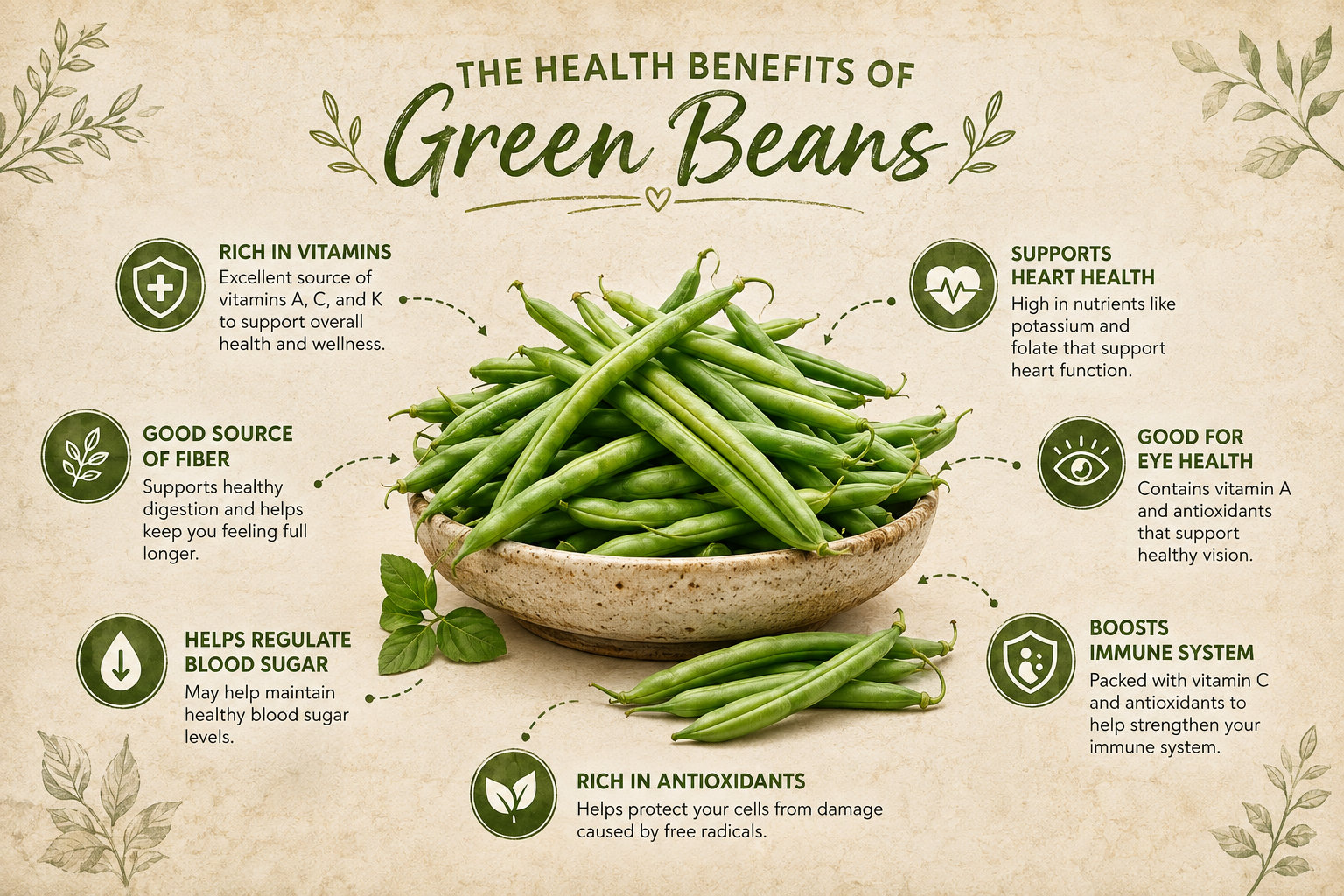
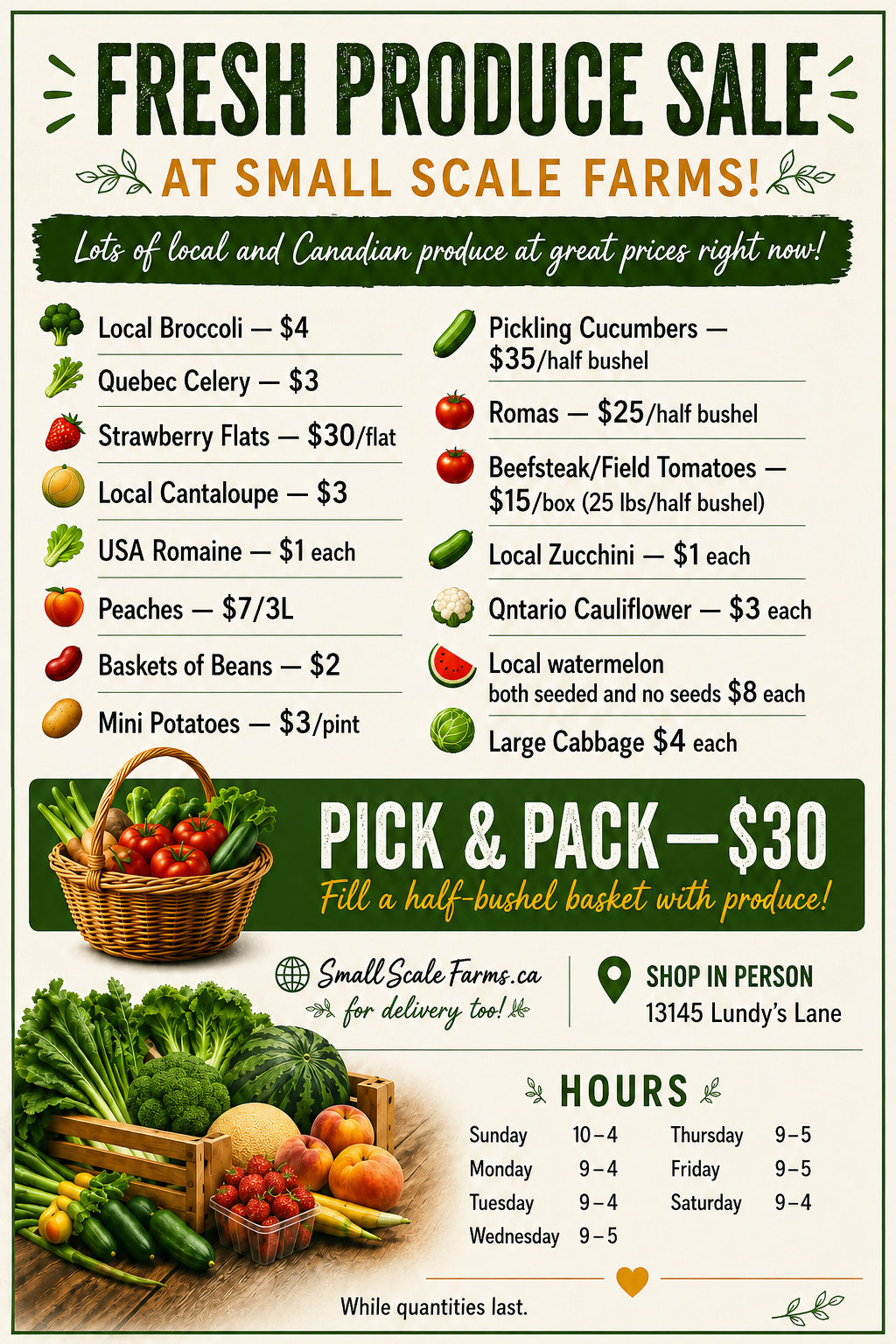
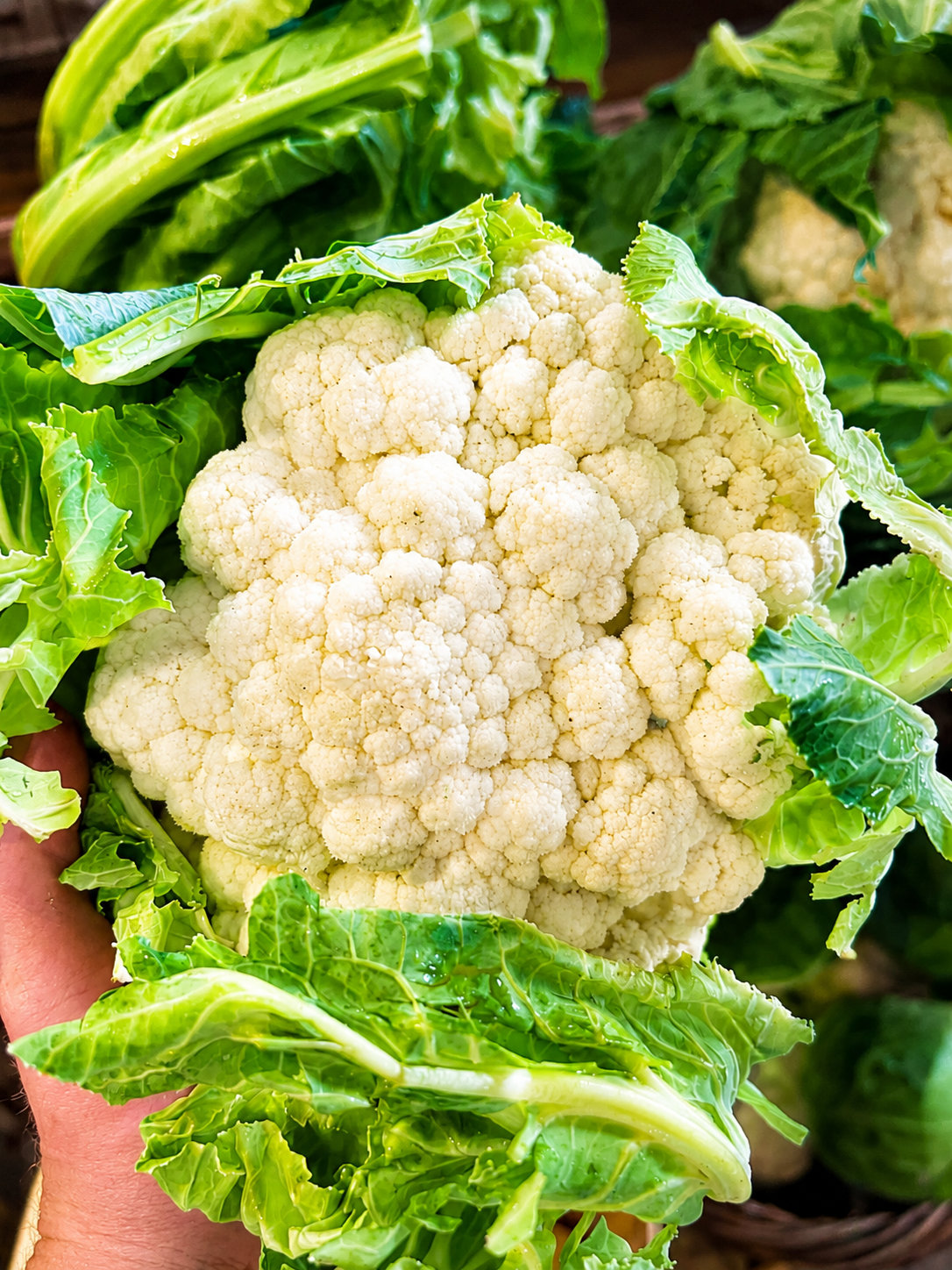
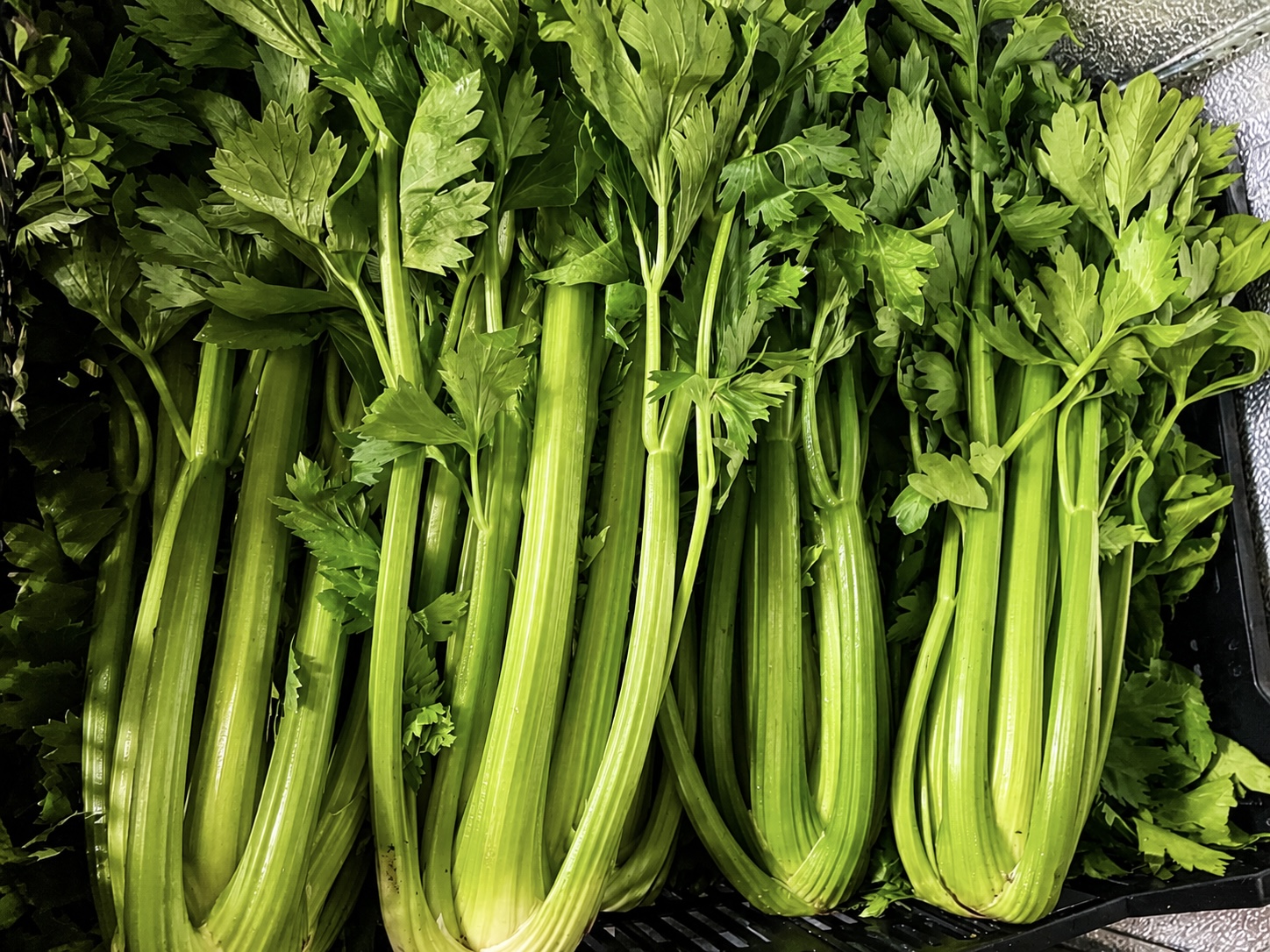
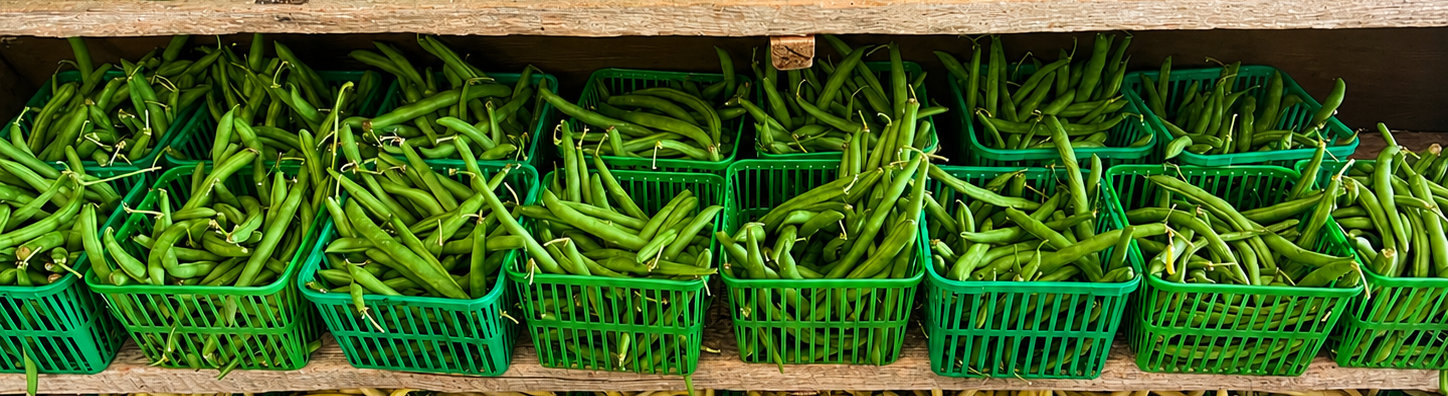
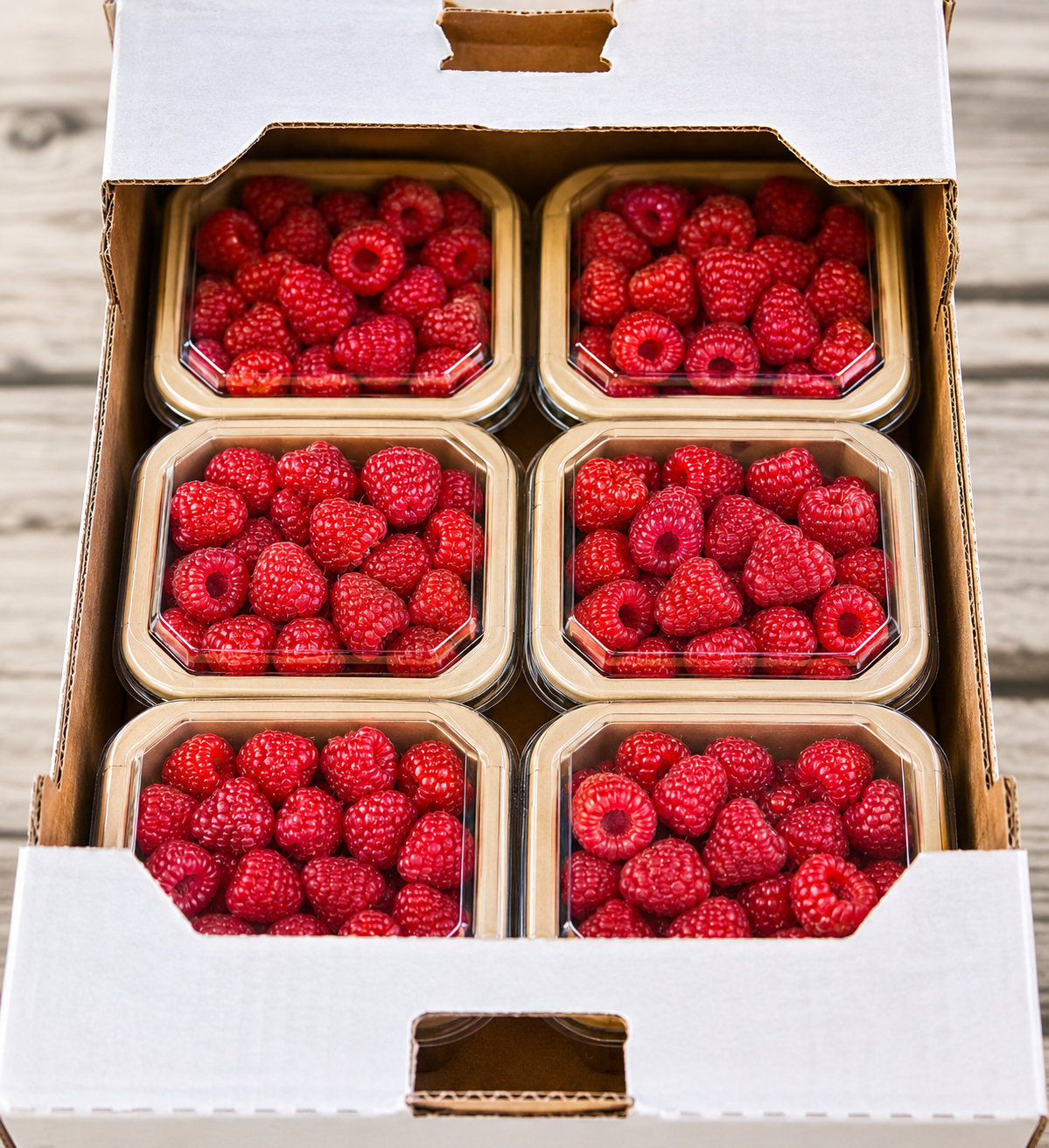
We've also got local corn, cabbage, beans, zucchini, potatoes, onions, watermelon, daikon radish, carrots, blueberries (from BC) for $2 a pint, strawberries, raspberries, mushrooms, beets, garlic, roma, san marzano tomatoes, pickling cucumbers and more! Plus all of our meat, milk, soaps, honey, eggs etc are always local...
|
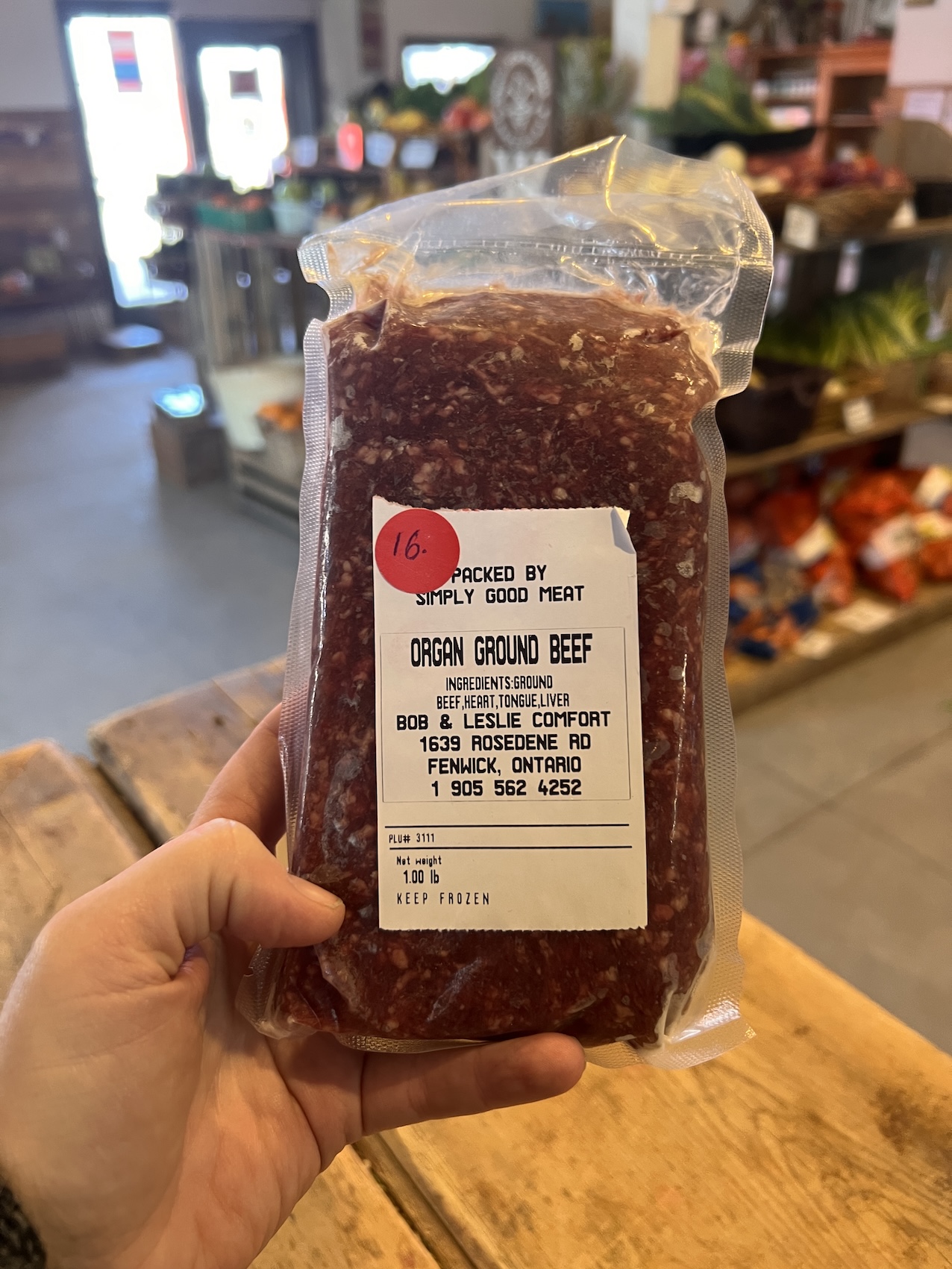
Comfort Farms Organ Ground Beef is a nutrient-dense blend made with ground beef, heart, tongue, and liver from naturally raised cattle right here in Niagara. A simple way to add more real nutrition into everyday meals without sacrificing flavour. Perfect for burgers, tacos, pasta sauce, meatballs, or chili, this blend is rich in protein, iron, B vitamins, and minerals while still tasting like traditional ground beef.
|
Real food is exactly that - food. For thousands of years, people thrived on foods that came directly from nature, not from factories.
Whole, minimally processed foods naturally contain the vitamins, minerals, healthy fats, fibre, and enzymes our bodies were designed to use together. When we replace those foods with highly processed products full of refined sugars, artificial ingredients, preservatives, and industrial oils, we’re asking our bodies to work with something they were never meant to rely on.
Choosing natural foods isn’t about perfection—it’s about giving your body the building blocks it needs to support energy, digestion, immune function, and long-term health. The closer your food is to how nature made it, the more likely it is to nourish you the way it was intended.
|
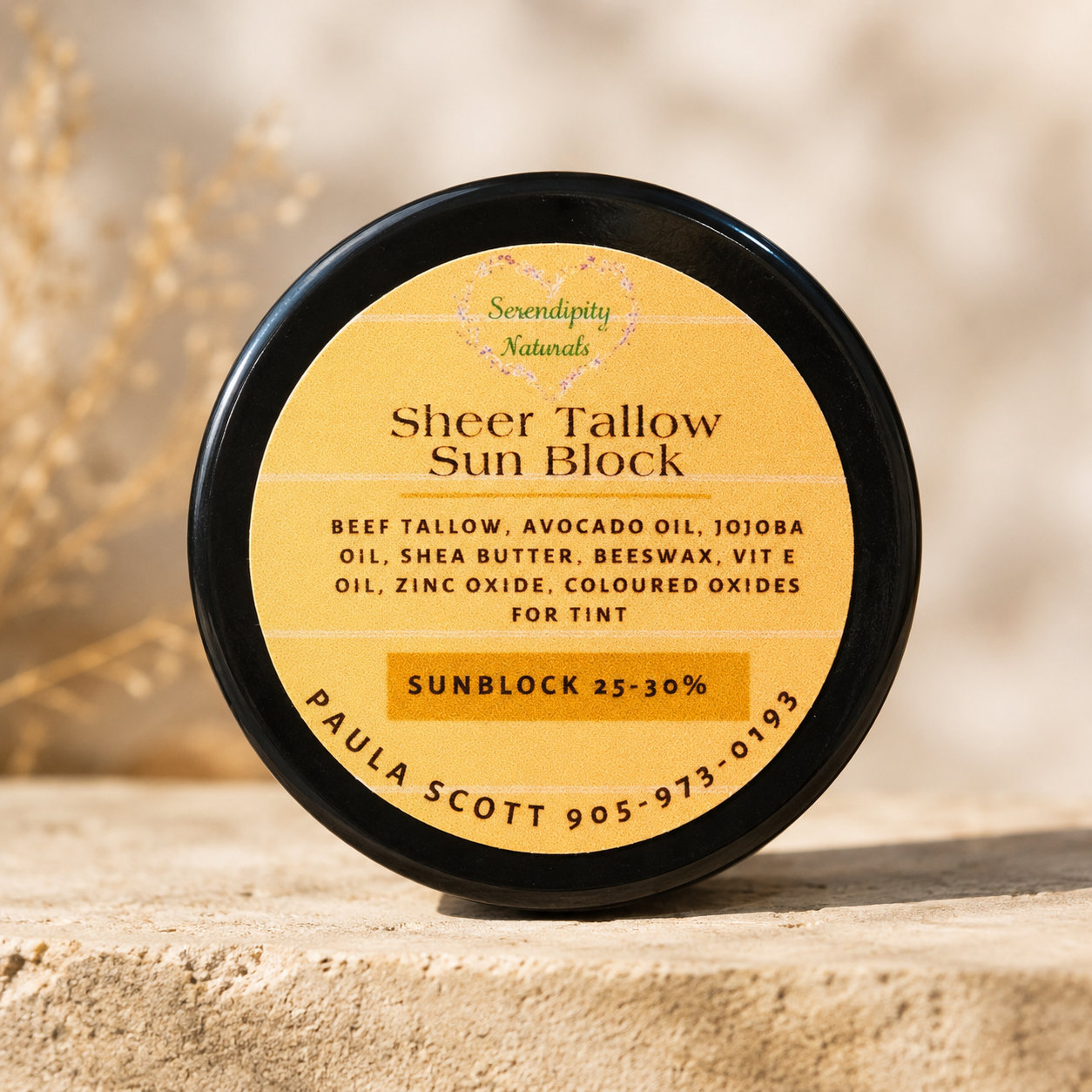
New! Sheer Tallow Sun Block! A nourishing tallow-based sun block made with beef tallow, avocado oil, jojoba oil, shea butter, beeswax, vitamin E, and non-nano zinc oxide. Naturally tinted and handcrafted in small batches to help protect and moisturize skin during time spent outdoors.
|
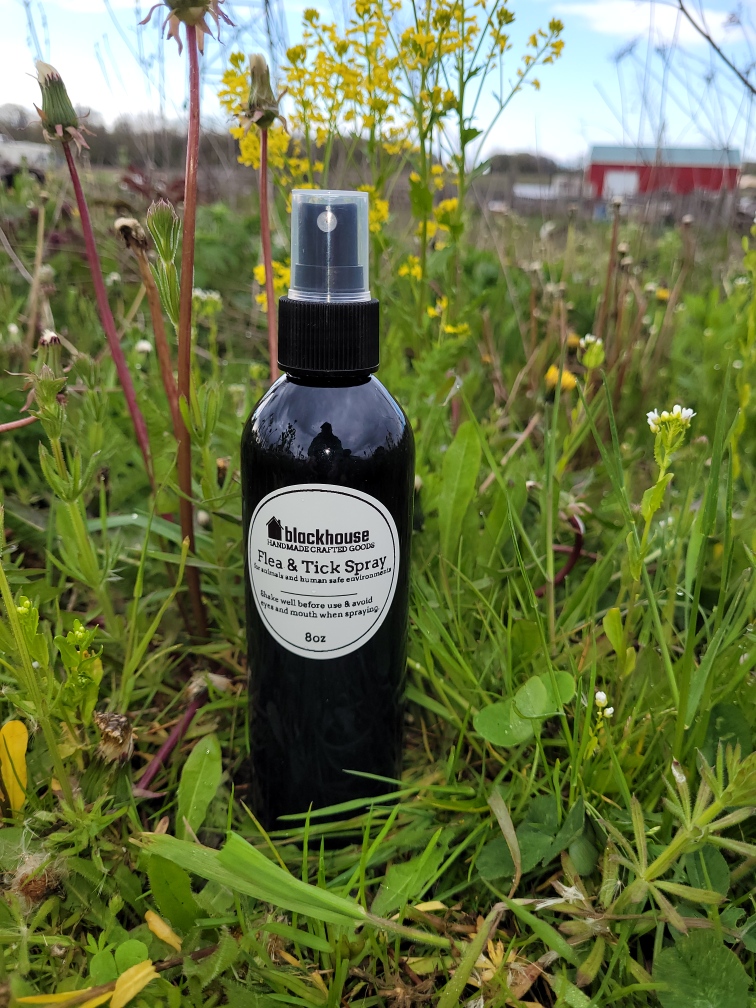
Our natural Flea + Tick Spray is made with a simple blend of geranium oil, neem oil, and apple cider vinegar to help naturally deter fleas and ticks without harsh chemicals. Geranium oil is traditionally used to repel insects, neem oil is known for its natural pest-deterring properties, and apple cider vinegar helps support a healthy coat and skin environment. Perfect for dogs, outdoor adventures, hikes, farm life, and everyday prevention during flea and tick season. Lightly mist onto your dog’s coat before heading outside, avoiding eyes and sensitive areas. Simple ingredients. Real protection. No unnecessary chemicals.
|
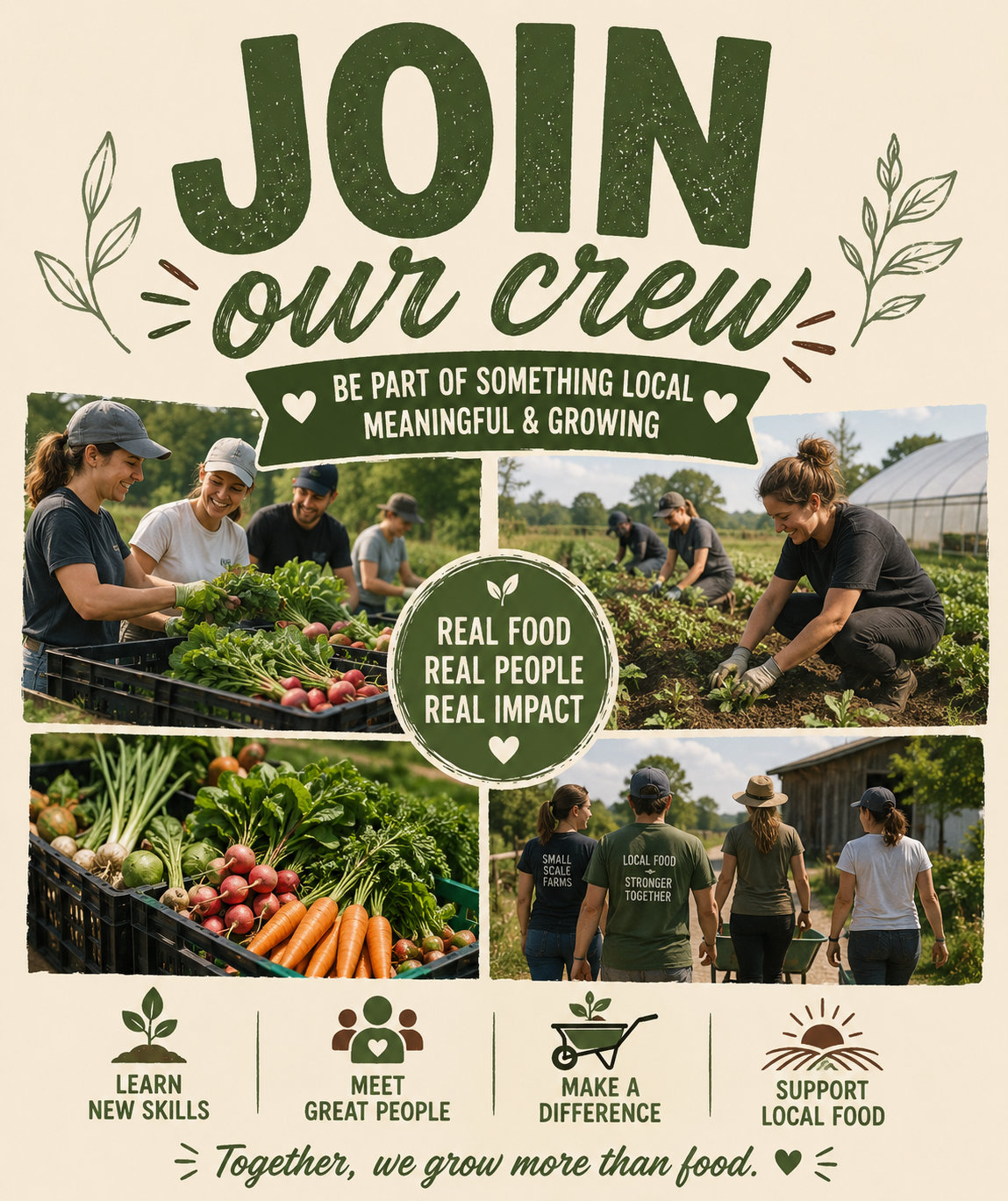
We’re quietly building something bigger than a grocery store.
A crew of people who understand that food matters, community matters, and where your food comes from is going to matter more and more in the years ahead.
Being close to the source changes things.
You learn more. You eat better. You become part of something real. And yes… being part of our world definitely has its perks. 💛
Give it a shot. It might be exactly what you need.
|
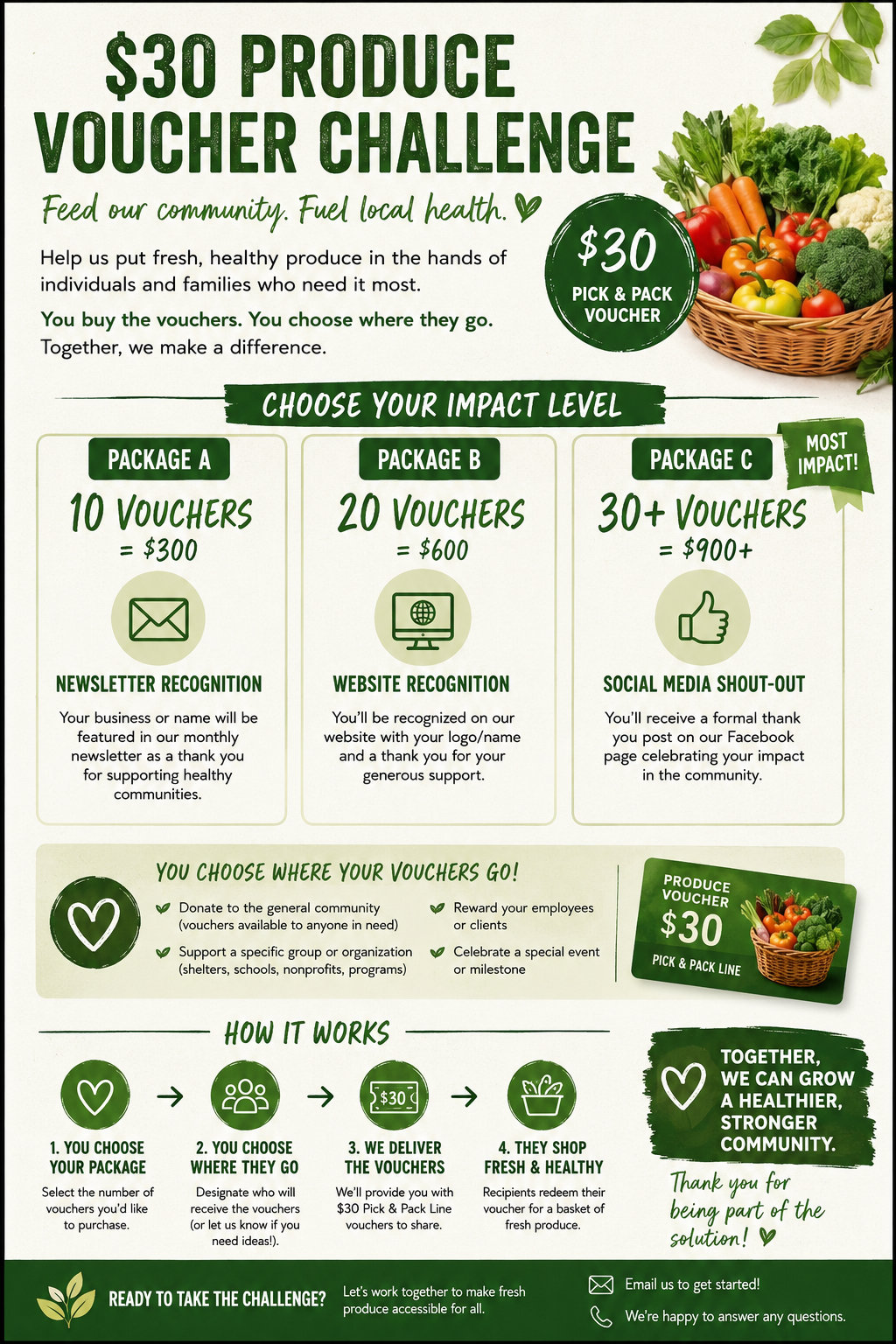
Introducing the Community Voucher Challenge!
Imagine if every local business, church, sports team, service club, and community organization committed to helping just a few families access fresh, healthy food. Together, we could make an incredible impact.
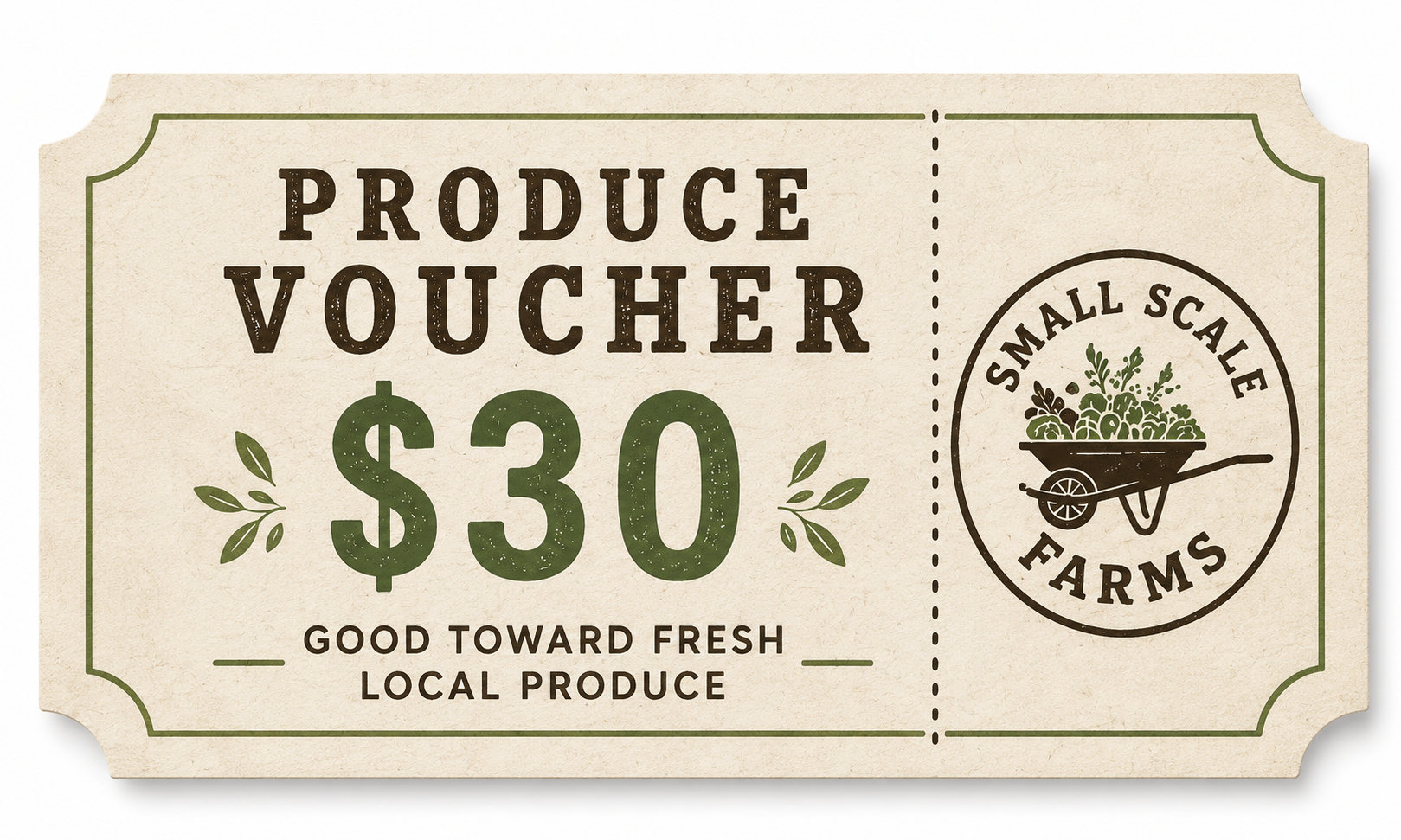
By purchasing $30 produce vouchers, you’re doing more than making a donation—you’re investing in your own community. Vouchers can be gifted to your employees, customers, volunteers, or clients, or you can choose to have them added to our Community Voucher Wall, where they’re available for people who need them most.
To recognize those who step up, we’ve created sponsorship levels with marketing benefits that grow alongside your impact. From mentions in our newsletter to recognition on our website and social media, we’ll proudly showcase the organizations helping strengthen our local food system.
Healthy food changes lives. Strong communities support one another. We invite your organization to be part of something bigger than a donation—a movement that keeps local food local while ensuring more families have access to it.
Buy local. Give local. Make a difference.
|
|
|
|
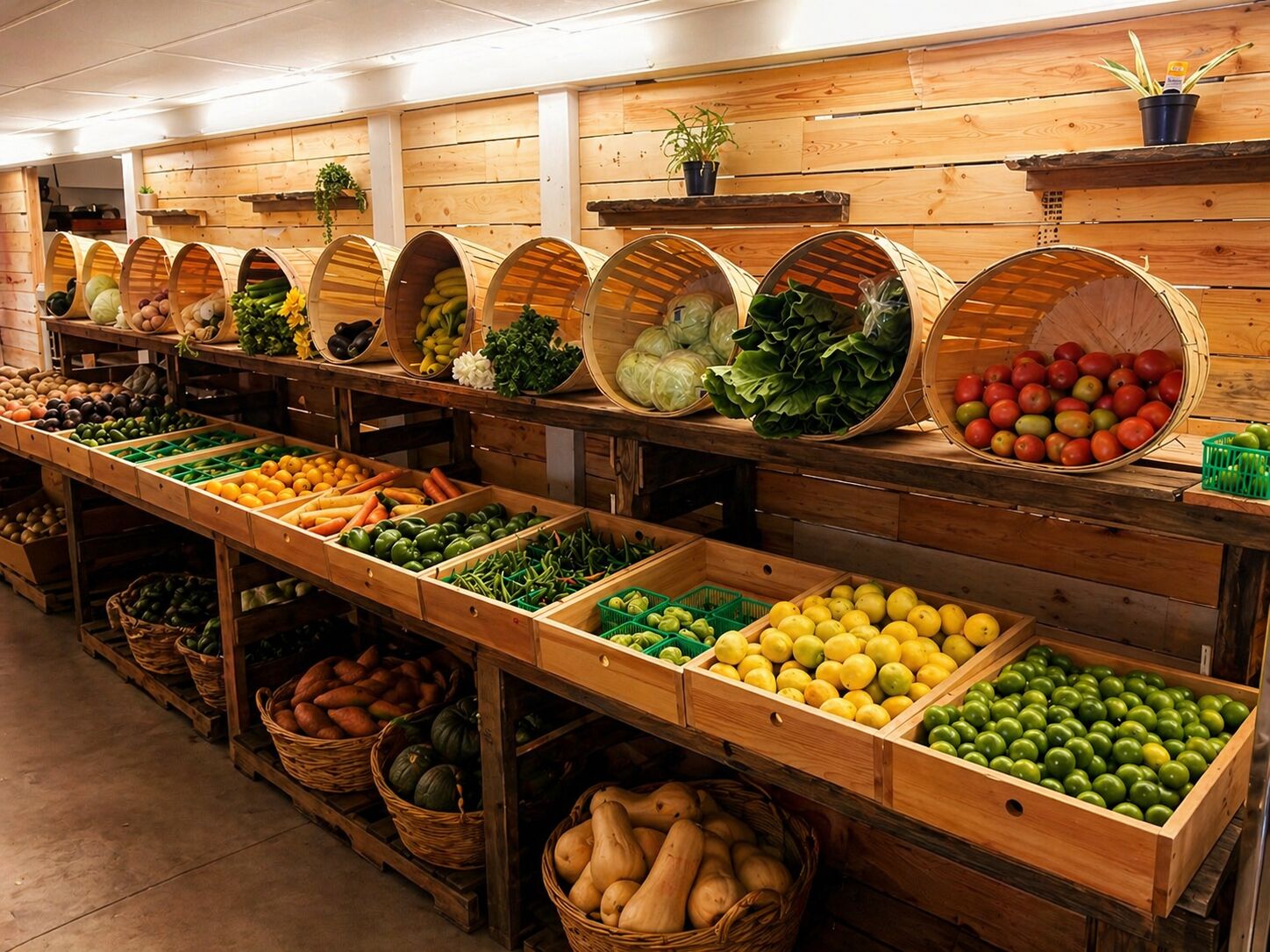
Our pick-and-pack section is the most affordable way to feed your family.
Come by and fill a half-bushel basket with whatever you'd like from this section, for just $30 - and it helps us keep food moving so nothing goes to waste and prices stay reasonable. Win win.
|
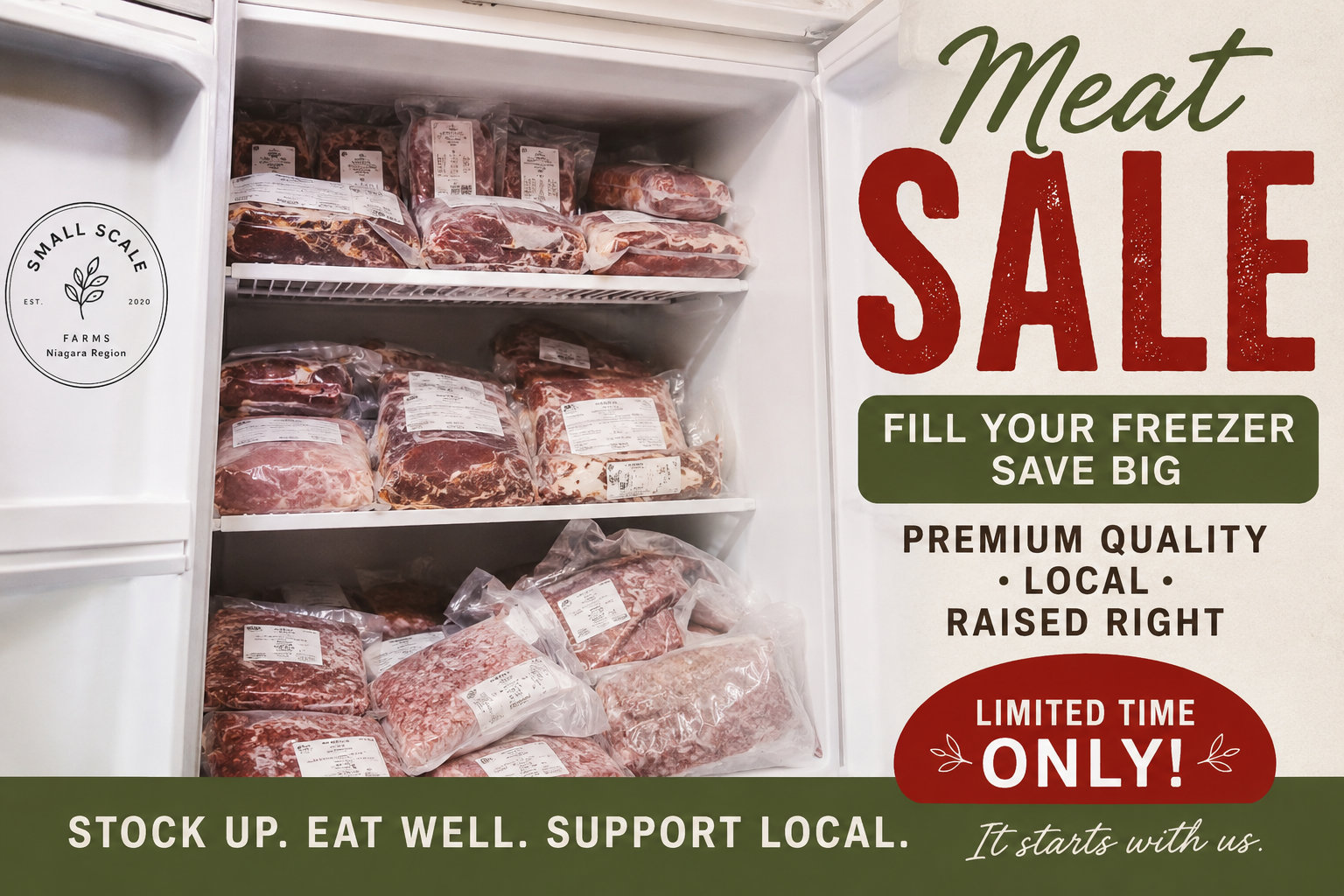
We have great deals on now at The Hub, while quantities last. Plus we have freezers full and our meat sampler bags fully stocked, so you can come try our meat and taste the difference for yourself.
We are open to the public.
|
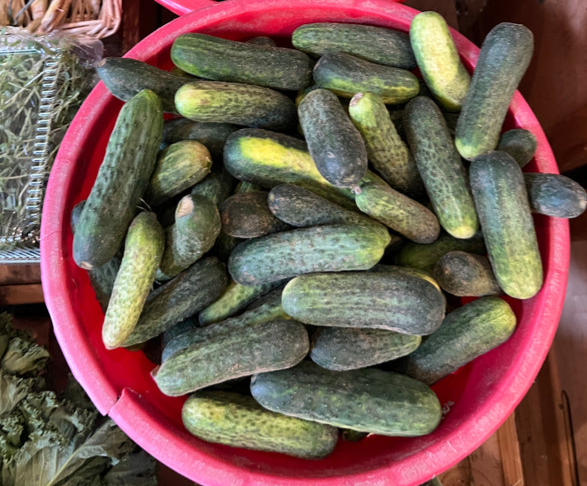
We still have pickling cucumbers!
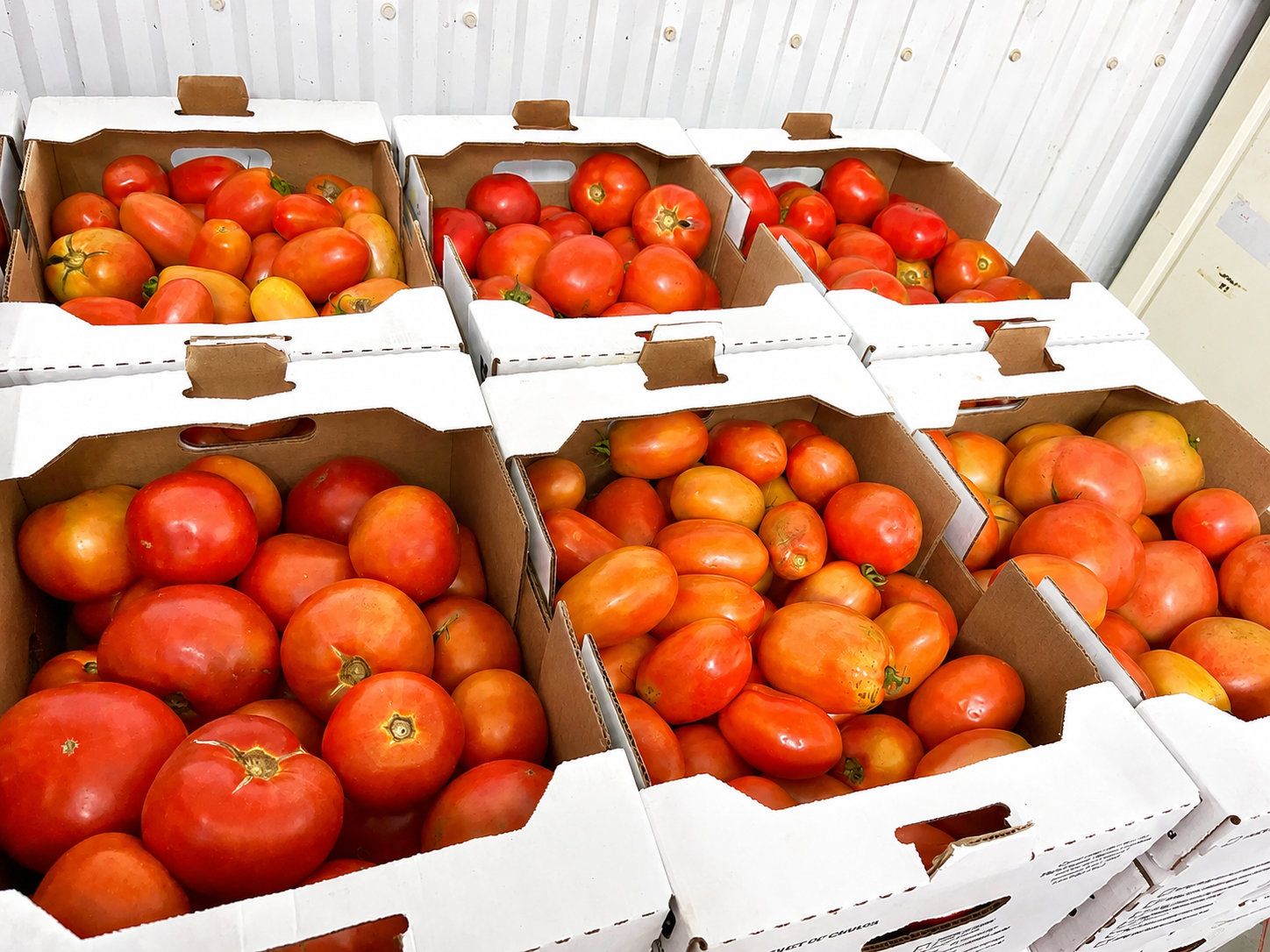
Pickling Cucumbers: $35 half bushel Roma Tomatoes $25 a half bushel Pearl Onions: $5 a basket
|
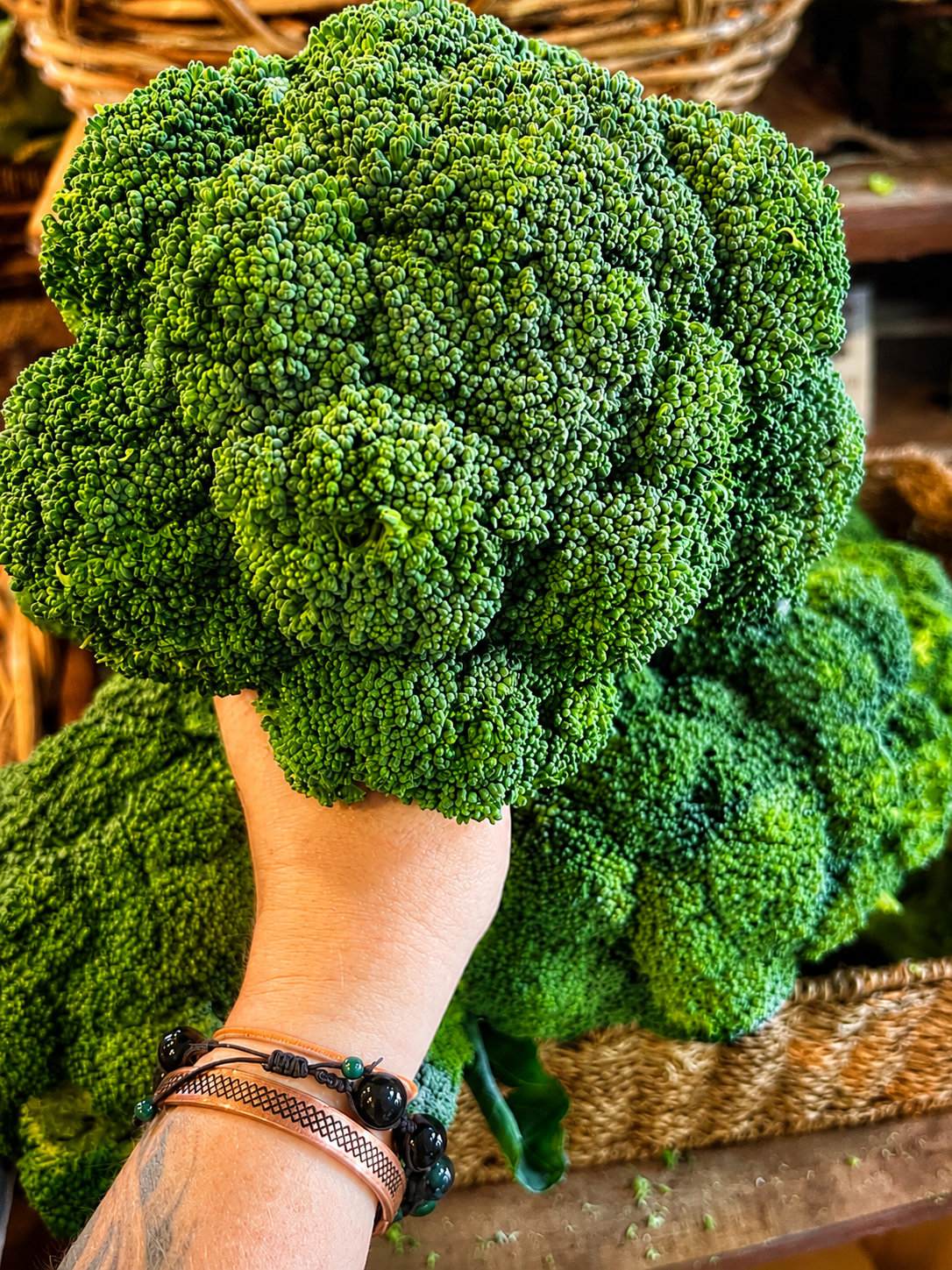
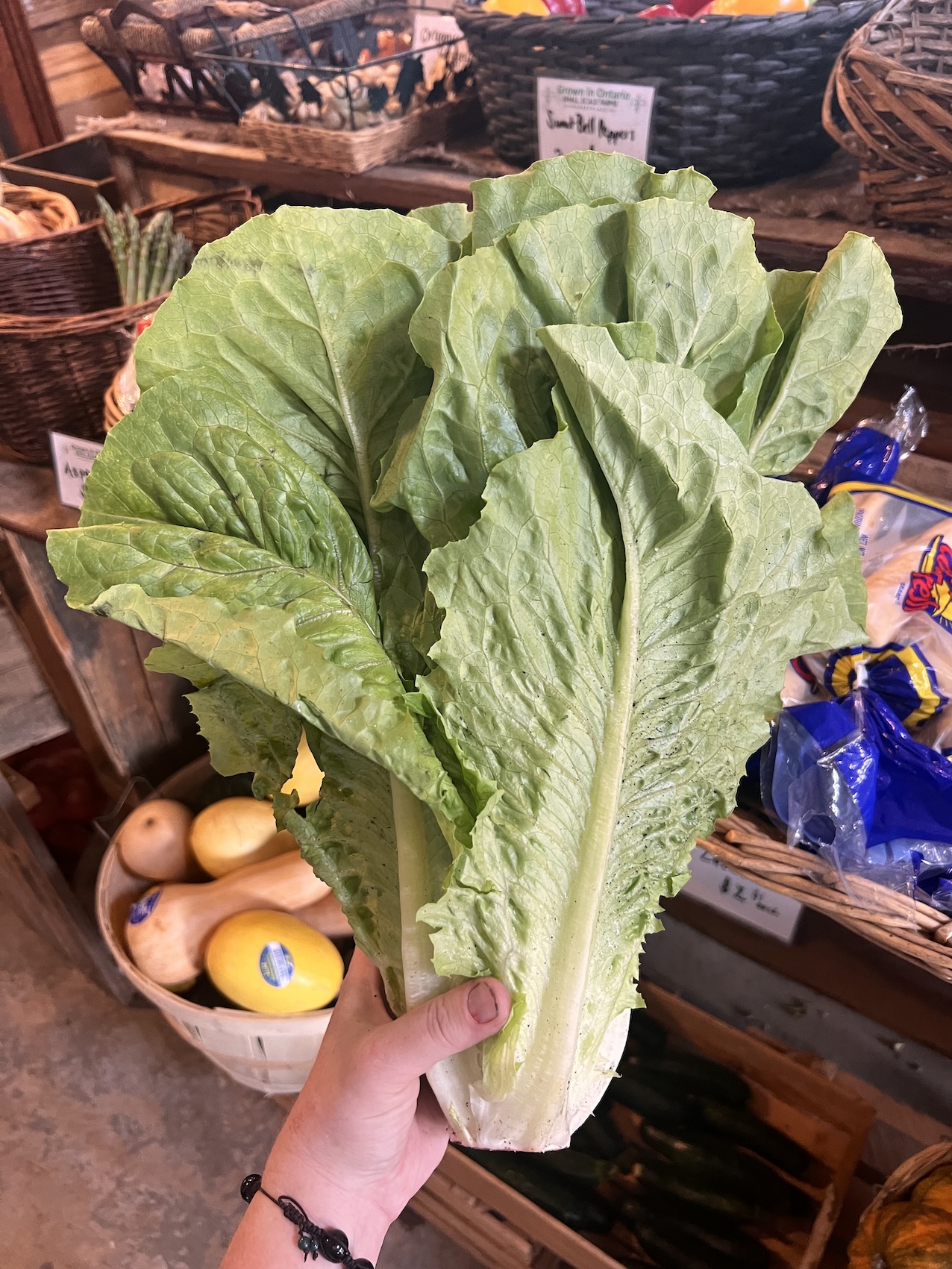
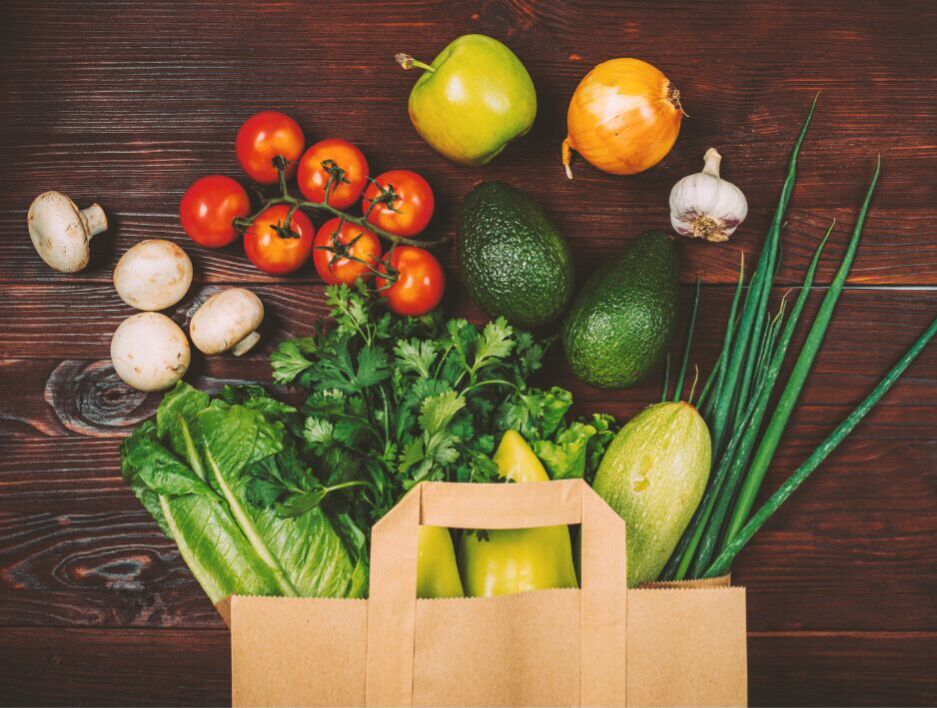
Real food, made easy. Add veggies to your order and we’ll bring it straight to your door.
Check out our vegetable section for free delivery.👇
|
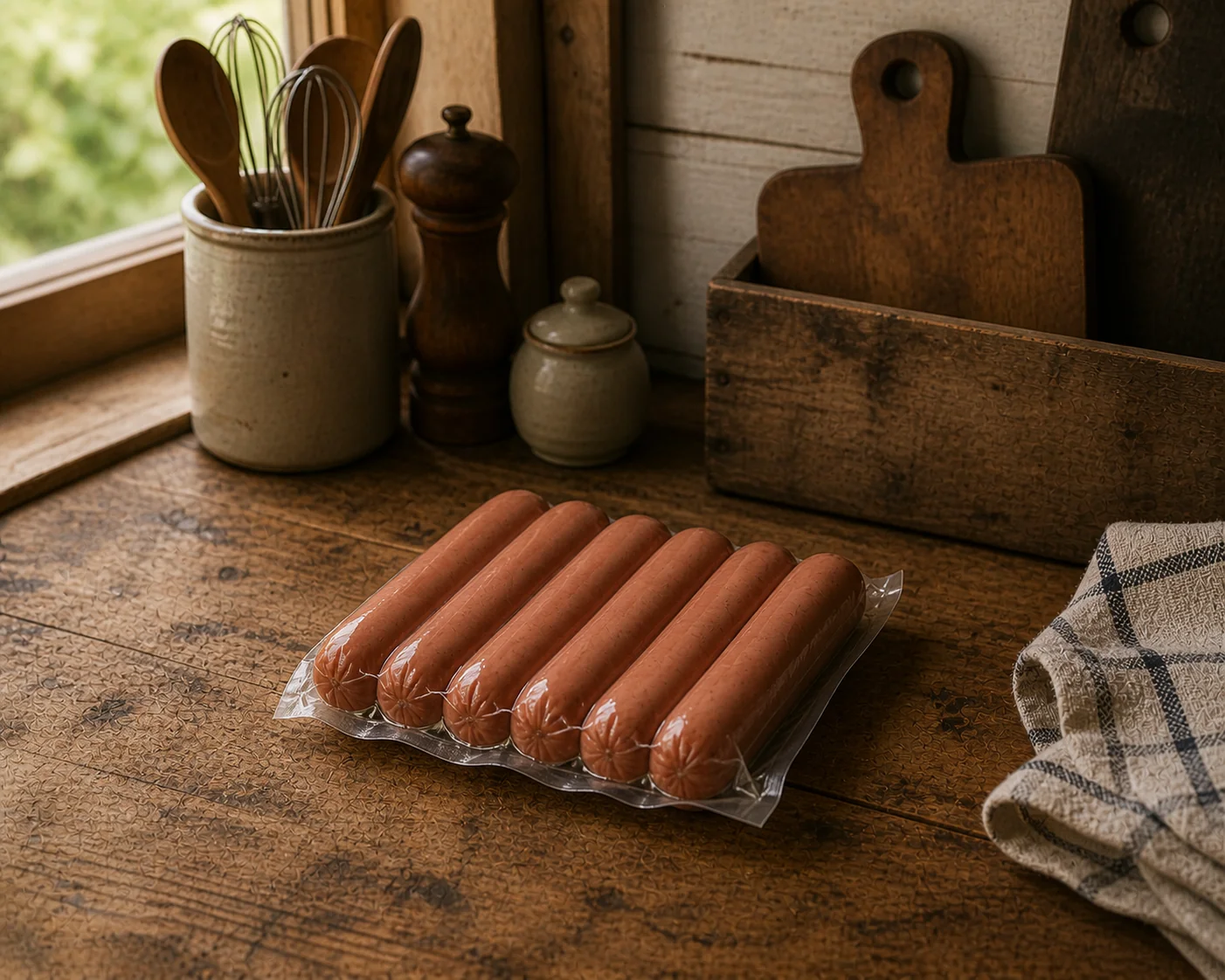
Start your morning with real food. Comfort Farms Pork Sausage Patties are made from premium Ontario-raised pork and lightly seasoned to let the quality of the meat shine. They're perfect for breakfast sandwiches, a traditional farmhouse breakfast, or alongside eggs and pancakes. Raised without antibiotics or added hormones, these patties are made with simple ingredients and are frozen for freshness, making them easy to keep on hand for a quick, hearty meal. A freezer staple you'll reach for again and again.
|
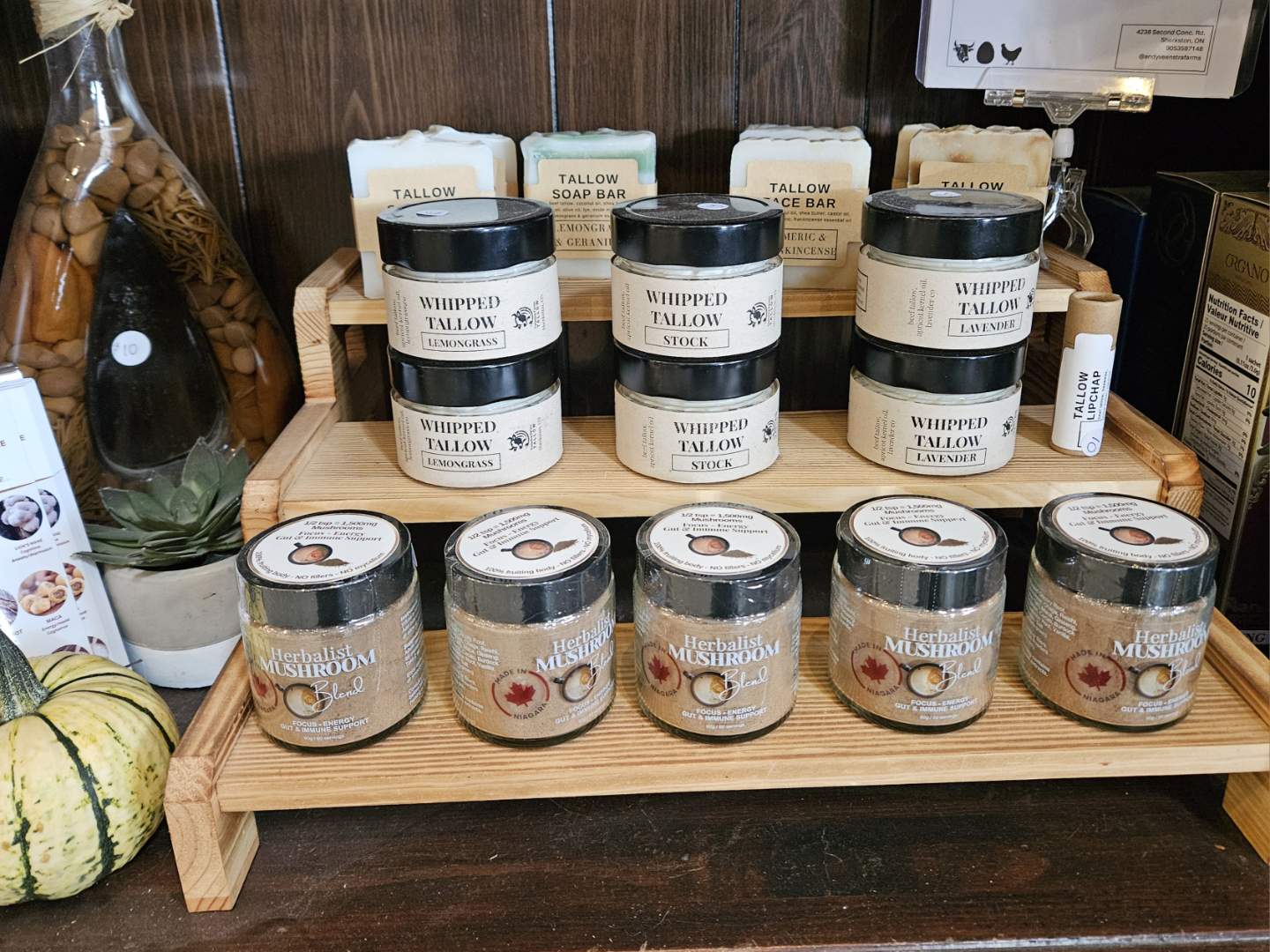
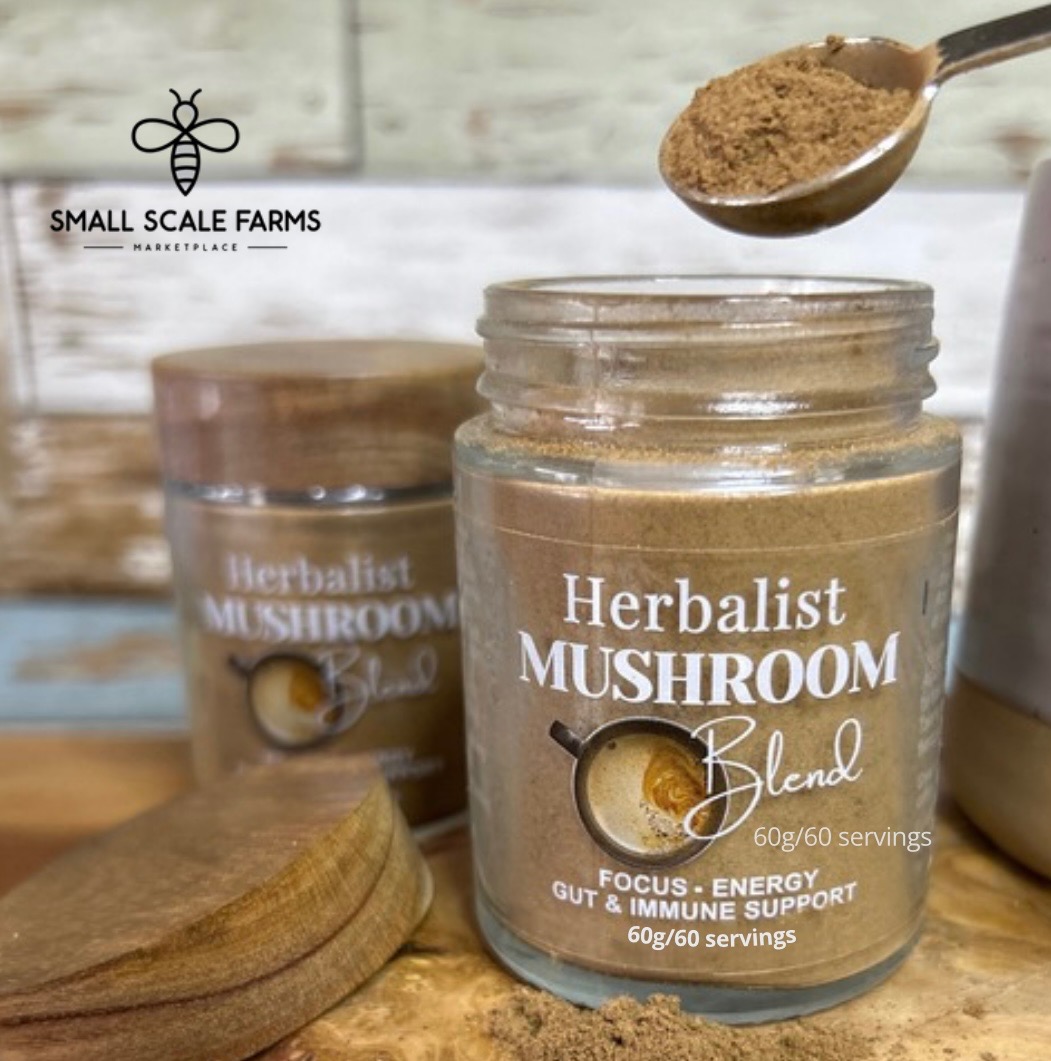
Locally made mushroom blend designed to support energy, focus, and overall wellness — an easy way to add functional mushrooms into your daily routine.
|
People talk about community as though it’s something we either have or we don’t. Something that simply exists because we live in the same town.
But community doesn’t magically appear.
And every election season, we seem to prove how little we understand that.
Suddenly there’s a villain. The homeless. The addicted. The mentally ill. The teenager causing trouble. The person on assistance. And somewhere beside them is usually a politician promising they know how to fix it.
But most of the people making those promises have never spent much time on the front lines of the problems they’re talking about.
Meanwhile, the actual fabric of community keeps quietly disappearing.
A farm closes because we decided convenience mattered more than where our food came from.
A small business disappears because we saved a few dollars shopping somewhere else.
A church closes its doors as it's congregation ages and because fewer people are willing to participate in something that asks something of them.
An elderly neighbour sits alone because everyone assumes somebody else is checking on them.
A young person struggles because there aren’t enough adults around them who know their name.
A family gets into trouble and realizes they don’t actually have three people they could call at midnight.
A farmer needs help for one afternoon and discovers there are hundreds of people who “support local,” but very few who can actually show up.
Someone becomes homeless and we ask why the government hasn’t fixed it rather than asking where the relationships broke down long before they ended up on the street.
Someone becomes addicted and we treat them as the problem instead of recognizing that addiction very often grows in places where connection, purpose, stability and belonging have already been lost.
That’s the uncomfortable part.
We can’t keep dismantling the relationships, businesses, farms, churches, neighbourhoods and gathering places that once held people together and then wonder why government programs can’t recreate community for us.
Community has to be built.
And building it takes a plan.
It means knowing the farmer who grows your food. Knowing the person who owns the shop down the road. Knowing who lives beside you. Having people you can call when your car won’t start, when your child needs somewhere safe to go, when you’re sick, when you need a meal, or when life simply becomes too heavy to carry alone.
Food is one of the easiest places to begin because food naturally brings people together. Grow something. Buy something from someone you know. Cook for somebody. Share a table. Teach someone how to preserve a harvest. Help a farmer for an afternoon. Feed a family that’s struggling.
Churches can be part of that too. So can farms. Schools. Sports teams. neighbourhood groups. Small businesses. Families.
None of those places are perfect because people aren’t perfect.
People misunderstand each other. Feelings get hurt. Egos get involved. Someone says the wrong thing. Someone doesn’t show up. Someone disappoints us.
And if our definition of community requires everybody to agree, behave perfectly and never hurt one another, we’ll never have one.
Maybe we have to start much smaller.
At ground zero.
Who do I know?
Who can I help?
Who could I ask for help?
Where does my food come from?
Where does my money go?
Who around me is doing work worth keeping alive?
And what am I personally willing to contribute in to the things I keep saying I care about?
Because maybe the future of our community isn’t going to be decided by the person standing at a podium promising to save it.
Maybe it will be decided by whether the rest of us finally decide to build one.
Locally yours,
Small Scale Farms
|
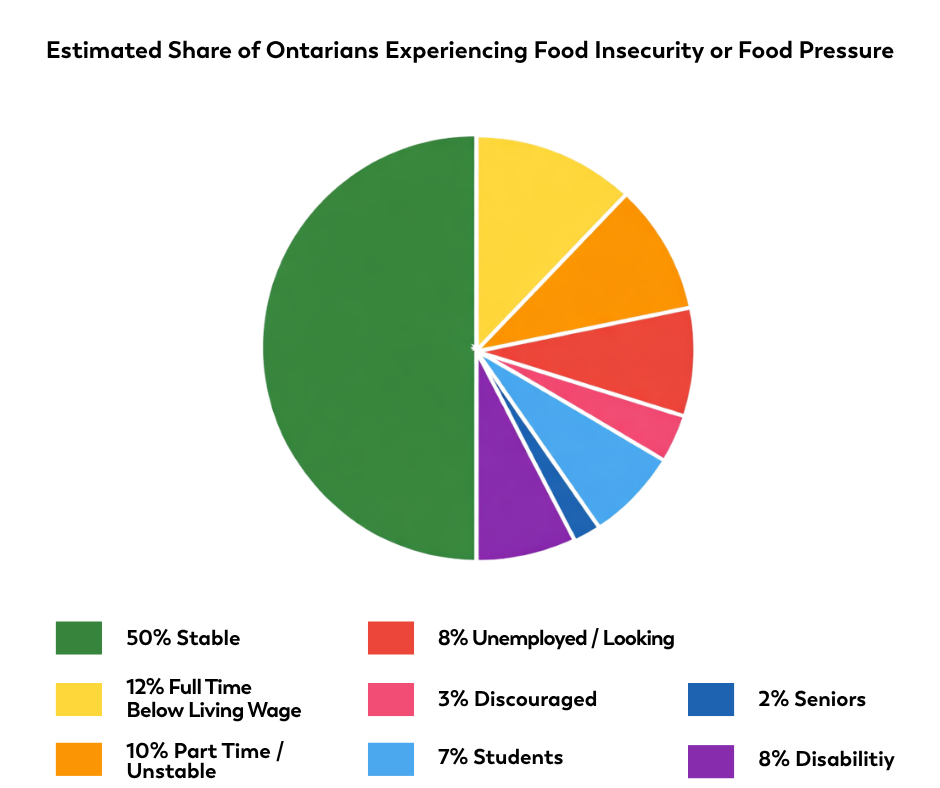
A few weeks ago, I wrote about a pie graph I had been building around poverty in Ontario.
The reason I started doing it was simple: I felt like we weren’t actually seeing the real numbers anymore.
So I started digging into the statistics myself.
How many people are on social assistance? How many are on EI? How many are working part time? How many are considered “working poor”? How many people are technically employed but still struggling to survive?
I wanted to understand the actual economic makeup of the province - not politically, not emotionally, but mathematically.
And before I even touched what we traditionally call the “middle class,” I had already landed at nearly 50% of the population living in poverty, near-poverty, or economically fragile conditions.
But after sitting with it longer, I realized I had left something major out of the equation:
The middle class.
And honestly, I shouldn’t have.
Because the more I thought about it, the more I started realizing that the middle class may actually be in deeper danger than many people officially categorized as “poor.”
Not because they necessarily make less money. But because they have more debt.
Massive debt.
Mortgages. Lines of credit. Car payments. Credit cards. HELOCs, (home equity line of credit). Consumer financing. “Affordable” monthly payments stretched over years.
For decades, credit created the illusion of stability. It allowed people to maintain a middle-class appearance long after real purchasing power began collapsing. And now the cracks are starting to show.
A recent federal report stated that nearly 50% of Canadians belong to the middle class. But that definition becomes increasingly disconnected from reality when you compare incomes against modern housing costs, food inflation, insurance, fuel, taxes, and debt servicing.
Statistics Canada data shows Ontario’s median household income sits around $91,000 before tax. On paper, that sounds solid. Years ago, that would have represented stability. Today, in many parts of Ontario, that income barely sustains a mortgage, groceries, utilities, transportation, childcare, and debt repayments.
Meanwhile, what’s considered “middle class” in Canada is often defined as households earning roughly between $57,000 and $115,000 annually.
But here’s the uncomfortable truth nobody wants to say out loud:
A household can technically be “middle class” while being one missed paycheck away from collapse.
That isn’t stability. That’s leveraged survival.
And we’re starting to see the cultural indicators everywhere.
Travel is one of the clearest examples because vacations are often the first thing families cut when economic pressure rises. Recent reporting shows Canadian travel demand continues to weaken significantly. Statistics Canada reported Canadian return trips from the U.S. fell again in early 2026, continuing a long downward trend. Other reporting found Canadian visits to U.S. metropolitan areas dropped as much as 42% year-over-year.
At the same time, surveys show many Canadians are avoiding travel altogether because they simply cannot justify the expense anymore.
That matters because the middle class has historically been the economic engine of discretionary spending.
When the middle class stops traveling, stops renovating, stops eating out, stops supporting local businesses, and starts pulling back in fear, the ripple effects move through the entire economy.
And I think that’s the stage we’re entering now.
What concerns me most is that many people still believe poverty looks like homelessness or visible desperation. But modern poverty often looks very different.
It looks like families carrying enormous debt while appearing “fine.” Two-income households unable to get ahead. People avoiding grocery stores because prices trigger anxiety. Parents quietly skipping meals. Adults with decent jobs unable to buy homes. Households financing basic necessities. People one interest-rate increase away from disaster.
In many ways, the middle class became the buffer zone holding the entire economic structure together. And if that buffer collapses, society changes very quickly — not just economically, but socially, psychologically, and politically.
Because once people realize they followed all the rules and still can’t build security, trust in the system starts to erode.
That’s why I keep coming back to local systems. Local food. Local production. Local relationships. Local resilience.
Because the larger the systems become, the more fragile ordinary people become inside them.
And maybe that’s the real story unfolding beneath the headlines right now: not simply that poverty is growing, but that the line between “middle class” and “poverty” is disappearing altogether.
Locally yours,
Small Scale Farms
|
|
|
|
|
|
Small Produce Bag Sept 2nd and 3rd
|
| |
| |
| |
|
|
|
|
|
|
|
|