BLOG 5: THE BUSINESS OF KEEPING PEOPLE DEPENDENT- Who Profits from our Problems? Blog 5 wraps up this entire conversation up with one question. What if the people with the power to fix our biggest problems are the very people who benefit from the systems that keep those problems alive? Think about that. We’ve spent decades building institutions, programs and entire industries around poverty, sickness, addiction, mental illness and food insecurity. And despite spending extraordinary amounts of money, millions of Canadians are still struggling. Look at the numbers.
- $399 billion. Canada’s estimated total healthcare spending in 2025, including public and private spending. Approximately $9,626 per person.
- $43.7 billion. Estimated spending on prescription medications in 2024.
- More than 5 million Canadians met the criteria for a mood, anxiety or substance use disorder in 2022.
- 41% of adults with a diagnosed mental health disorder reported partially or completely unmet mental healthcare needs in 2024.
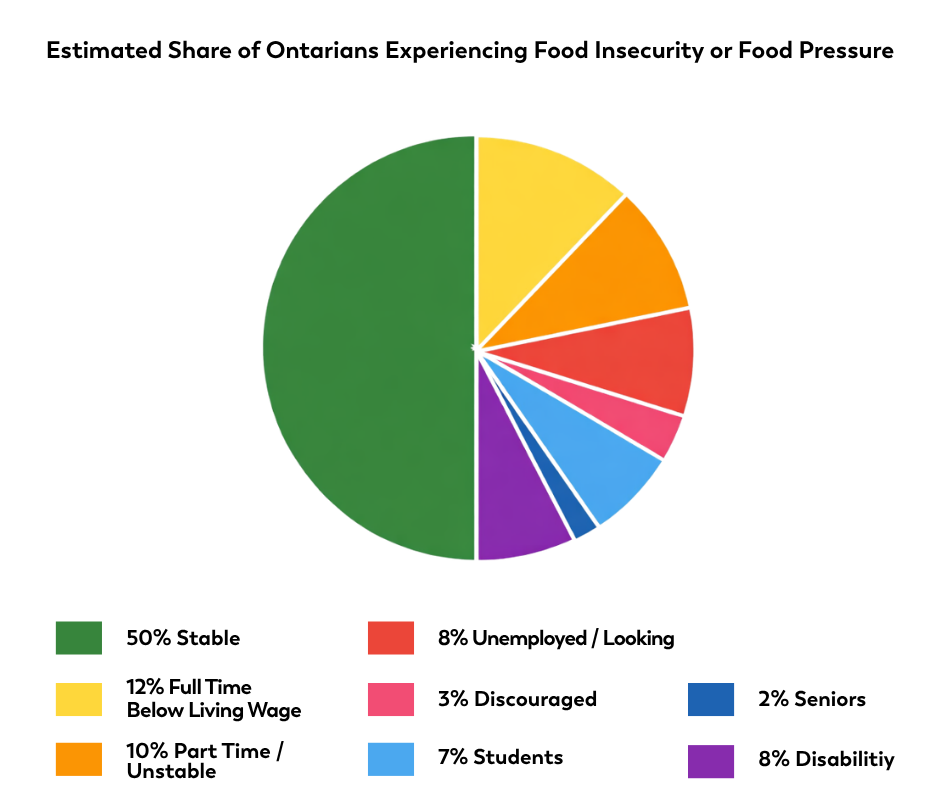
- 9.8 million Canadians lived in food-insecure households in 2024.
- 5,608 opioid-related deaths were reported in 2025. Approximately 15 people every day.
- Only 54% of Canadians reported a strong sense of belonging to their community in late 2024.
Read those numbers again. And then think about how much worse it's gotten in the last couple years. And how much worse it's going to get... We have publicly funded healthcare, billions spent on pharmaceutical drugs, food banks, government assistance programs, mental health initiatives, addiction services and endless funding announcements. At what point do we stop asking how much more money we need to spend and start asking why we’re getting these results? WHO BENEFITS FROM KEEPING THINGS THE WAY THEY ARE? The people deciding how public money gets spent, which organizations receive funding and how our healthcare and food systems operate are generally not the people standing in food bank lines. They’re politicians, senior administrators, corporate executives and institutional leaders. People who often have the financial security and influence that so many Canadians lack. So why do we assume those who have benefited most from the current system are the best people to redesign it? I’m not suggesting everyone in power is corrupt. I’m questioning the incentives. What happens when managing a problem becomes more financially rewarding than permanently solving it? If fewer people needed food banks, fewer people became chronically ill and more communities could provide for themselves, some institutions would need to fundamentally change. Shouldn’t that be the goal? ARE WE ACTUALLY BUILDING HEALTHIER PEOPLE? I’m not against doctors or medication. Modern medicine saves lives, and necessary social supports protect vulnerable people. But we spend billions treating illness while overlooking the foundations of health. Nutrition. Meaningful work. Human connection. Physical activity. Purpose. Community. We talk endlessly about depression, anxiety, addiction and chronic disease, yet how often do we discuss the environments contributing to these struggles? Highly processed food, isolation, financial insecurity and a growing disconnection from the natural world are all part of a much bigger conversation. We cannot medicate our way out of every social problem. Healthcare should help people get well. But shouldn’t a healthy society also help people stay well? THE FOOD SYSTEM IS THE FOUNDATION OF A HEALTHY COMMUNITY A resilient food system isn’t just about growing vegetables or raising livestock. It’s about livelihoods, relationships, small businesses, meaningful work and money circulating within communities. Food is something every single person needs, every single day. So why isn’t rebuilding our food system central to conversations about healthcare, economic stability and community resilience? Imagine 100 new small farms, with reliable markets for what they produce. Imagine the jobs, relationships, businesses and food security that could create. Imagine communities capable of feeding themselves when centralized systems are disrupted. That’s healthcare, economic development, food security and community building - working together. And we could start building it right now. AND NOW WE THINK UNIVERSAL BASIC INCOME WILL BE THE ANSWER? I understand the appeal. People are struggling, and families need relief. But what happens when more people become dependent on centralized payments to meet their basic needs? What happens during a prolonged banking disruption, a cyberattack or a breakdown in food distribution? Money cannot feed you if there’s no functioning food supply to purchase from. And income alone cannot replace purpose, community or the ability to produce something of value. I believe in helping people who need help. But there’s a difference between providing a safety net and building a society where people have fewer opportunities to become independent. Why are we talking about guaranteeing everyone an income before we’ve figured out how to give more people the opportunity to produce, participate and prosper? WE DON’T HAVE A SHORTAGE OF PEOPLE TALKING ABOUT THE PROBLEMS The healthcare crisis. The addiction crisis. The mental health crisis. The housing crisis. The food affordability crisis. Different problems, different government departments, different organizations and billions of dollars being spent. But what if these problems are connected? Poor nutrition, isolation, financial insecurity, weakened food systems and the loss of community connections can reinforce one another. Yet we continue addressing them separately. What if we started rebuilding the foundations of healthy communities instead? We don’t need another generation learning how to survive inside a struggling system. We need to create opportunities for people to build something better. I don’t care who you voted for. This isn’t about left versus right. It’s about recognizing the power we already have. We can grow food, support producers, build businesses, create distribution networks, strengthen relationships and help our neighbours. And we can start measuring success by how many people become healthier, more secure, more connected and less dependent on emergency assistance. Because the goal shouldn’t be to build a bigger system for managing people in crisis. It should be to build a society where fewer people reach that crisis in the first place. And we don’t need to wait for someone else to make that happen. The power to change our future has always been in our hands, and it’s time we started using it.
Sources
- CIHI: Healthcare Spending in Canada
- PMPRB: Prescription Drug Spending
- Statistics Canada: Mental Health
- CIHI: Unmet Mental Health Needs
- Statistics Canada: Food Insecurity
- Public Health Agency: Opioid Deaths
- Public Health Agency: Community Well-Being
|